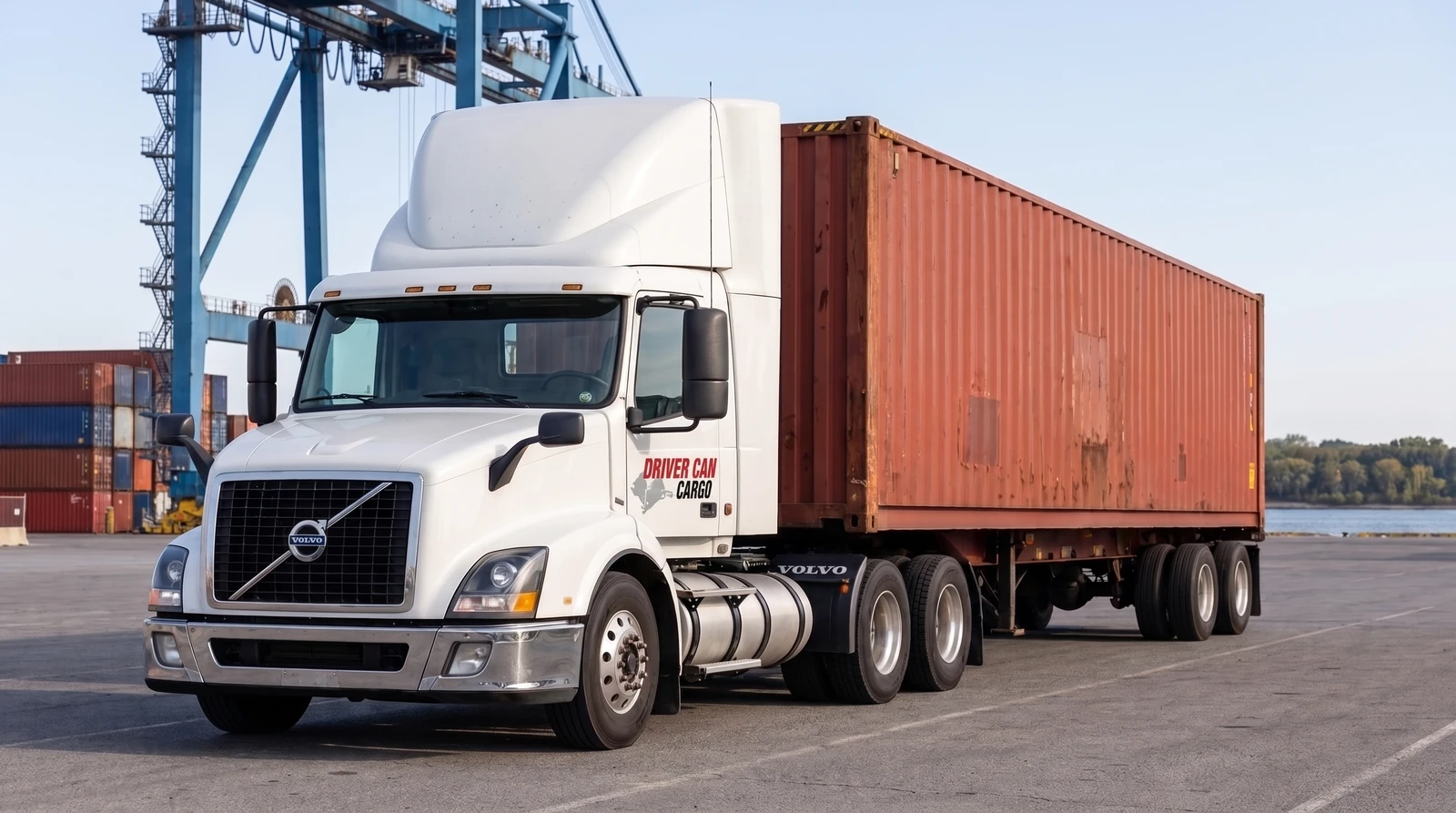
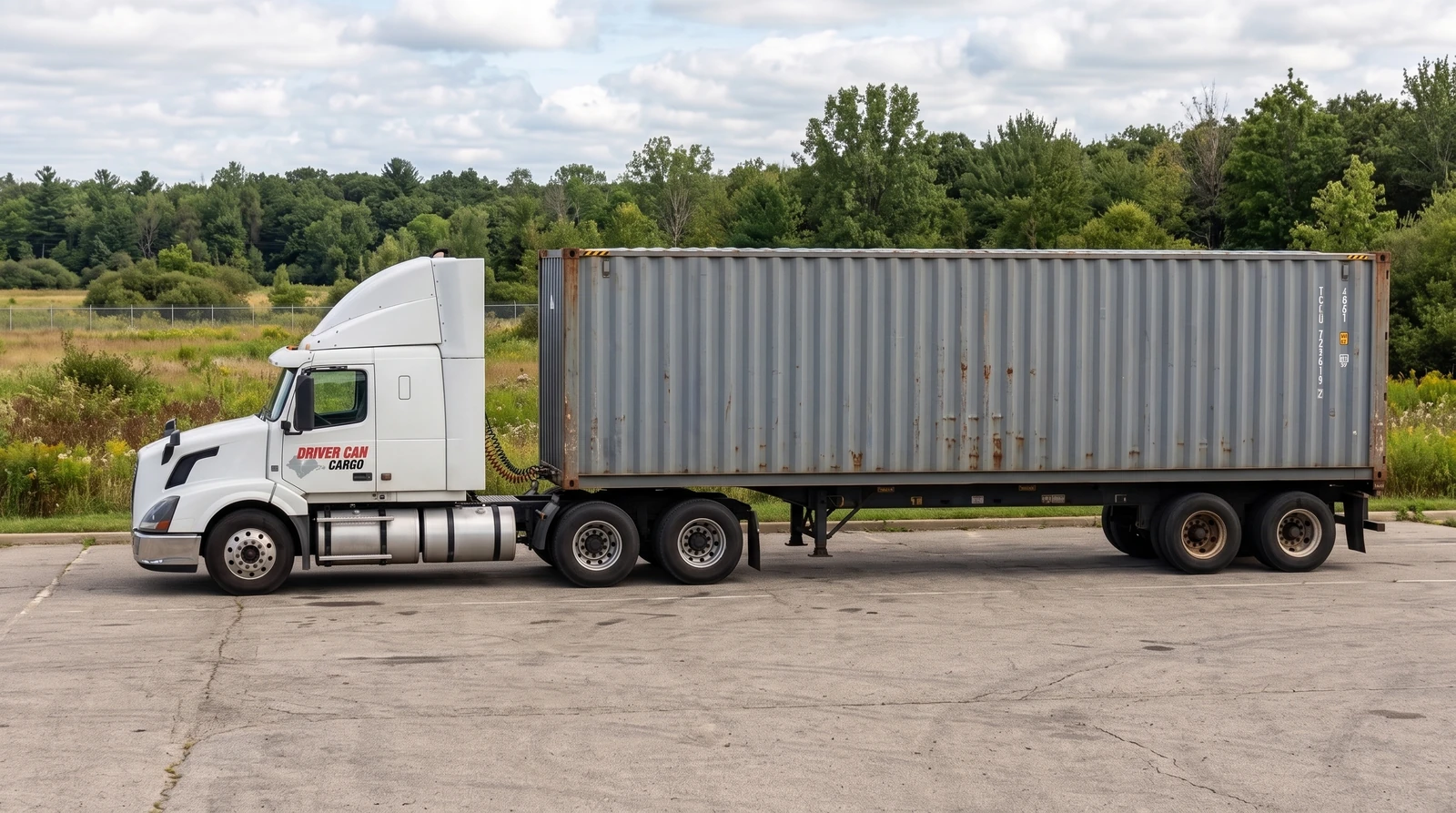
A warehouse move needs a sequence, not just transport capacity. Start by deciding what the destination must receive first: operating supplies, fast-moving stock or equipment needed to set up receiving. Loading in the wrong order can delay the restart even when every shipment arrives intact.
Map locations before dispatch
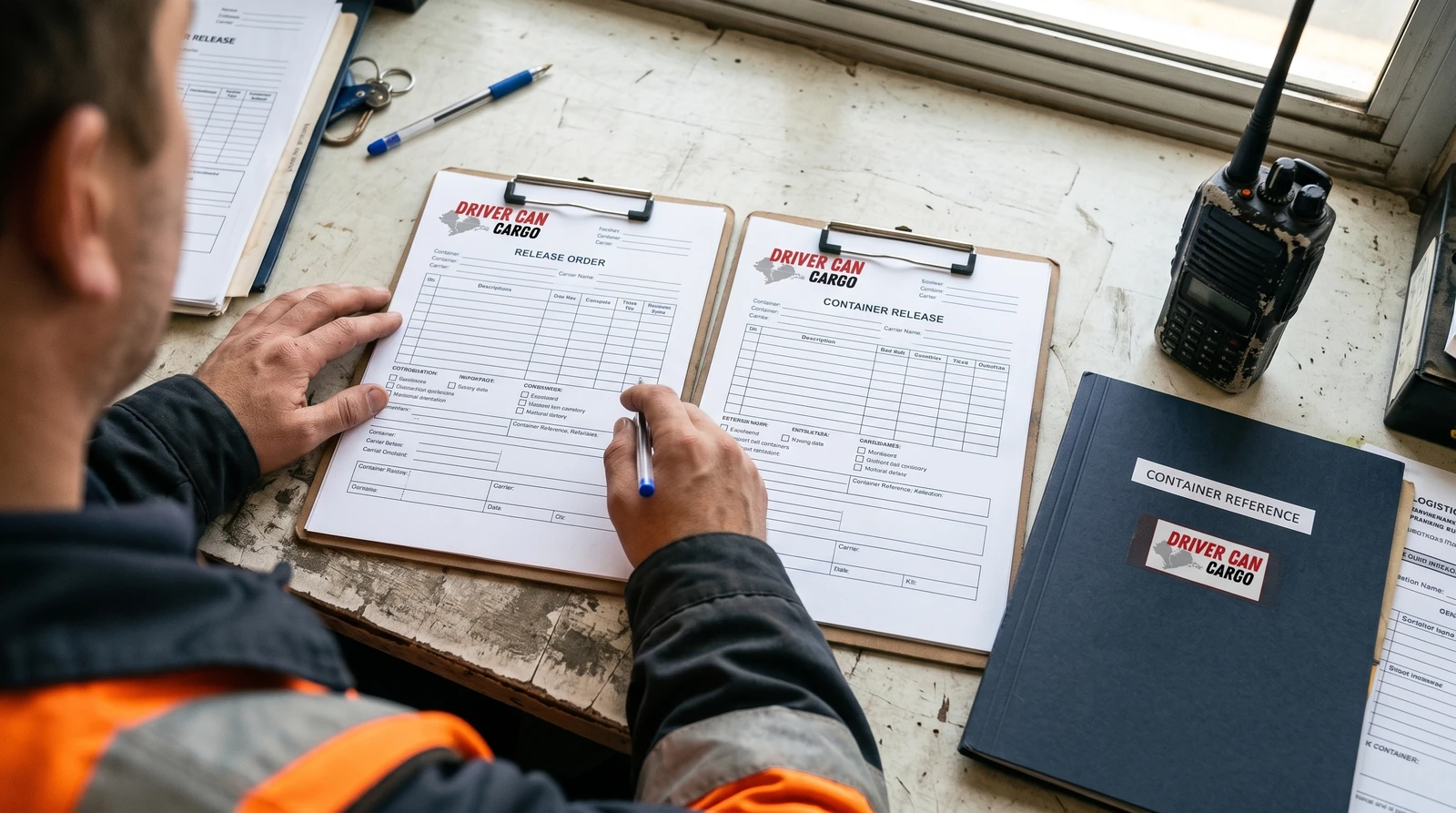
Assign each pallet or carton a destination zone and inventory reference. Separate active stock from obsolete, damaged or hold stock. Prepare a load manifest for each container rather than using one undifferentiated list for the entire move. Record the container and seal references where applicable.
Keep both facilities operational
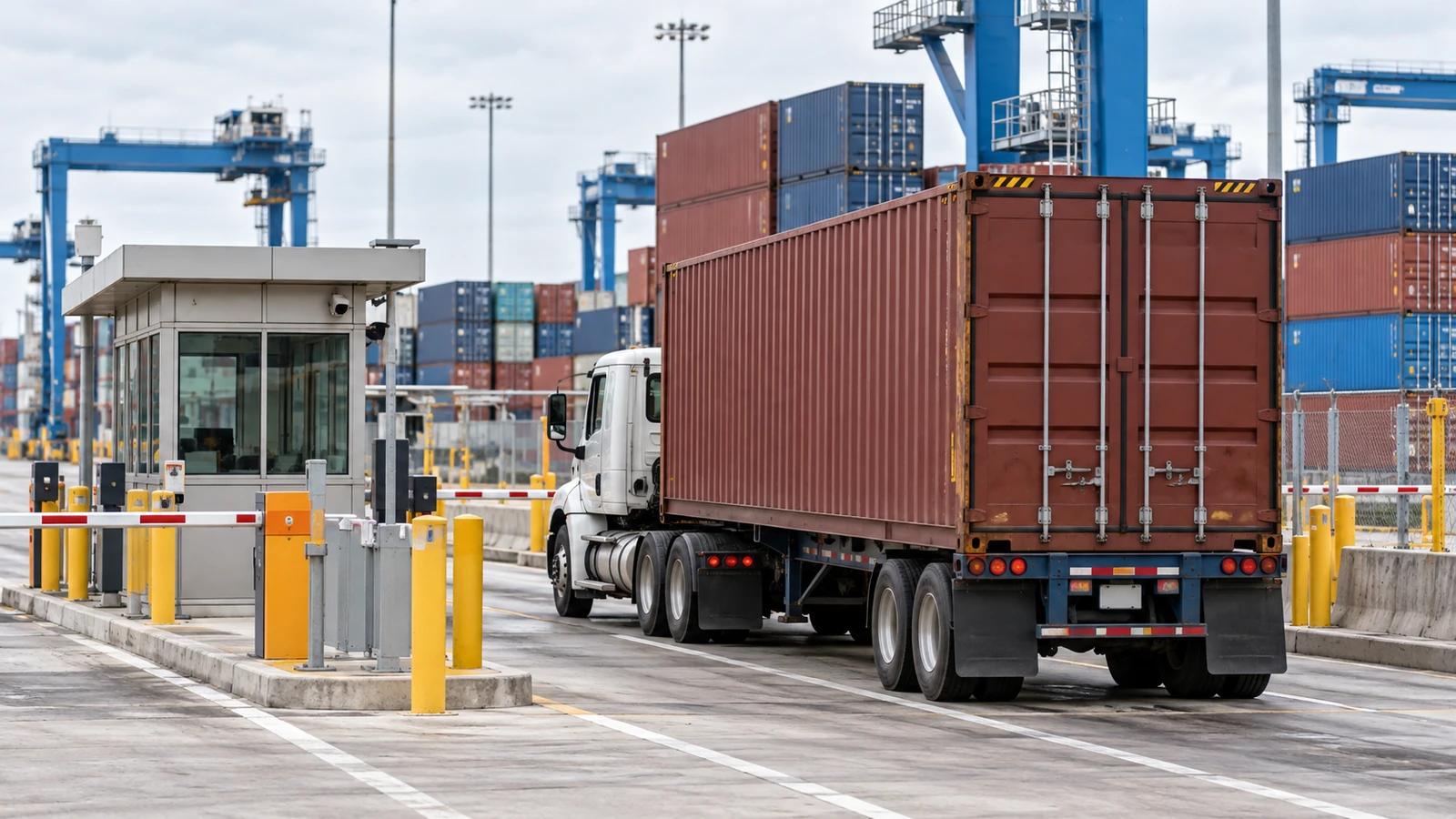
Choose pickup and receiving windows with the people who control the docks. Confirm that labour, forklifts and staging space will be available. If several loads are planned, ask the carrier to confirm each required date; do not assume a multi-container daily capacity from a general fleet description.
Close one load before starting the next
Check counts at departure and receipt and assign a person to resolve differences. Keep a record of what has moved and what remains at the old location. Communicate schedule changes in one shared plan.
Driver Can Cargo reviews each dry-container transport request individually. Packing, stock handling, racking work and equipment installation remain with the customer’s teams. Send the route, dates, container details and loaded weights to obtain a shipment-specific proposal.
Plan your route
Share your addresses, dates and loading and receiving arrangements.
Start a move request →