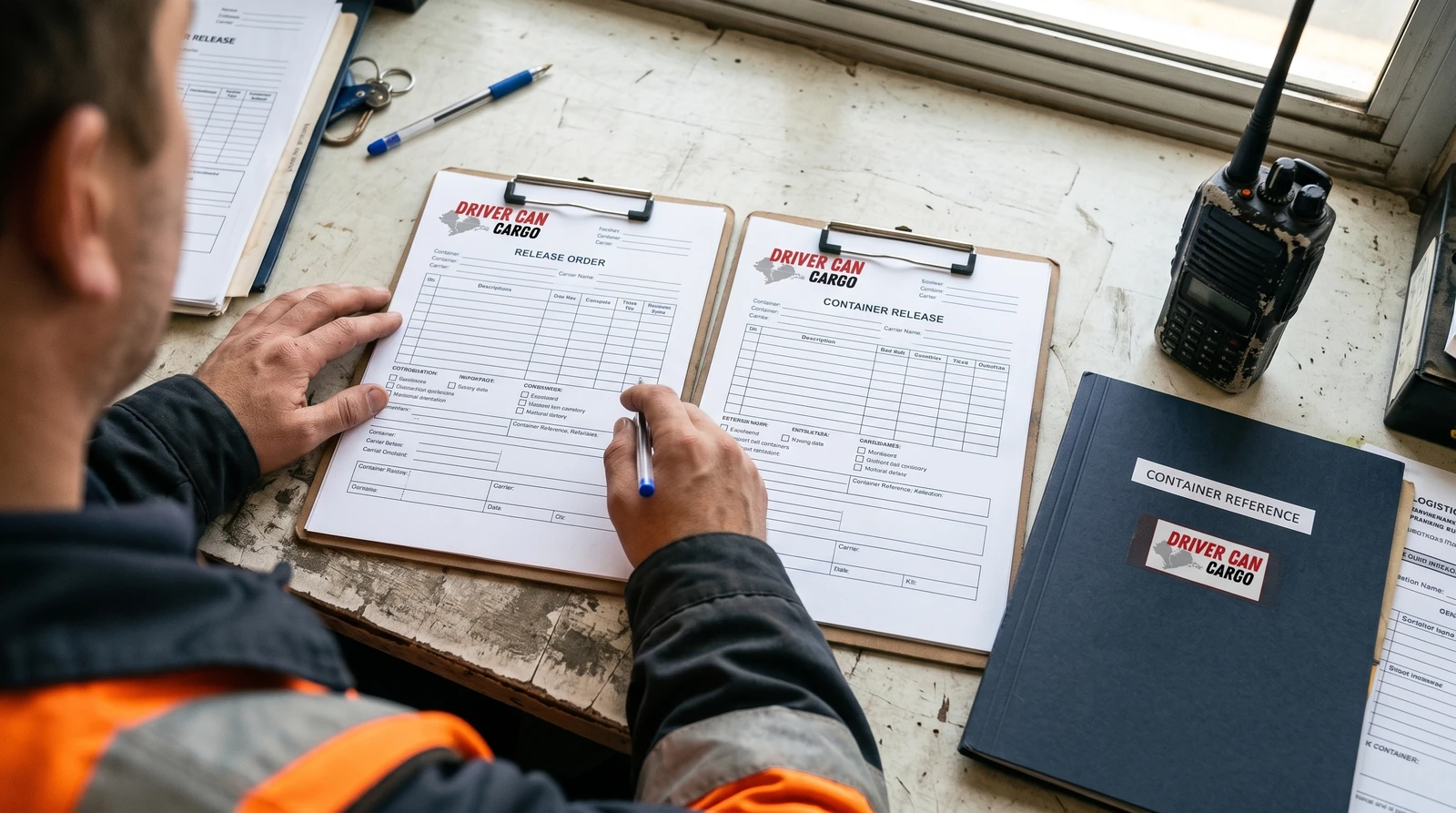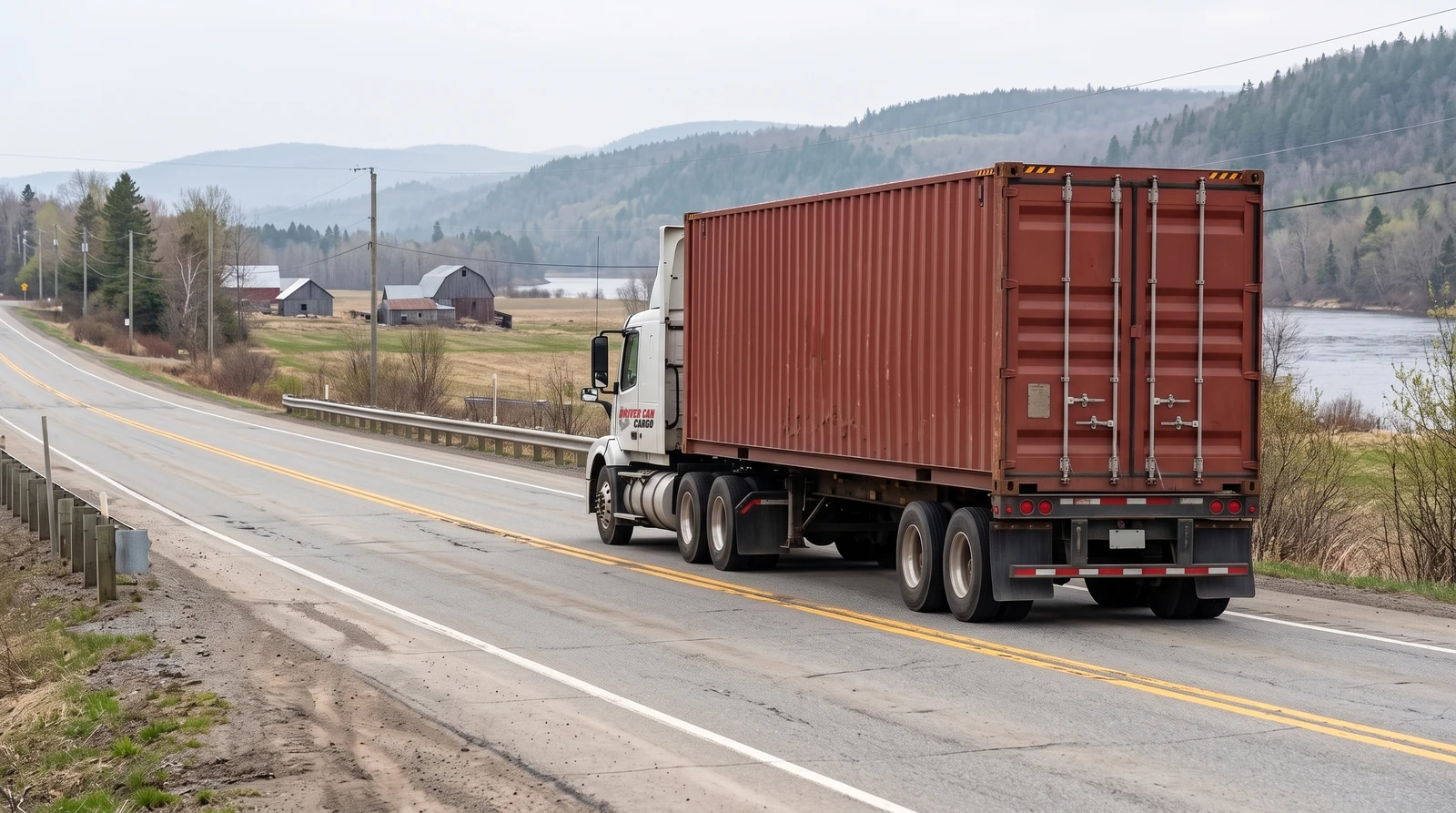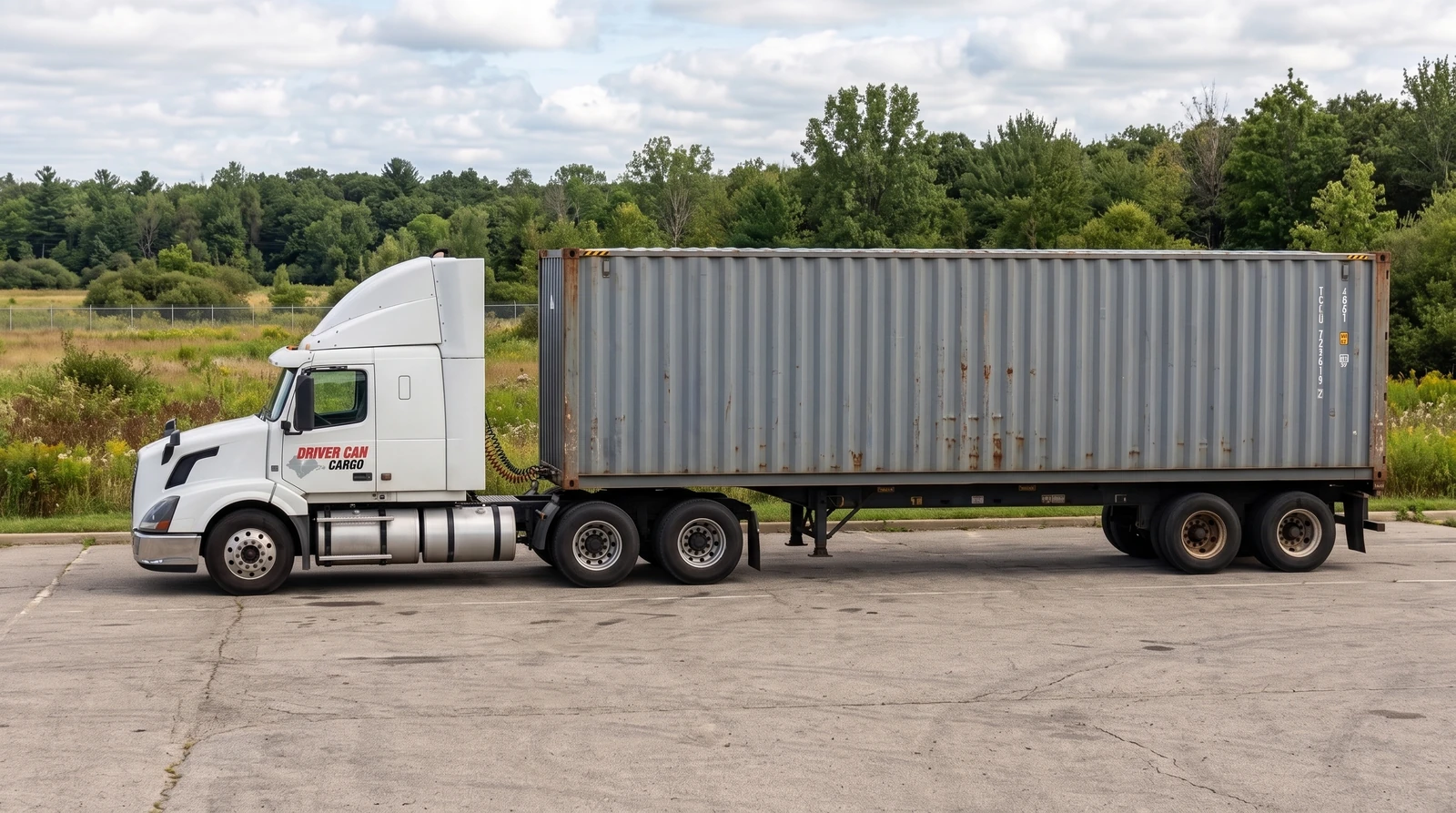
Retail transfers work best when the shipment inventory matches the receiving system. Decide whether stock will be counted by pallet, carton or individual SKU. Keep the shipment reference consistent on the packing list and in the instructions sent to both locations.
Separate sales stock from store fixtures
List saleable goods, display equipment and damaged or returned stock separately. Group cartons by department or receiving zone. Mark any handling limitations and confirm that the goods are suitable for a non-refrigerated dry container. Discuss products that need controlled conditions before choosing the equipment.
Plan a receiving count
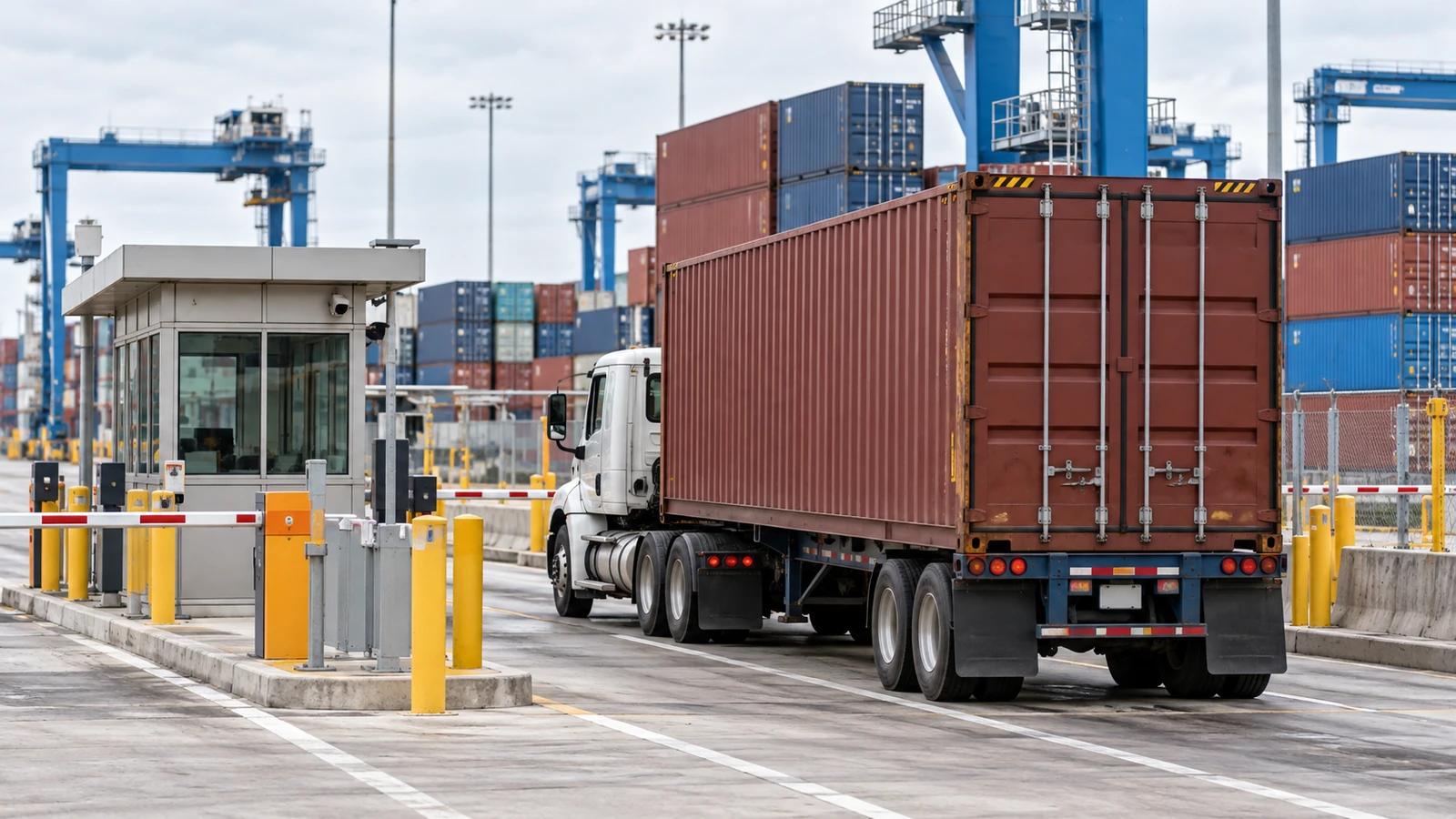
Give the destination a packing list before arrival. Agree who records visible damage, missing packages or seal differences and how those exceptions will be communicated. Avoid opening packages in a traffic lane while the vehicle is waiting; arrange a suitable inspection and unloading area.
Make the transport scope clear
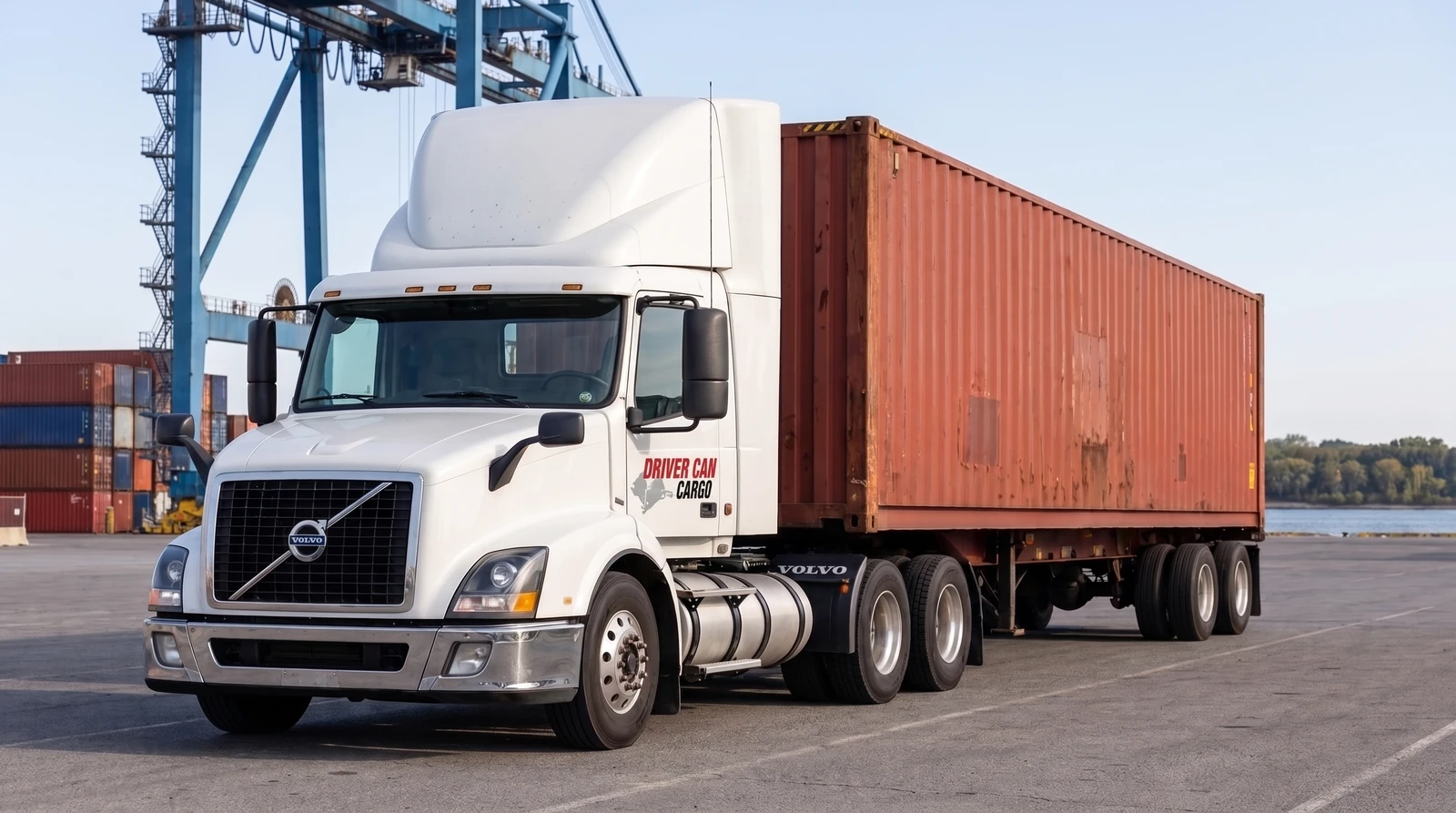
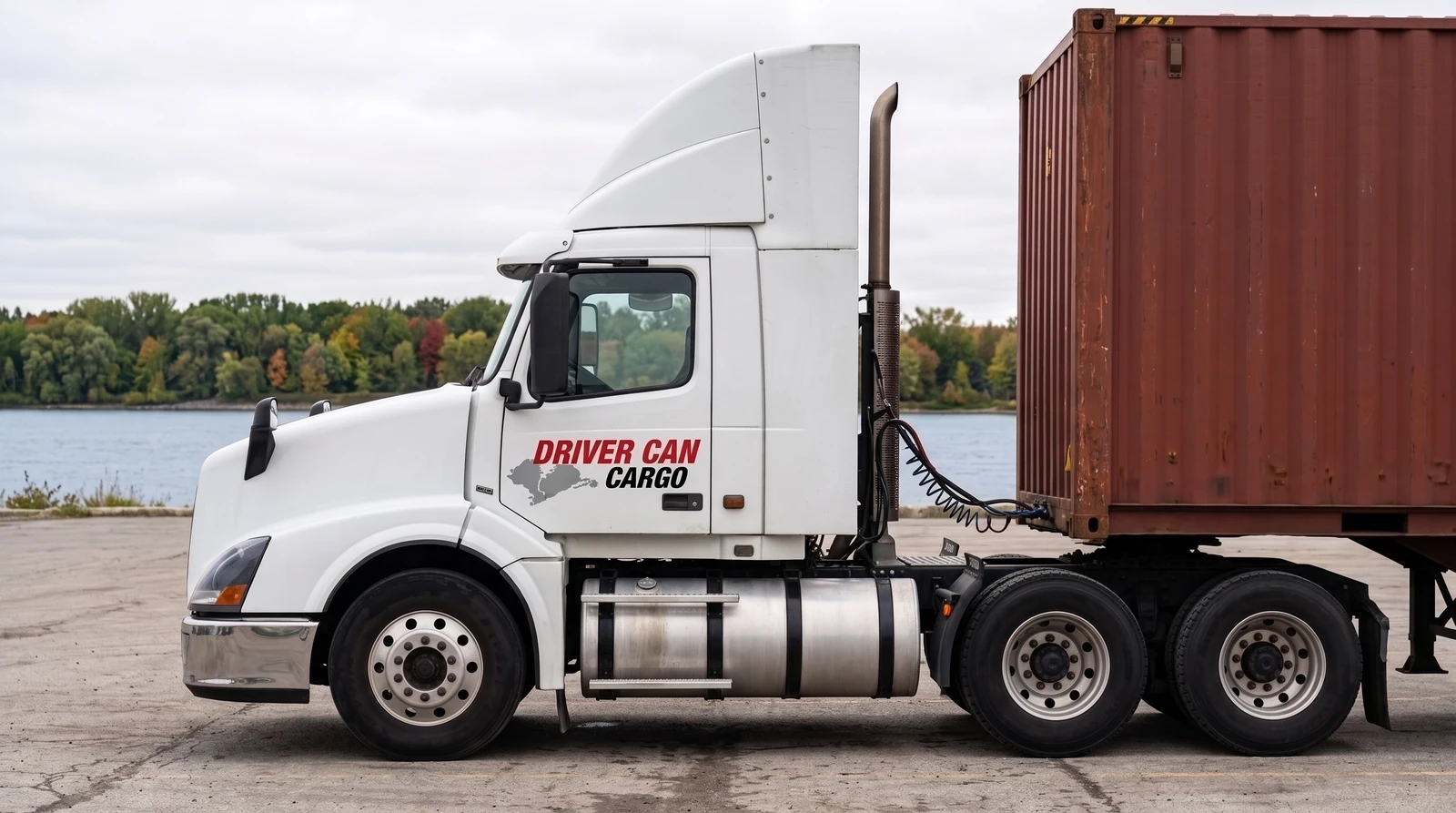
Send the container size, estimated loaded weight, pickup and delivery contacts, dock availability and loading method. If a store cannot receive a tractor and chassis, discuss a suitable alternate location before dispatch. Coordinate arrival with the team receiving, unpacking and stocking the goods.
Driver Can Cargo handles the container road move subject to route and equipment confirmation. Coordinate container availability, packing and handling with your chosen providers. A relocation can be quoted only after the actual endpoints and timing are known.
Plan your route
Share your addresses, dates and loading and receiving arrangements.
Start a move request →