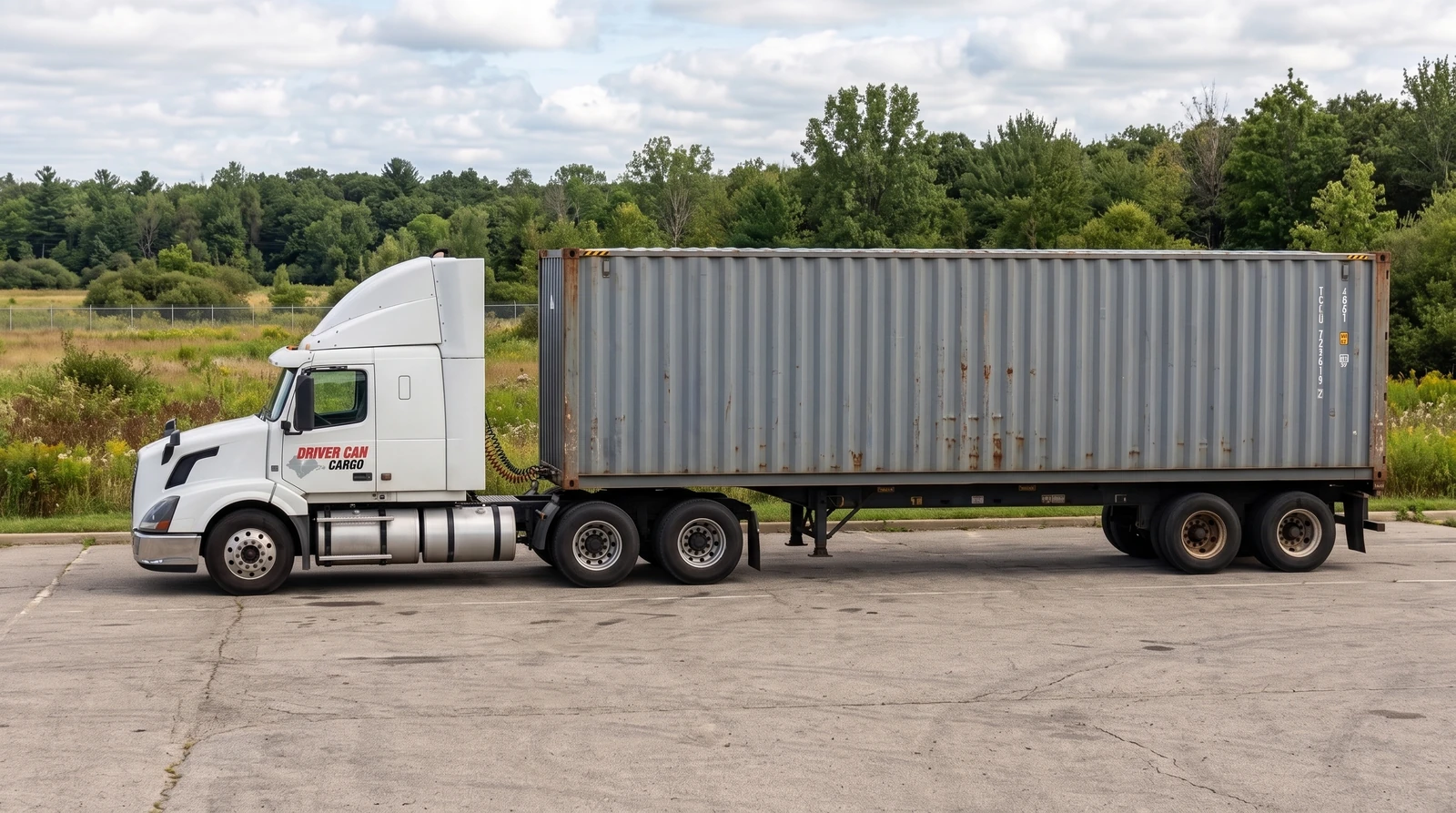
A container transfer is useful for a consolidated stock movement between facilities. It is different from delivering individual parcels to online shoppers. Plan it around warehouse intake requirements rather than customer shipping labels alone.
Obtain the destination intake rules
Ask the receiving warehouse for its current appointment process, shipment reference requirements, carton labels and pallet instructions. Use its latest written directions; different fulfilment providers can require different preparation. Do not assume a previous inbound shipment establishes the rules for a new facility.
Keep inventory traceable
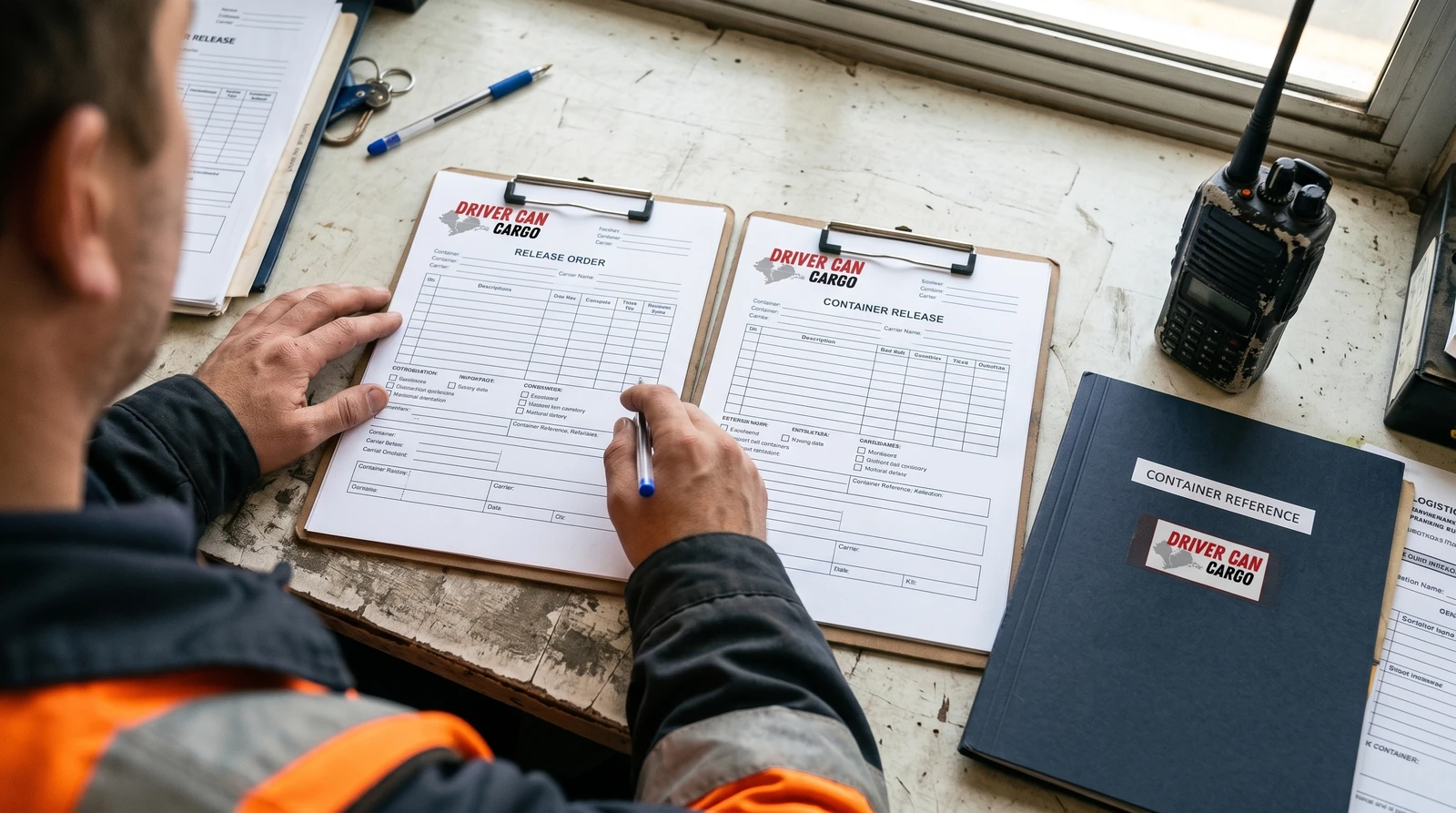
Create a packing list that links each pallet or carton to SKU counts and the shipment reference. Separate mixed or exception stock so the destination knows how to receive it. Keep order-customer data out of transport notes when only product quantities are needed.
Coordinate readiness and appointments
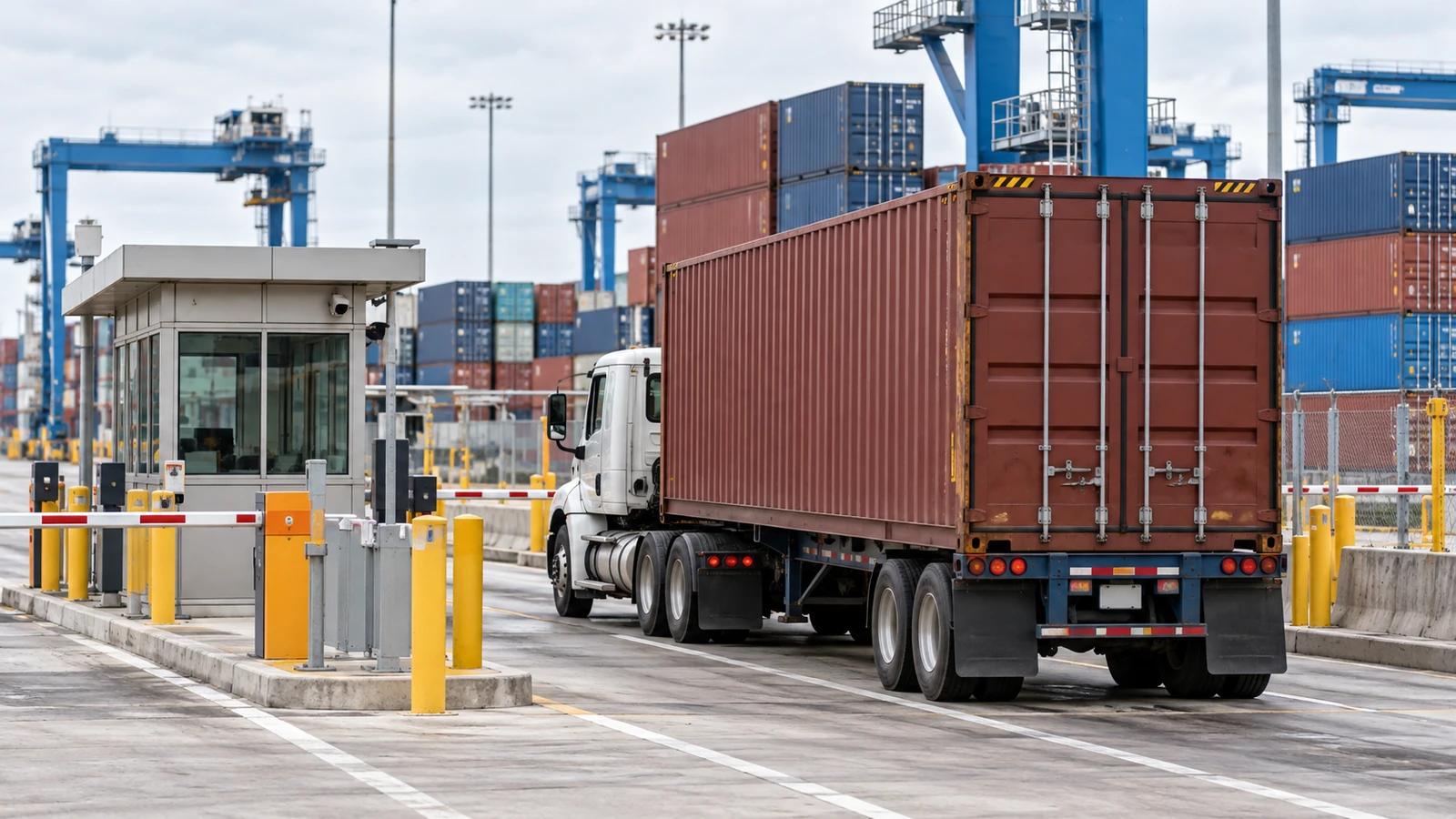
Confirm that the stock will be packed and loaded before the truck is dispatched. Share the container number, estimated weight and destination receiving window. Ask what happens if the warehouse refuses intake or changes its slot and identify the person authorized to resolve the issue.
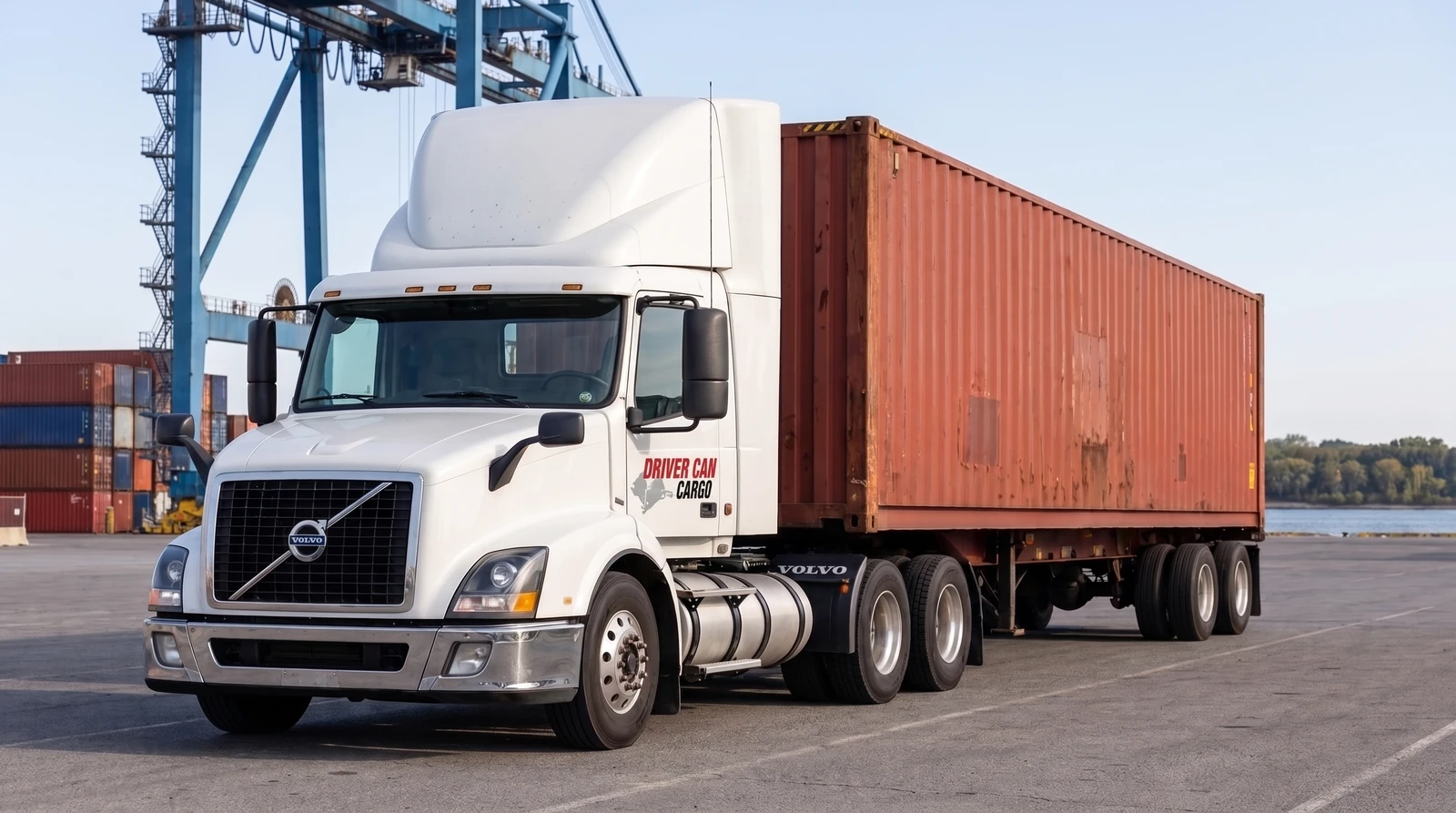
Driver Can Cargo reviews the road transport of the loaded dry container, coordinated with your warehouse and fulfilment teams. Container rental and loading arrangements must be confirmed separately. Use the quote request to provide the exact Montreal, Quebec or supported Quebec regional lane.
Plan your route
Share your addresses, dates and loading and receiving arrangements.
Start a move request →