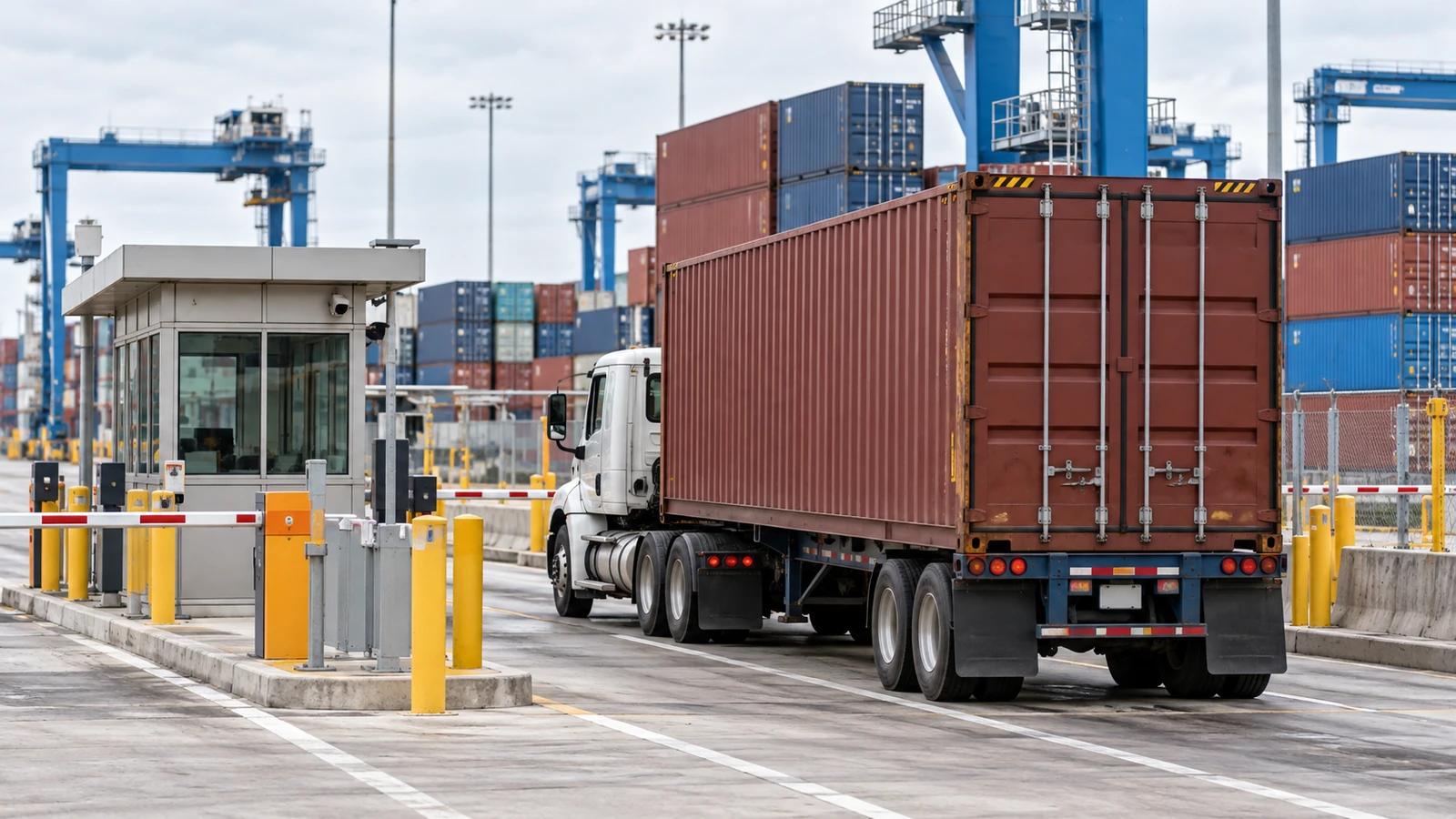
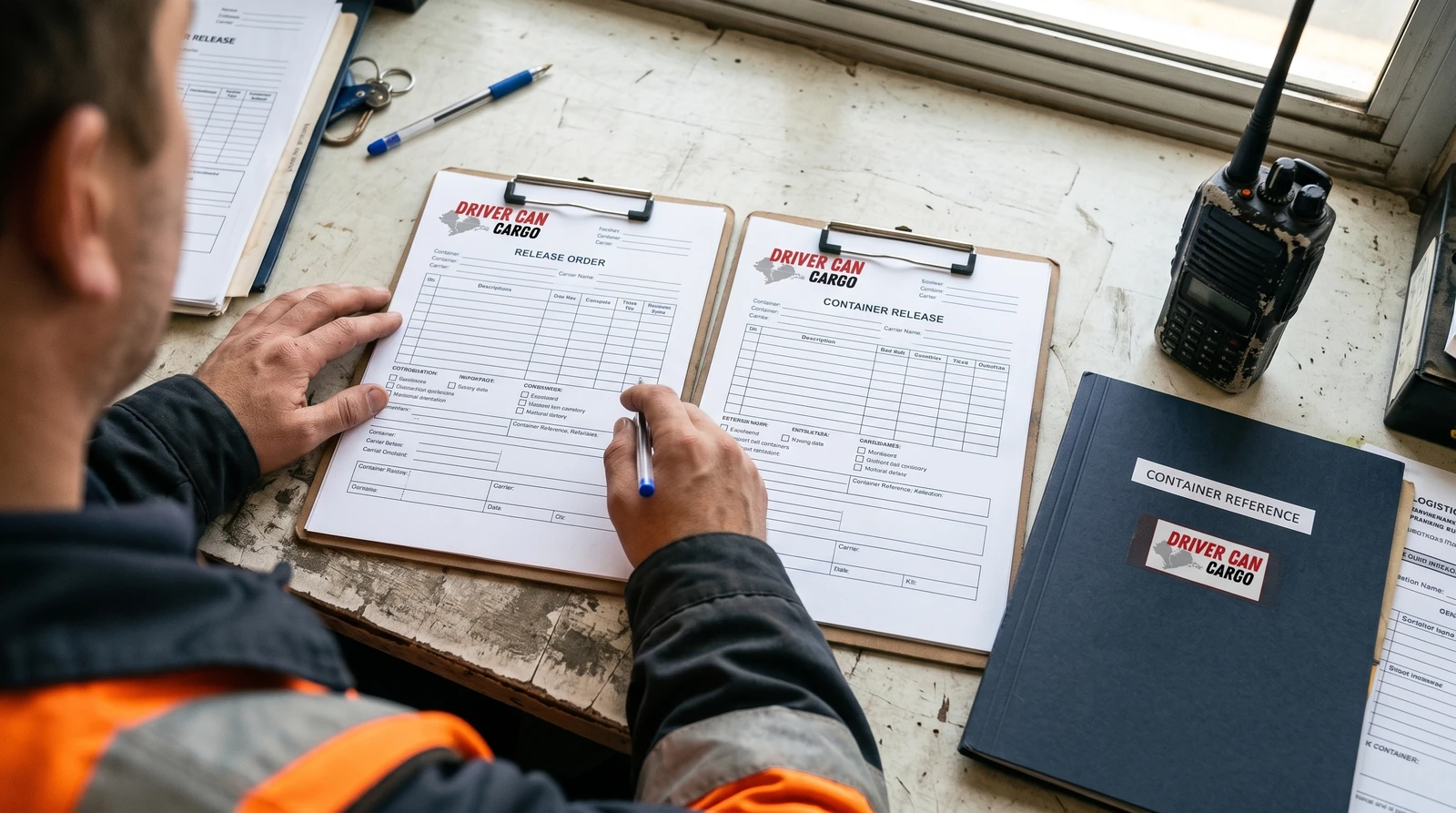
A sealed container can pass between several parties without its contents being visible to each one. That makes accurate information from the loading party essential. A seal reference helps track the handoff; it does not describe the cargo or prove how it was packed.
Before the doors close
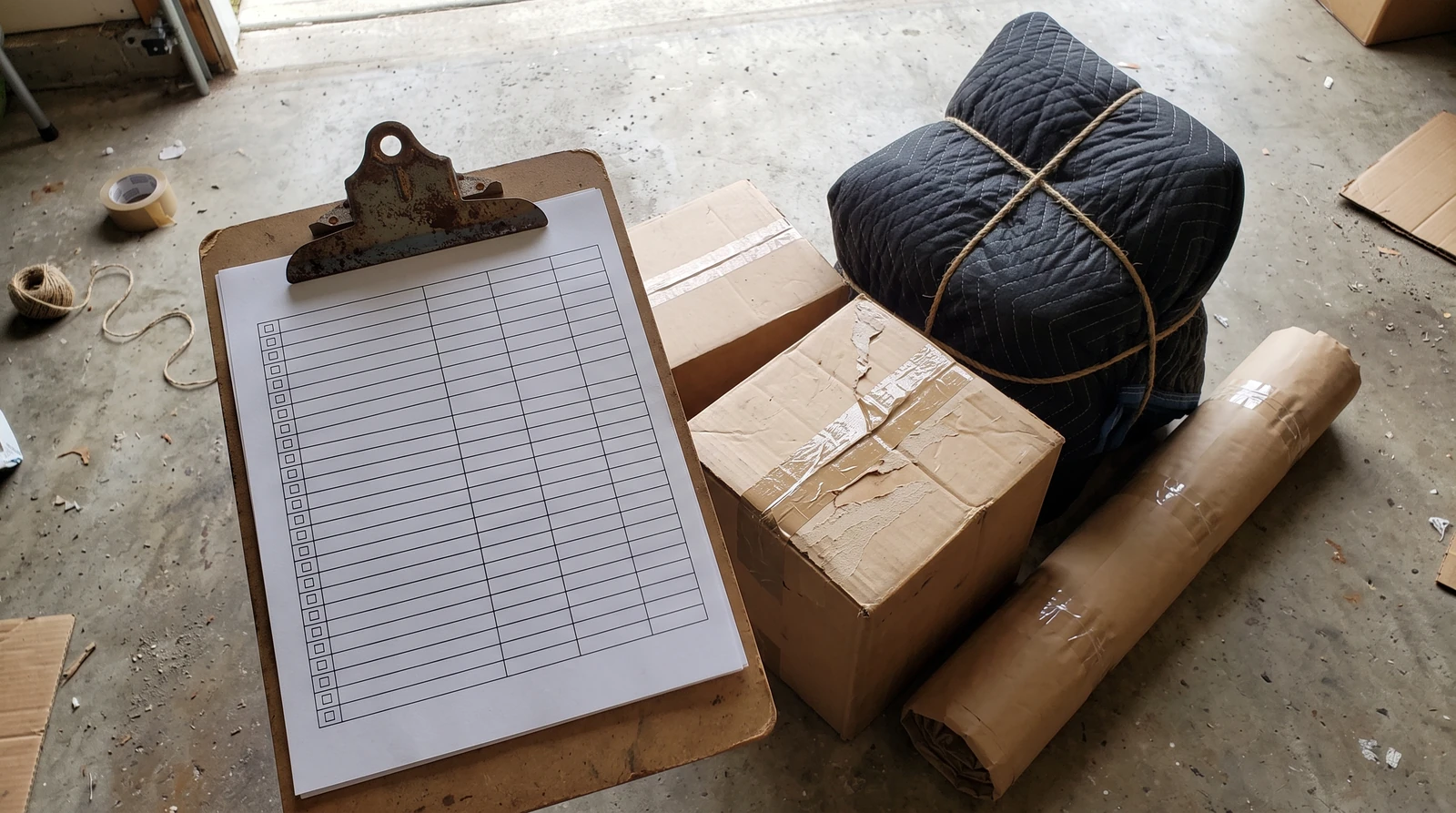
Have the loading team complete the inventory, cargo description and weight information. Use competent people to select packaging and load restraint suitable for the goods and equipment. Identify who records the container and seal numbers and who can answer loading questions after the truck leaves.
At transport handoff
Provide the carrier with the required shipment information and any declared special characteristics. Do not assume the driver can verify internal packing through closed doors. Share changes to the load before dispatch, especially a weight revision or a product added after the quote was prepared.
At destination
Arrange a contact to receive the container and follow the agreed process for seal checks and exceptions. If information does not match, record the discrepancy and contact the responsible parties before taking the next step. Never treat a transport guide as a substitute for the parties’ contractual duties.
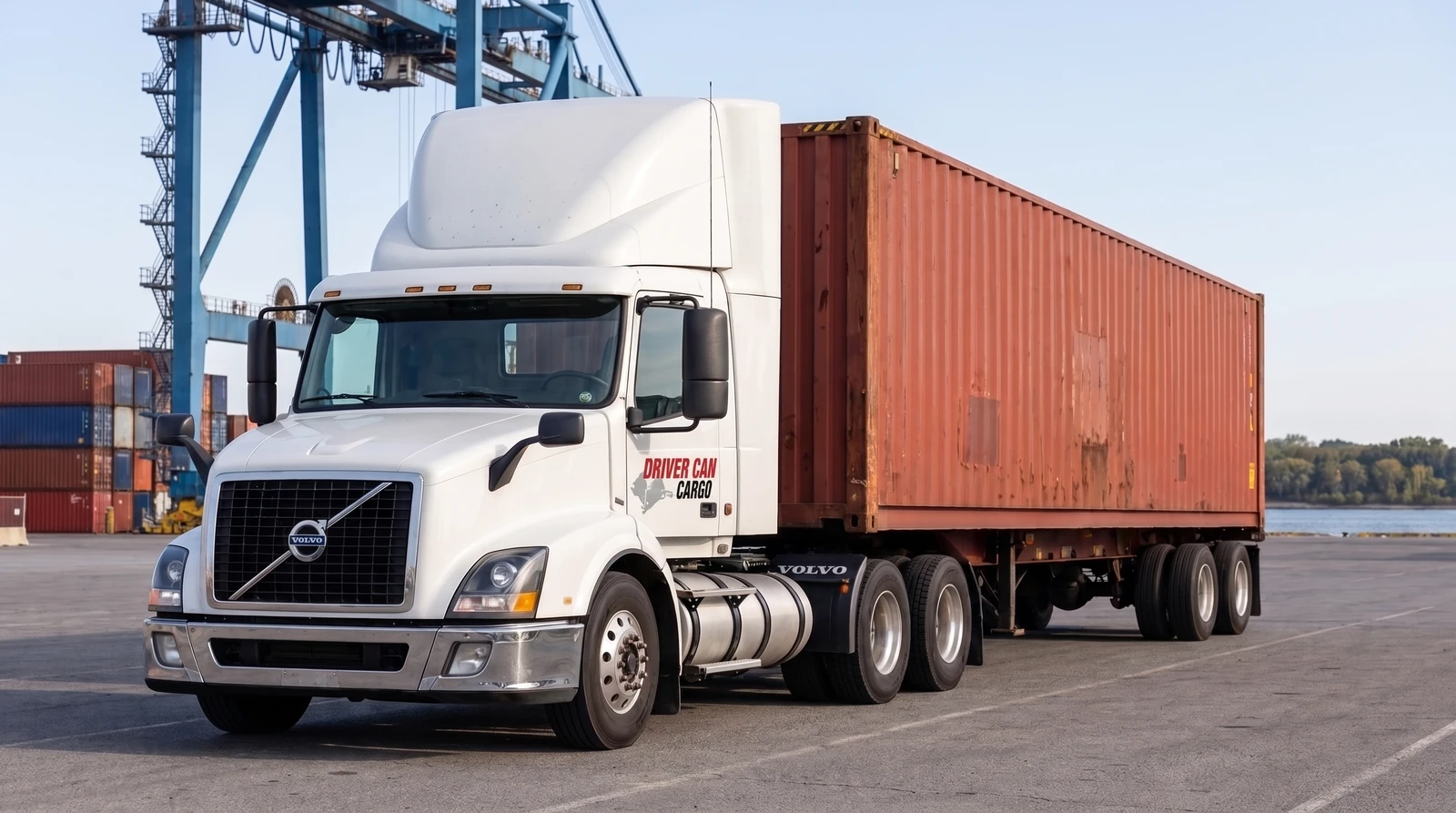
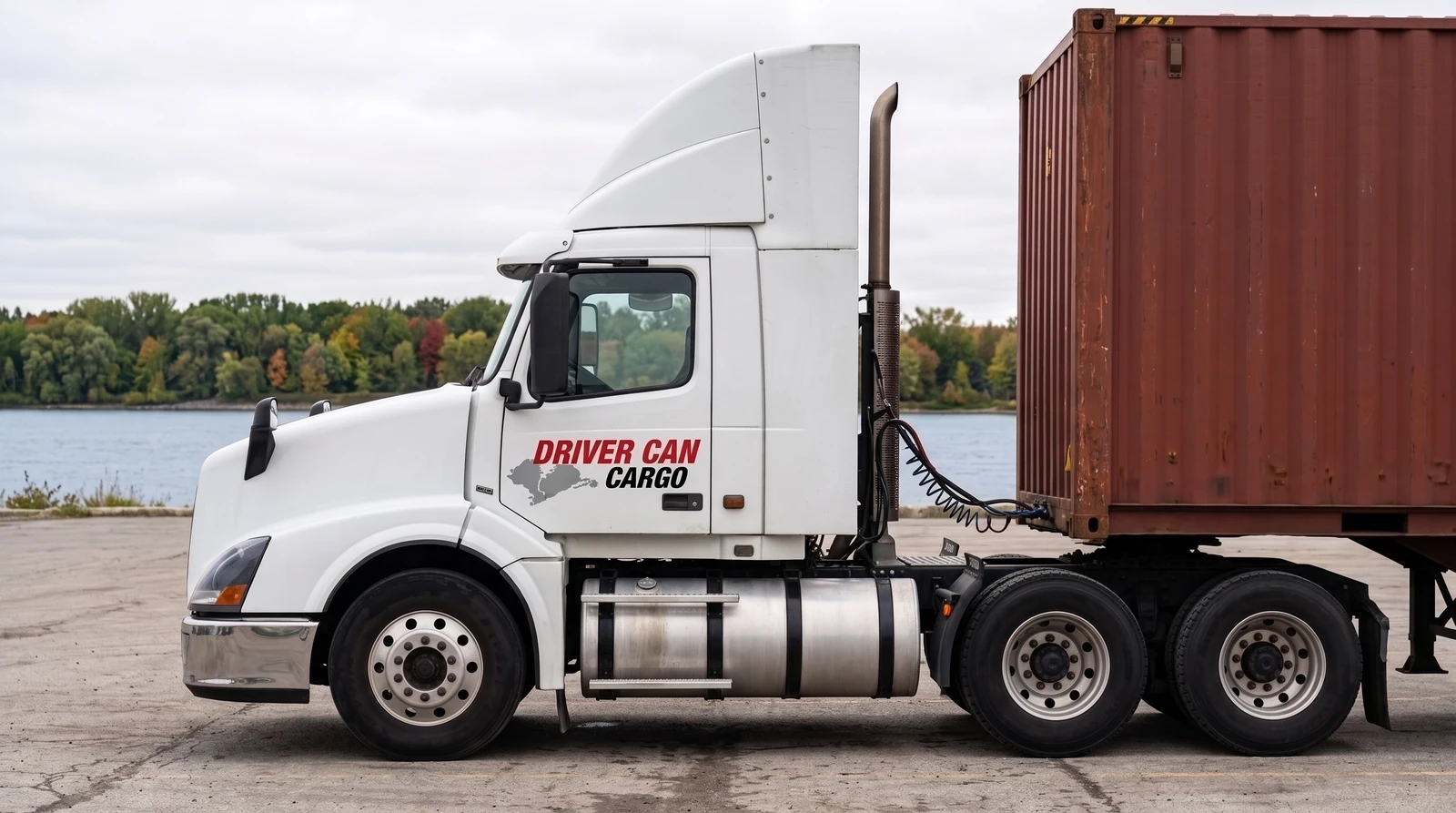
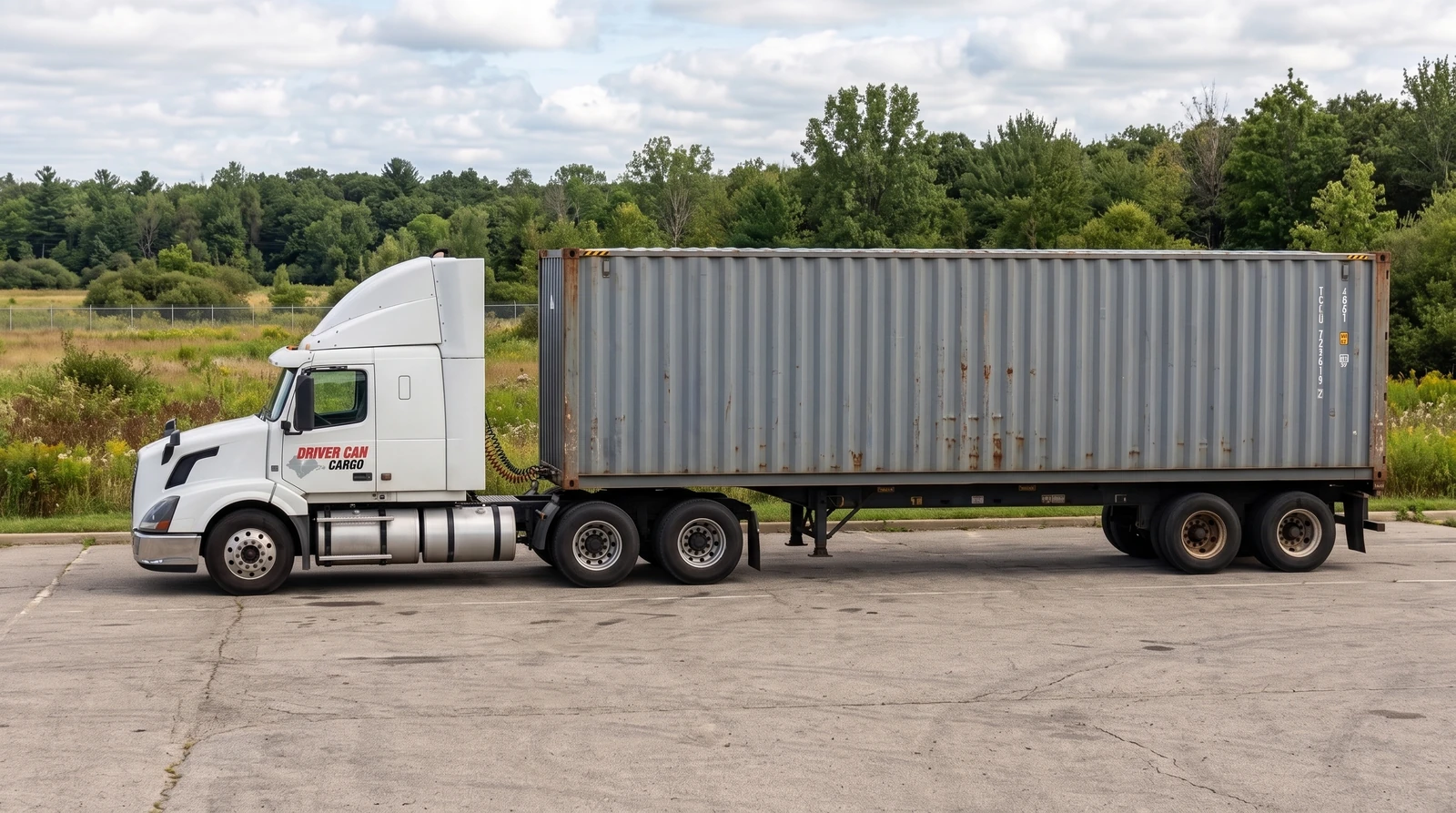
Driver Can Cargo’s confirmed service is the container road move. Coordinate your packing, loading and receiving arrangements with the transport schedule. Discuss the complete shipment with the team to establish which information is required before acceptance.
Plan your route
Share your addresses, dates and loading and receiving arrangements.
Start a move request →