The phrase “container moving service” can describe several different businesses. One company may rent a container, another may load it and a third may carry it by road. Separating these roles prevents an accepted transport quote from being mistaken for a complete moving package.
Name the equipment provider
Confirm who owns or controls the container, when it will be available and where it can be collected and returned. Obtain permission and references from that party. Confirm container supply and any storage with the equipment provider.
Name the handling providers
Confirm who packs the goods, loads them, chooses the restraint system and unloads at destination. If the container must be placed on the ground, identify the suitable equipment and provider. Confirm ground-placement methods with the equipment provider. Discuss site access and lifting with the people responsible before making commitments.
Name the carrier
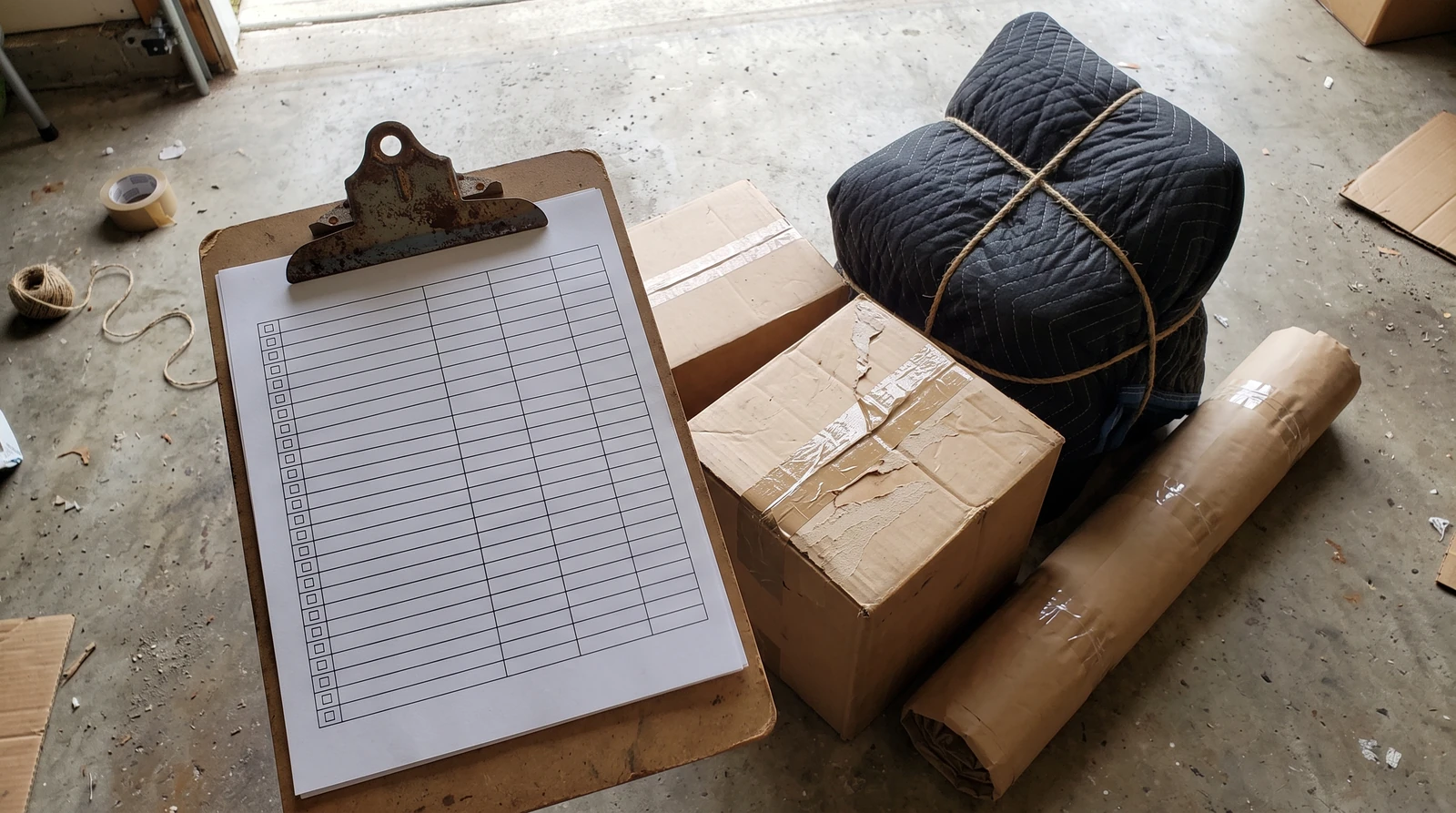
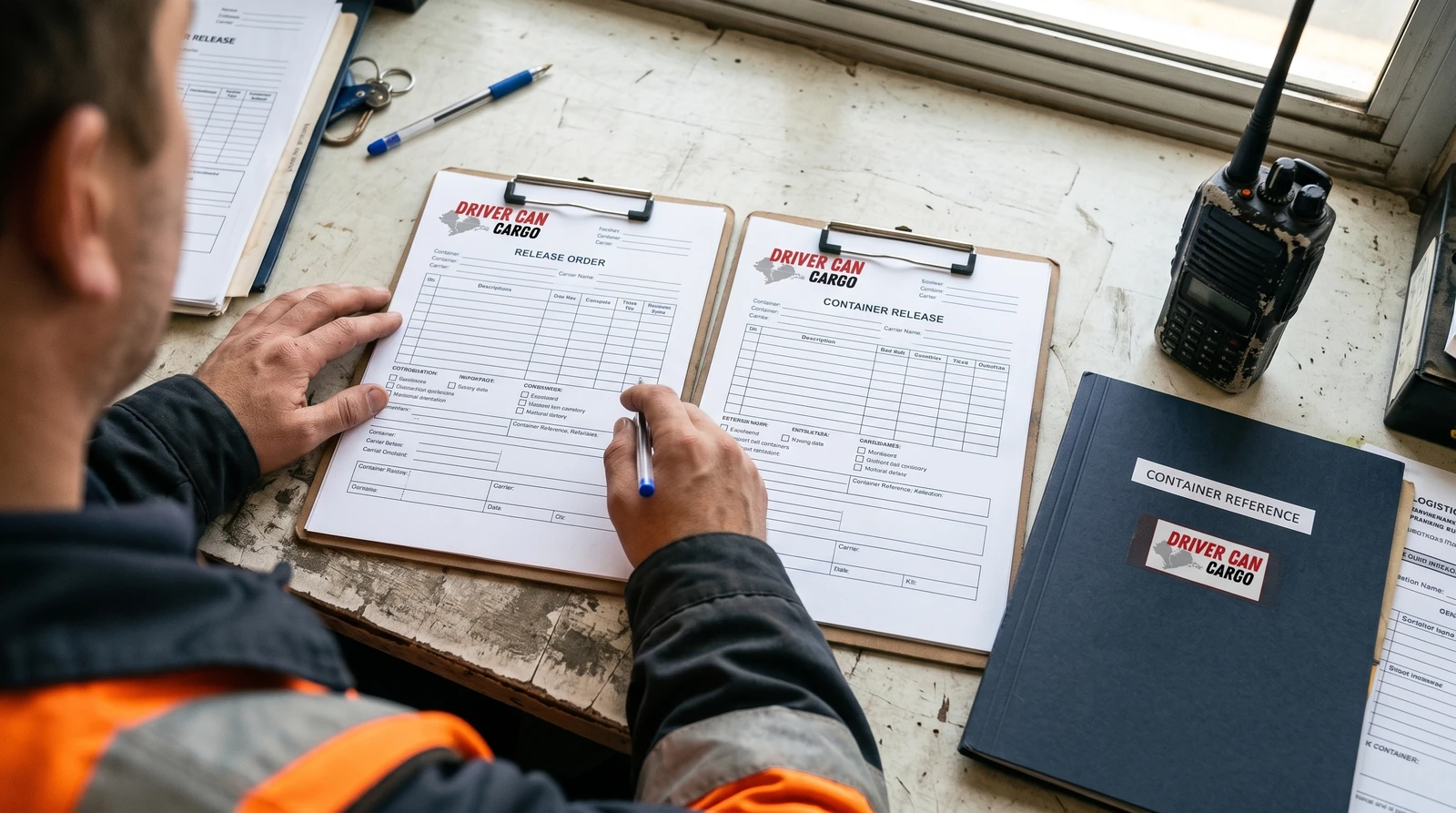
The road carrier assesses the vehicle, route, loaded weight, timing and transport scope. Ask whether the quoted work includes terminal visits, extra stops, waiting and any empty return. Keep responsibilities in a short written table with a contact for each task.
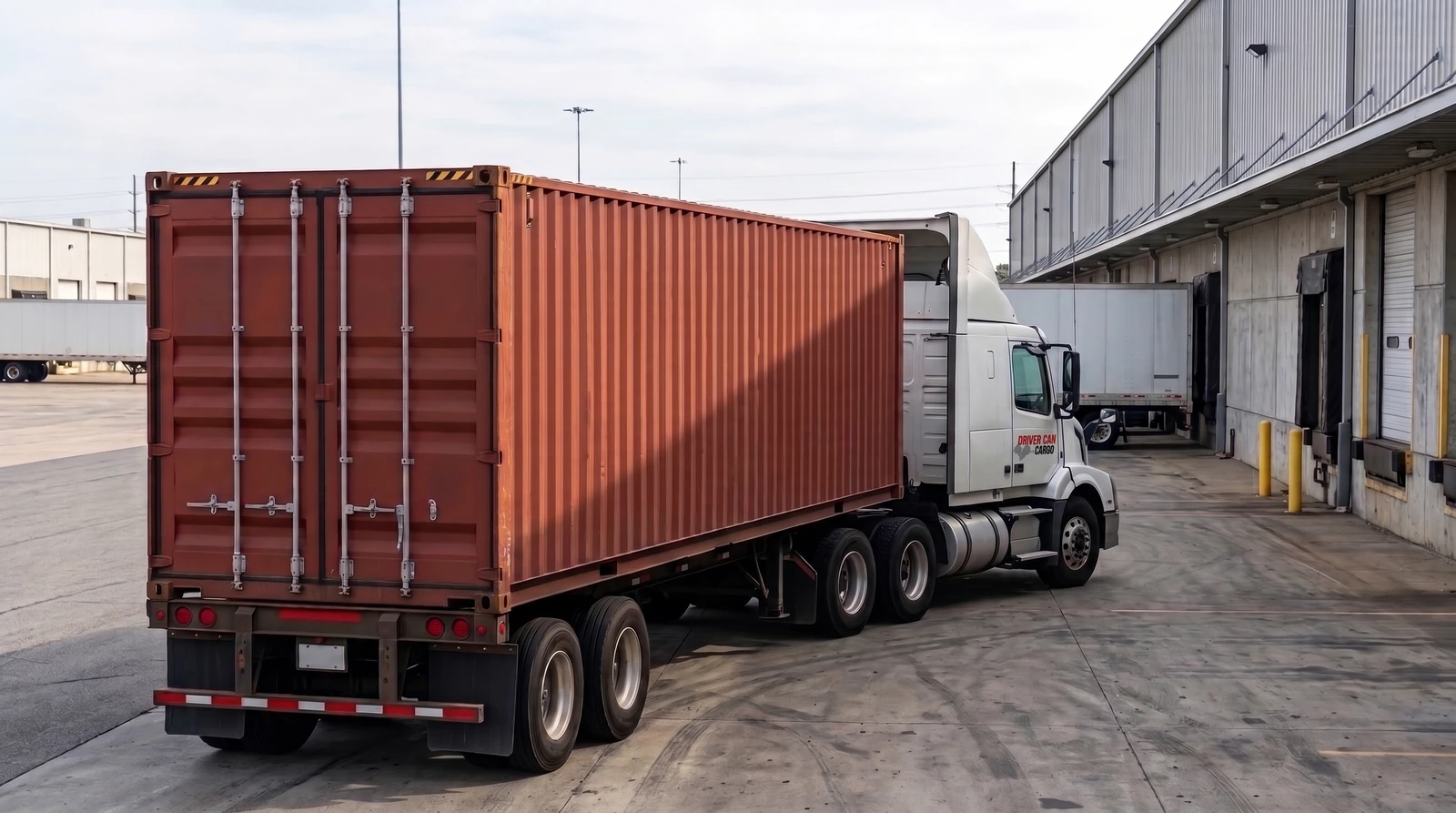
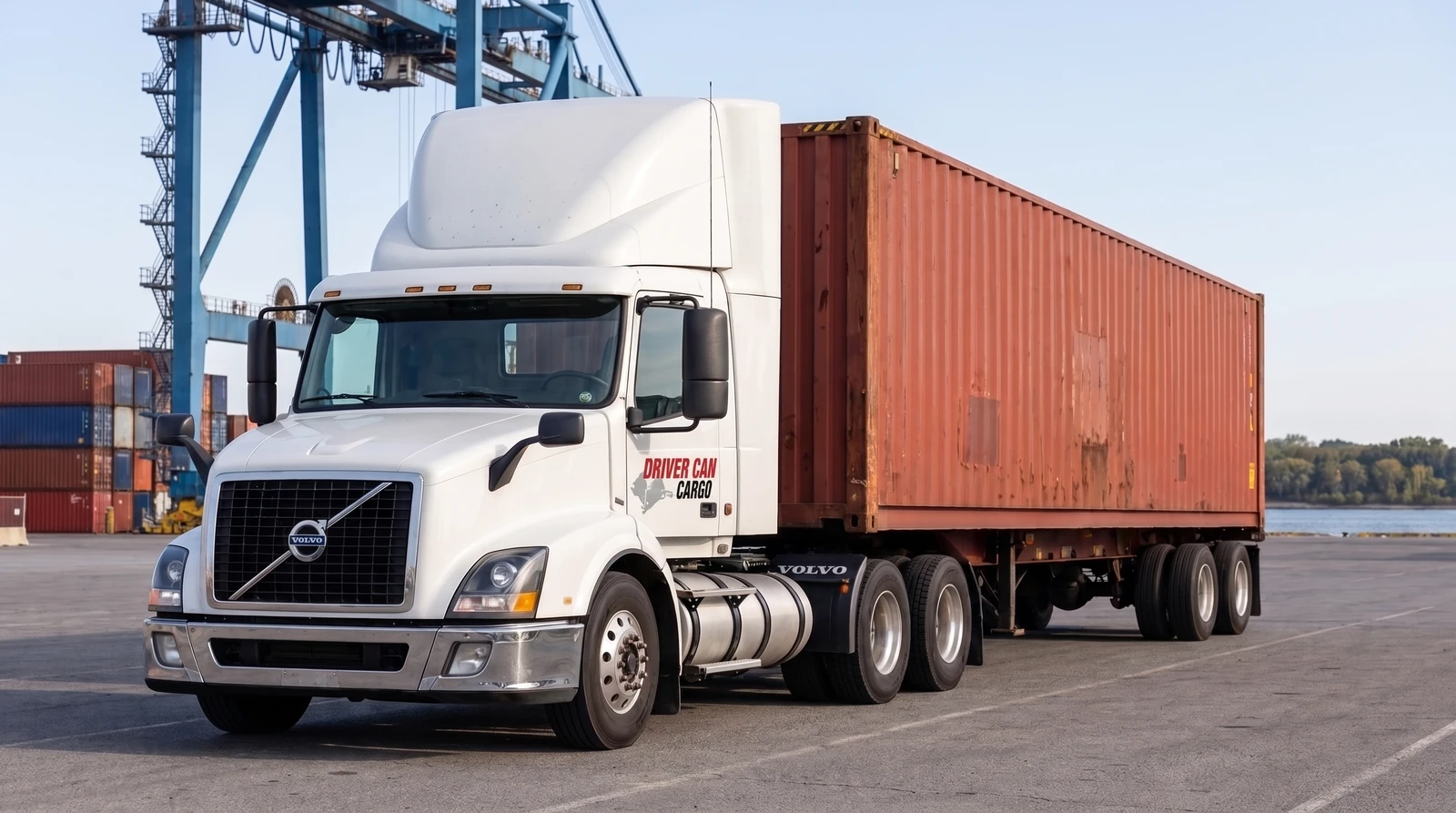
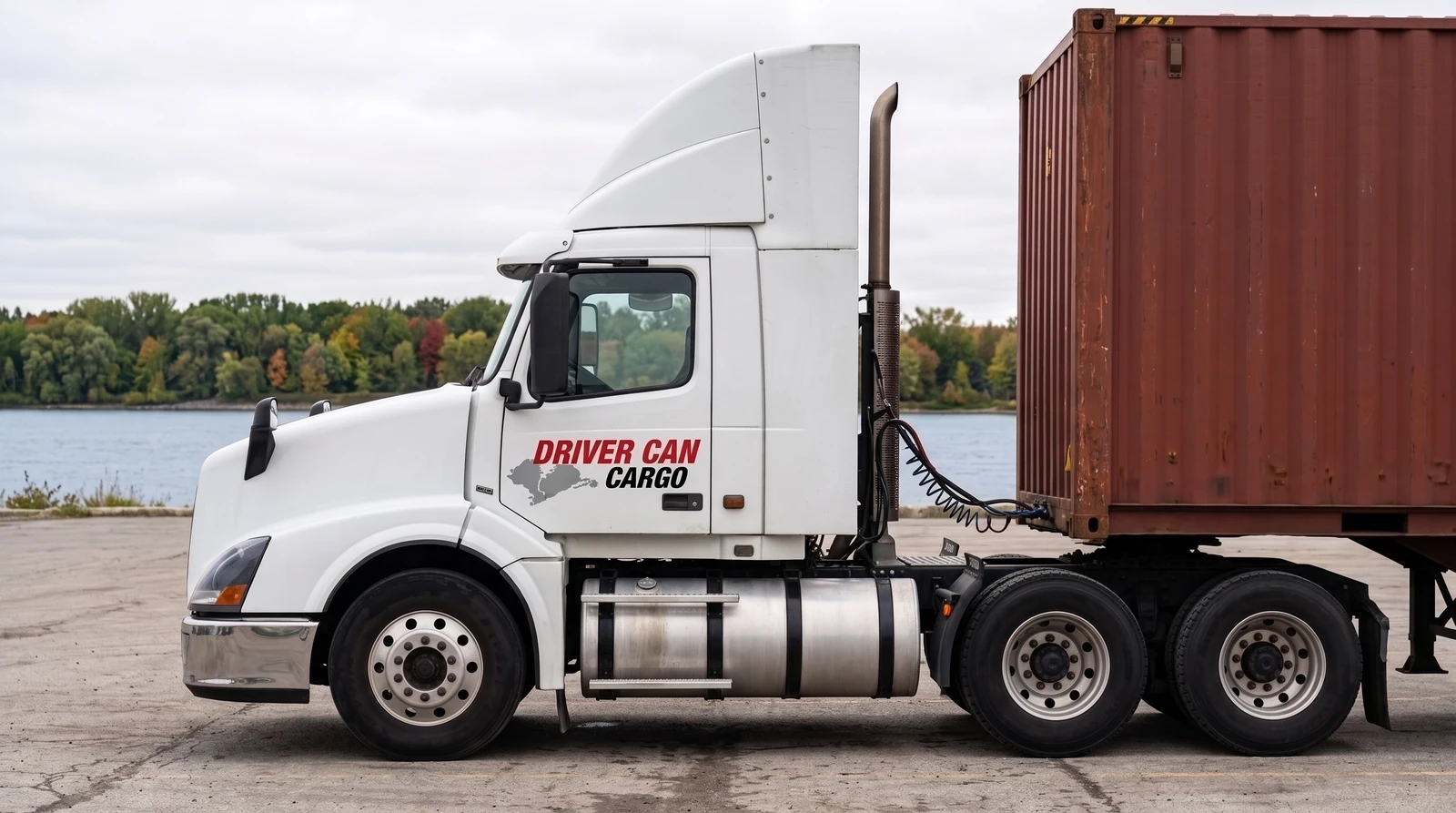
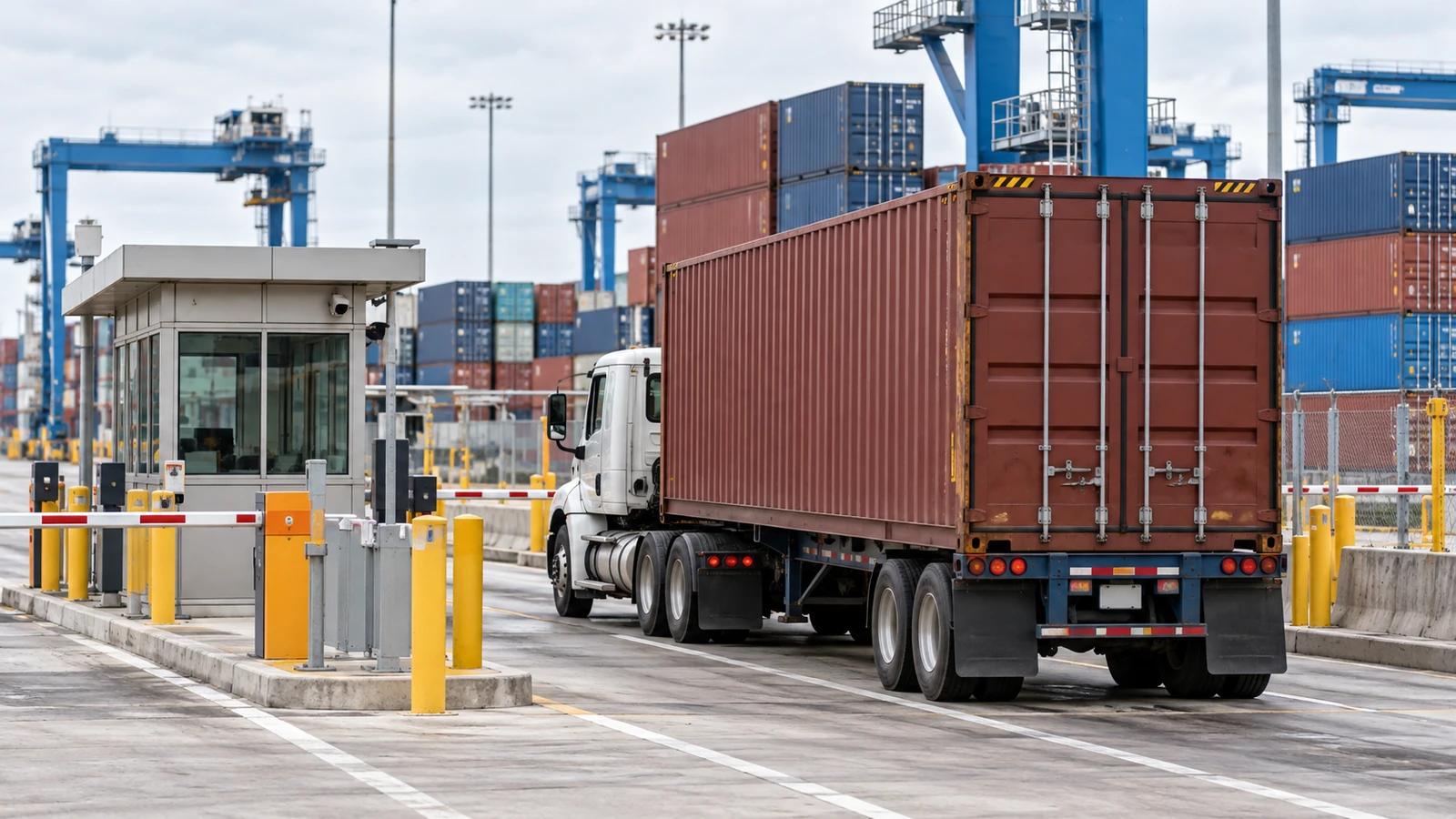
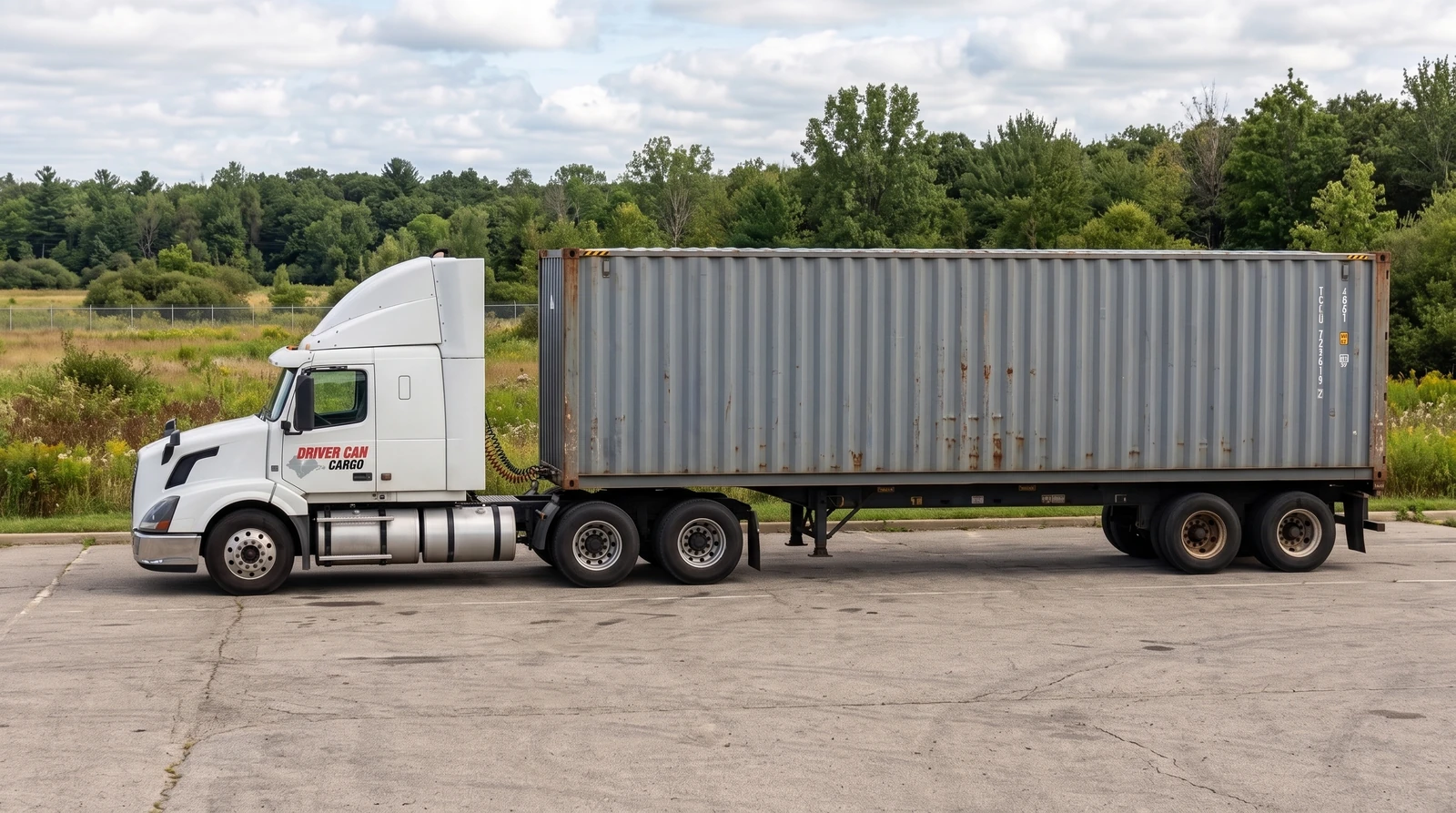
Driver Can Cargo transports third-party dry containers on chassis, coordinated with the teams preparing and receiving the load. Coordinate packing, loading and receiving with your chosen teams. Ask about the actual shipment before assuming additional equipment or services are available.
Plan your route
Share your addresses, dates and loading and receiving arrangements.
Start a move request →