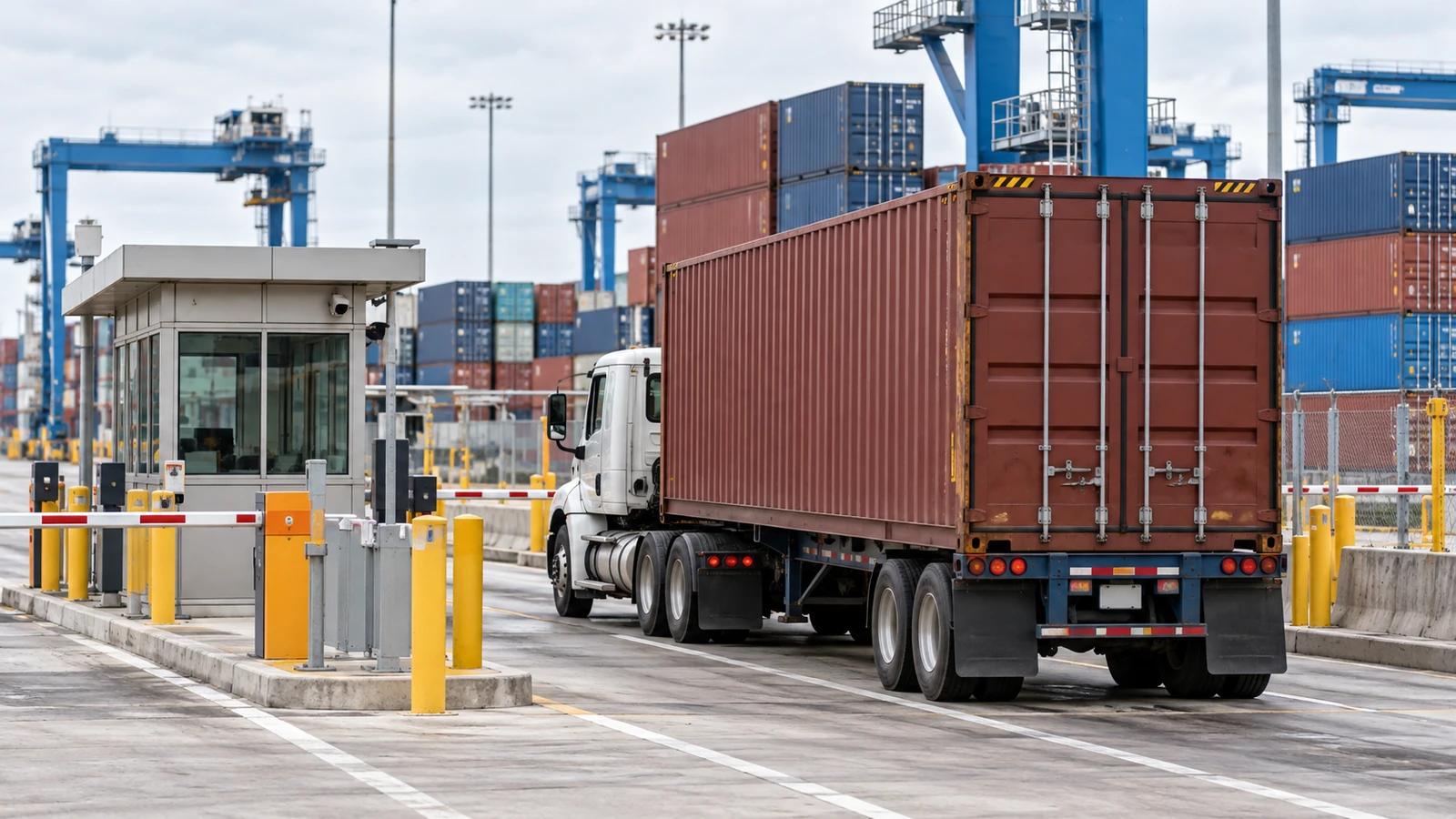
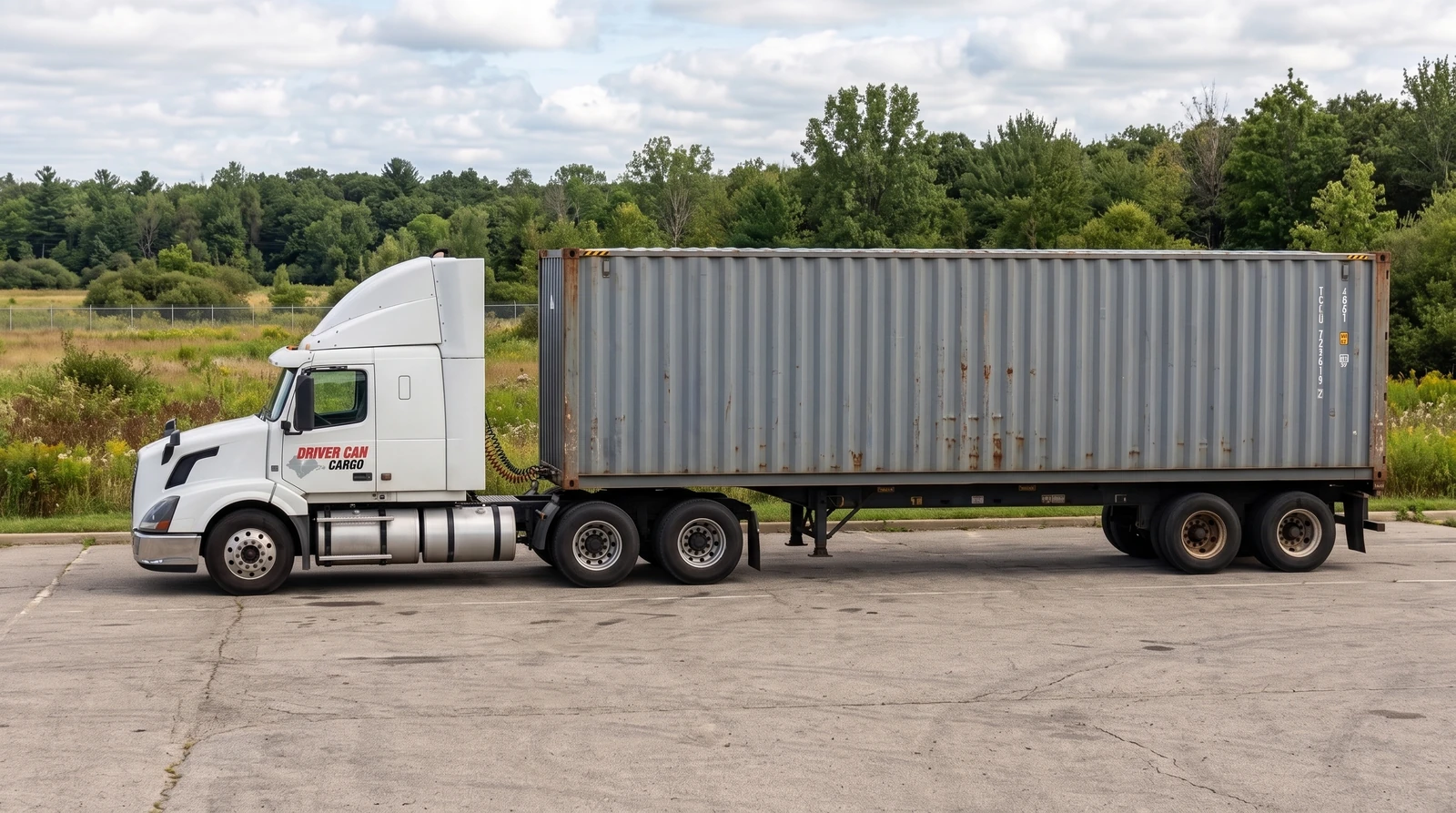
“Dry container” describes the equipment category; it does not mean every item inside is protected from every humidity or temperature change. Furniture, paper, textiles and some packaged products may need preparation chosen for their materials and journey.
Inspect before loading
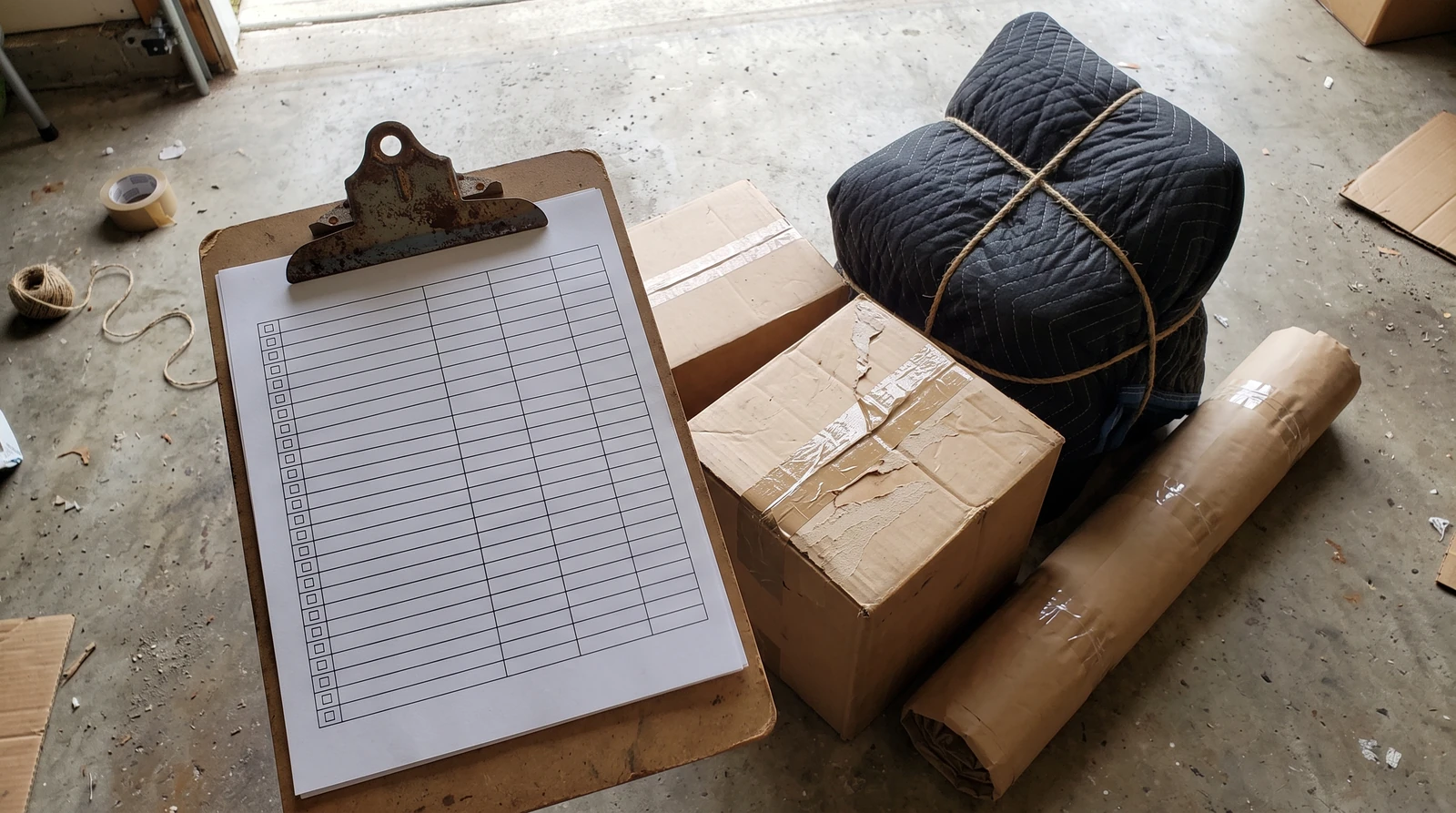
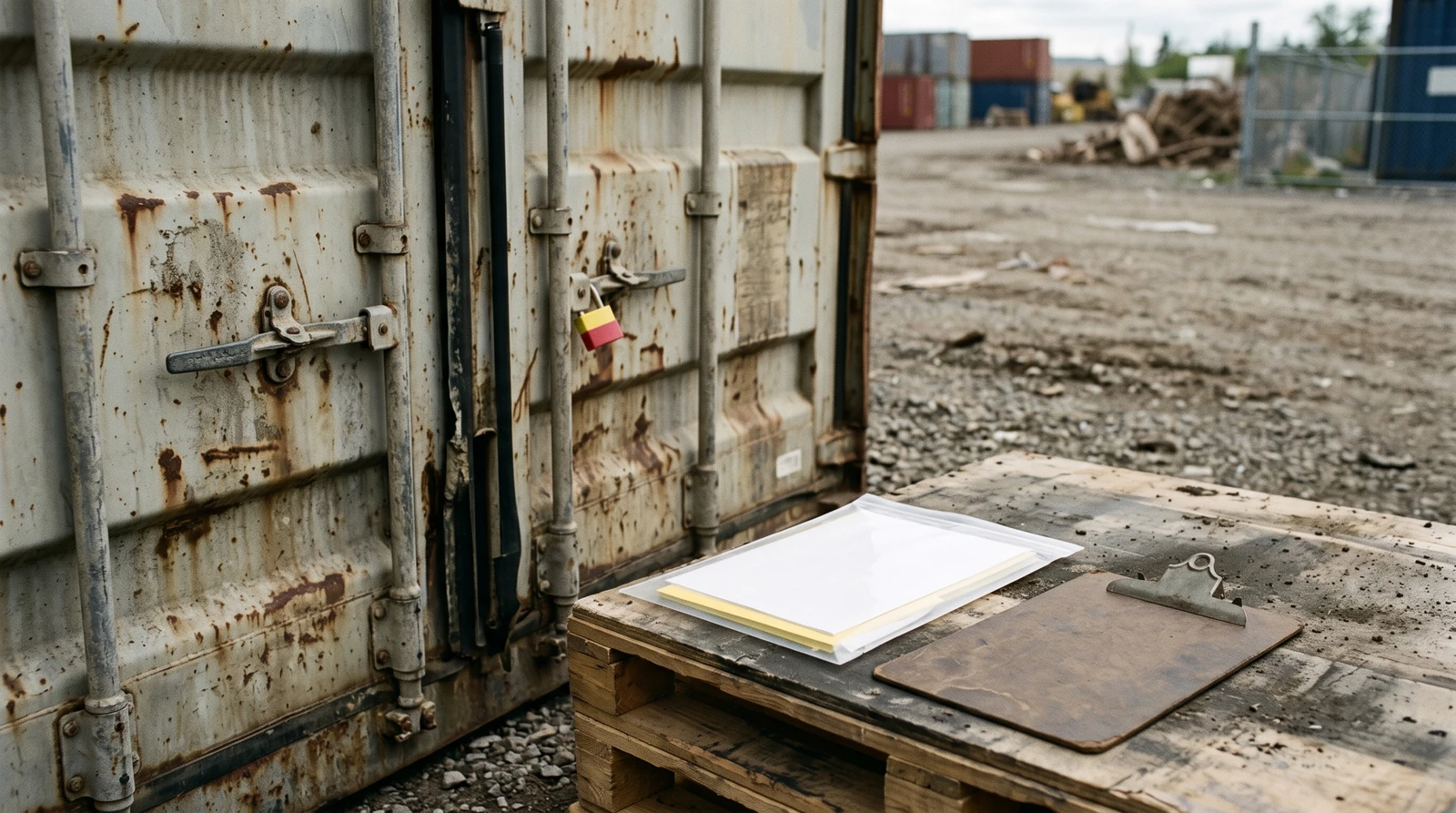
Arrange with the container provider and loading team to check the unit’s condition, cleanliness, doors and visible signs of damage or water entry. Report concerns before putting goods inside. Do not load wet furniture, damp cartons or materials that have not been prepared for the journey.
Choose packaging for the actual goods
Ask the product supplier or a competent packaging provider about suitable protection. A generic wrapping method or moisture-control product may not fit every load. A dry container is not temperature-controlled equipment. Declare goods requiring specific environmental conditions before deciding whether this transport method is appropriate.
Keep a condition record
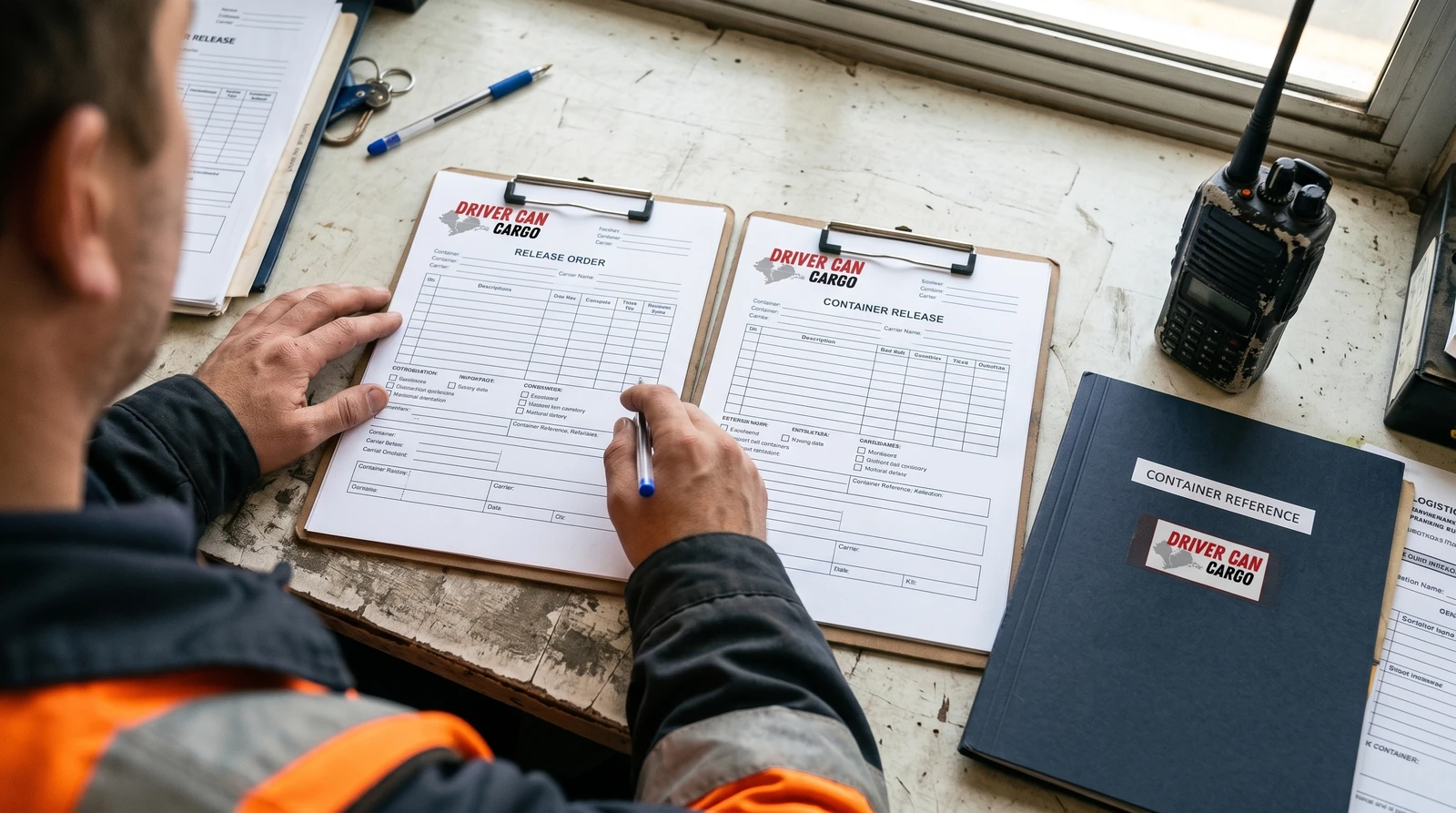
Photograph the goods and packaging before the doors close and keep the packing list accessible. At destination, arrange prompt receiving and record any visible concerns through the agreed process. Discuss the commercial responsibilities and applicable coverage directly; this article does not promise cargo insurance or damage-free transport.
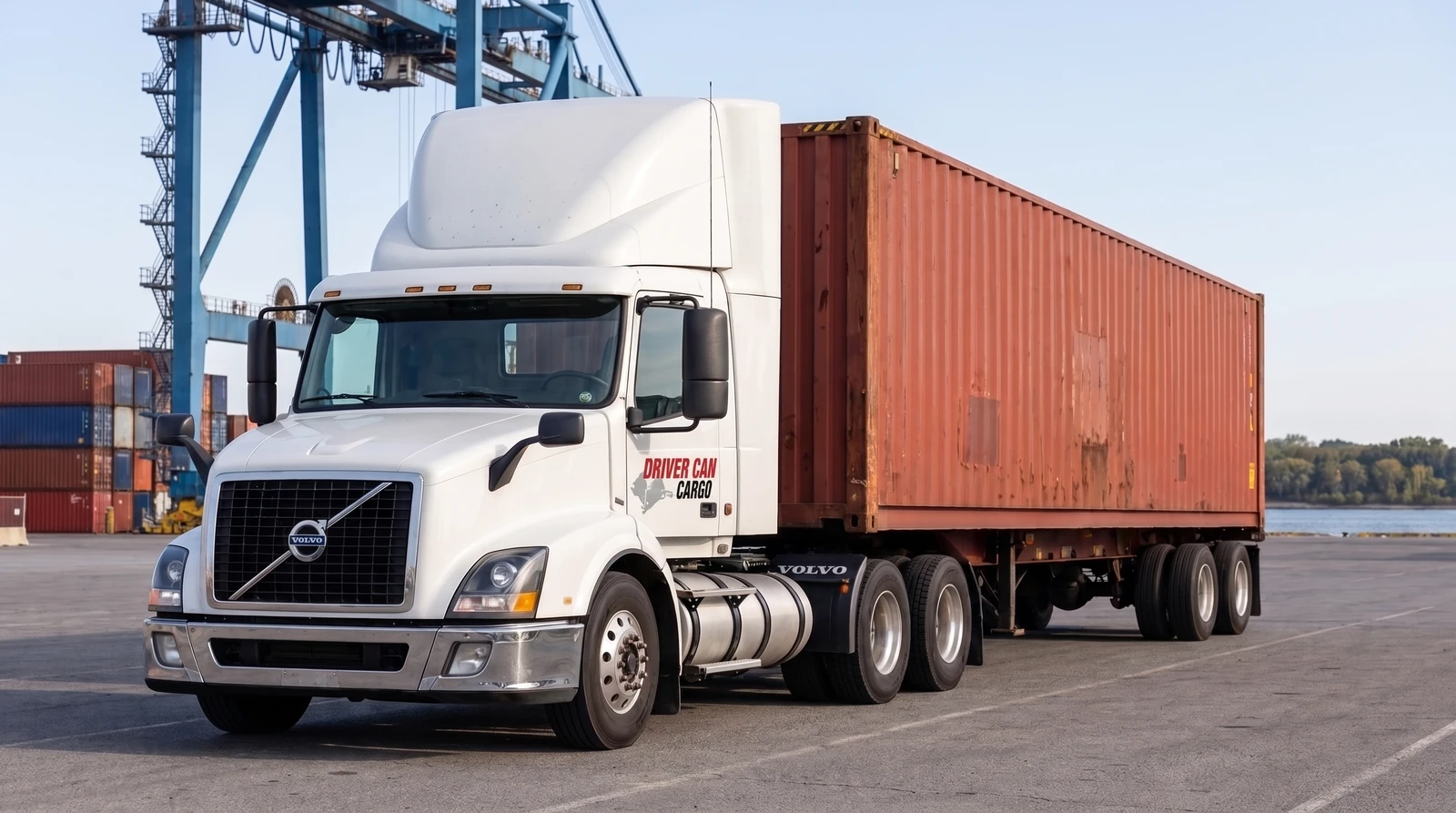
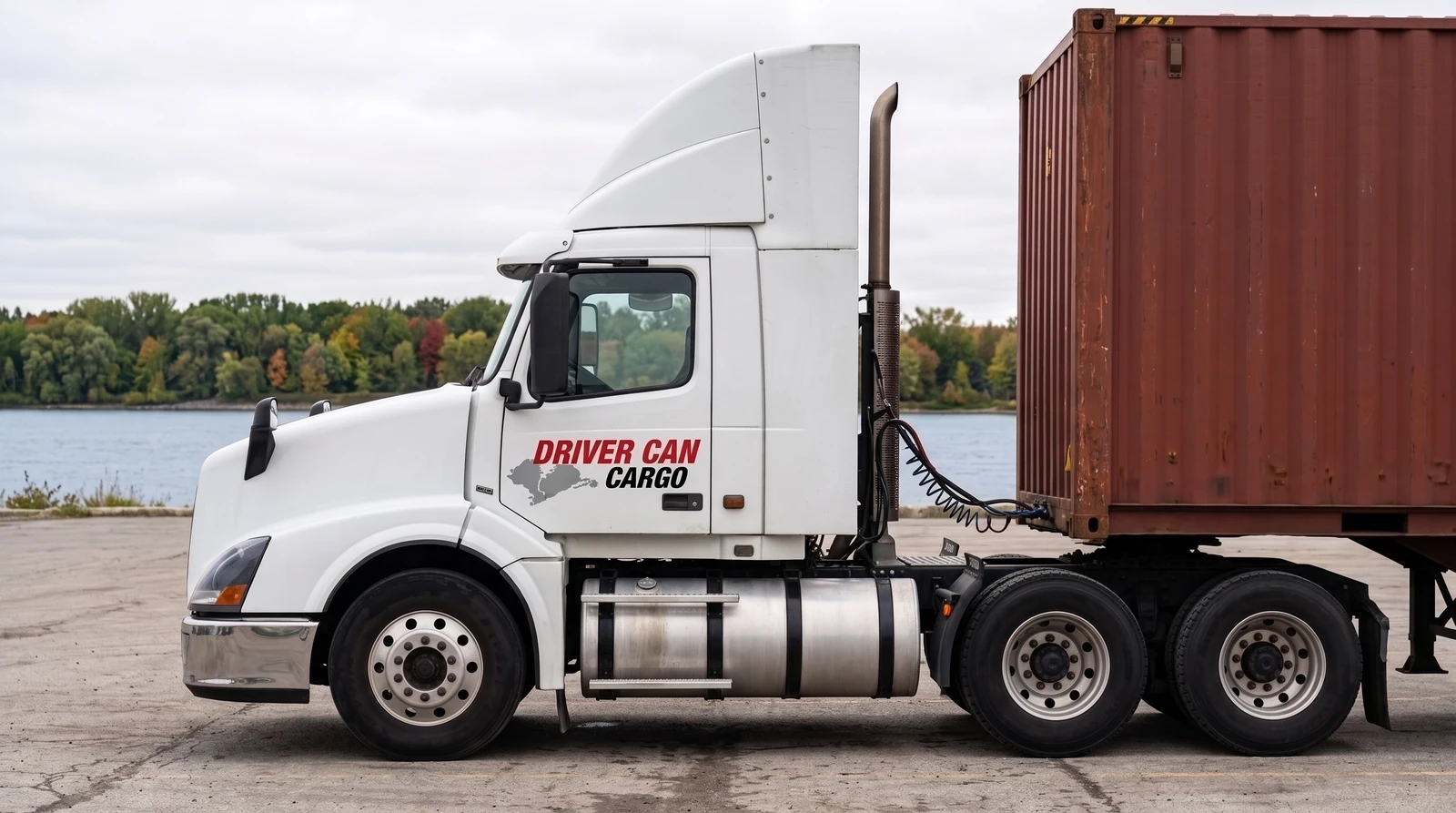
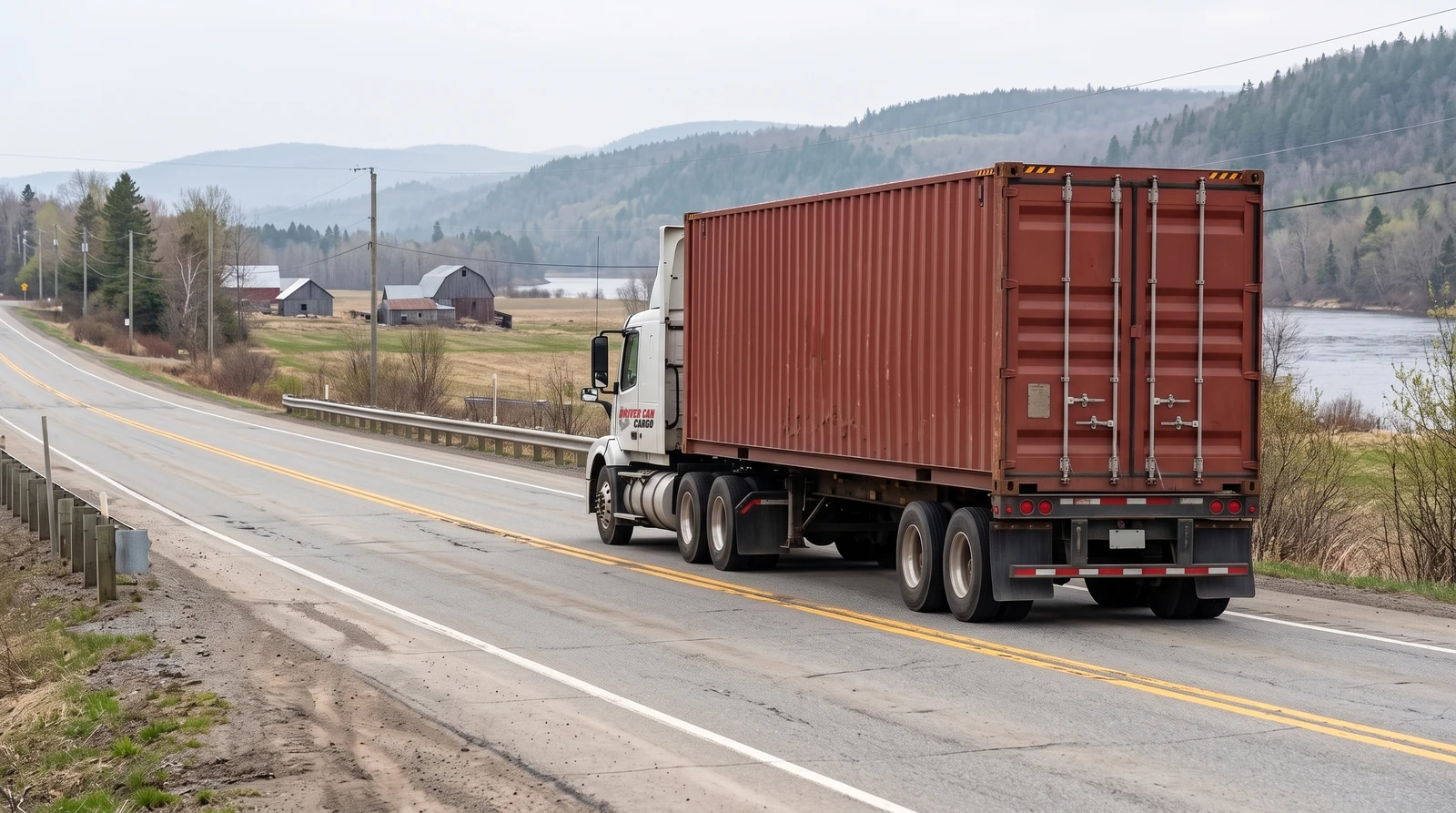
Driver Can Cargo reviews the container road move. The customer arranges appropriate packaging, loading and unloading and must disclose special cargo requirements when requesting a quote.
Plan your route
Share your addresses, dates and loading and receiving arrangements.
Start a move request →