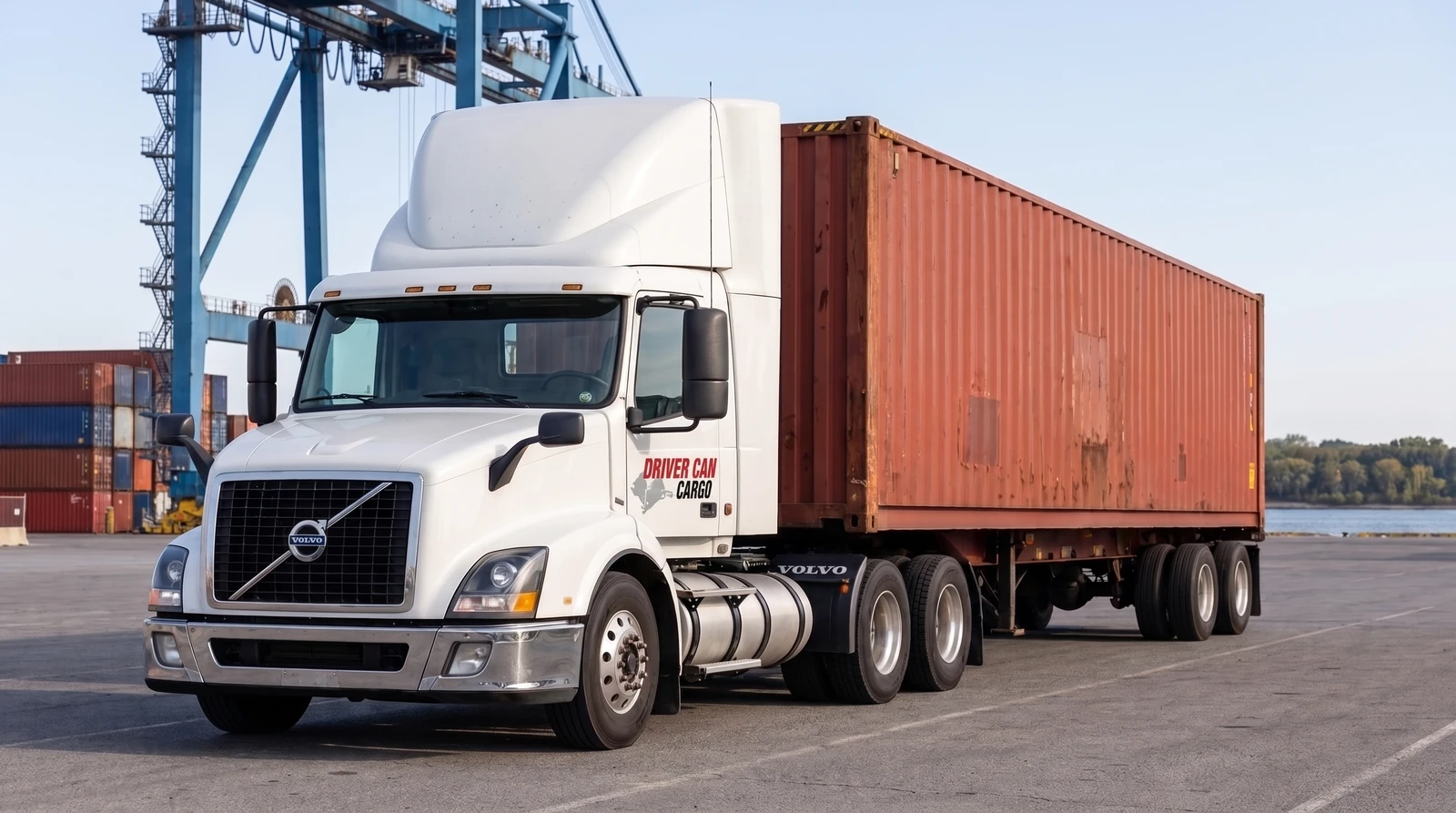
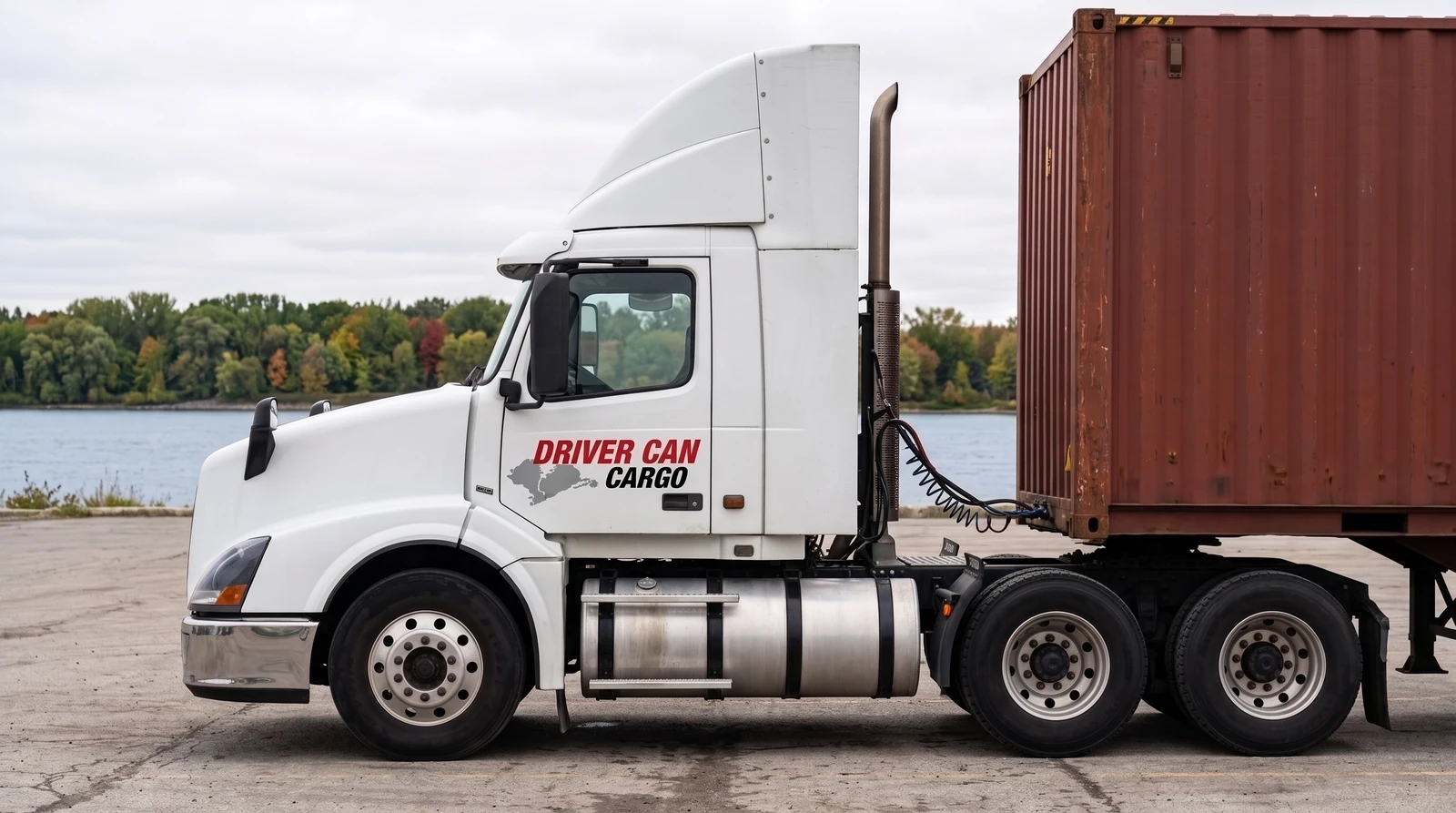
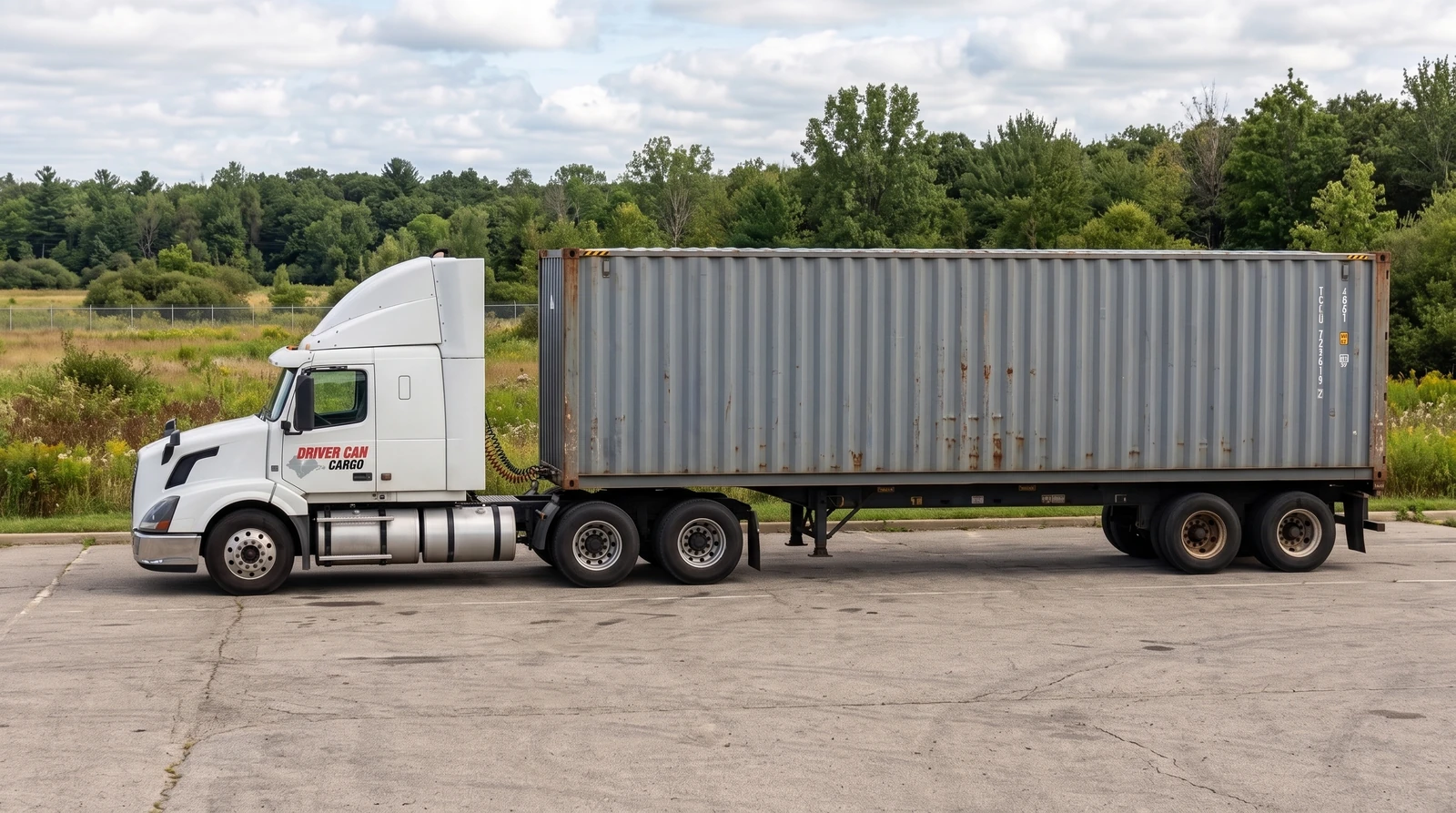
A live load means the vehicle remains while the customer’s team loads or unloads the container. Leaving equipment for a later collection is a different arrangement. Neither option should be assumed from the word “delivery.” Ask what is actually available for your shipment.
Estimate the handling time
Tell the carrier the quantity of goods, loading method, number of available workers and site hours. Make sure the labour and equipment are ready before the vehicle arrives. Ask how waiting is measured and which conditions would require a revised quote. Do not invent a loading time to obtain a lower price.
Separate the possible equipment arrangements
Leaving a container on a chassis, leaving a chassis and placing a container on the ground require different equipment and site permissions. Confirm which, if any, can be offered. Ask the container owner about its return deadlines and any restrictions on where the unit may remain.
Put the operating plan in writing
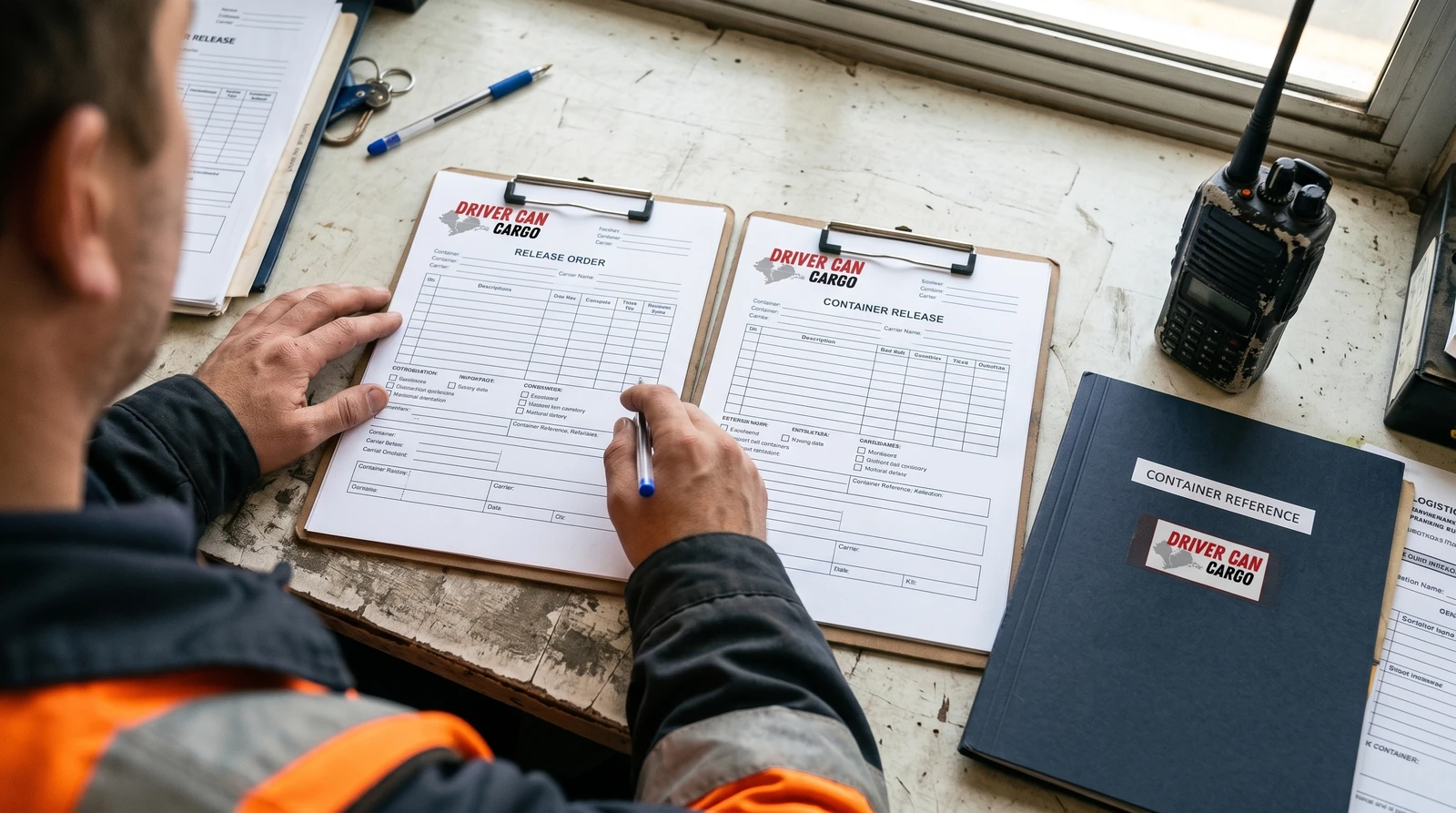
Record arrival window, loading contact, expected readiness and the action if the site cannot receive. Confirm the pickup plan for any equipment left behind. A private site’s permission does not automatically establish that the ground and access are suitable for the load.
Driver Can Cargo reviews the road transport request individually. Confirm equipment supply, placement and any storage arrangements with the relevant provider. Coordinate the arrival window with your loading and receiving teams.
Plan your route
Share your addresses, dates and loading and receiving arrangements.
Start a move request →