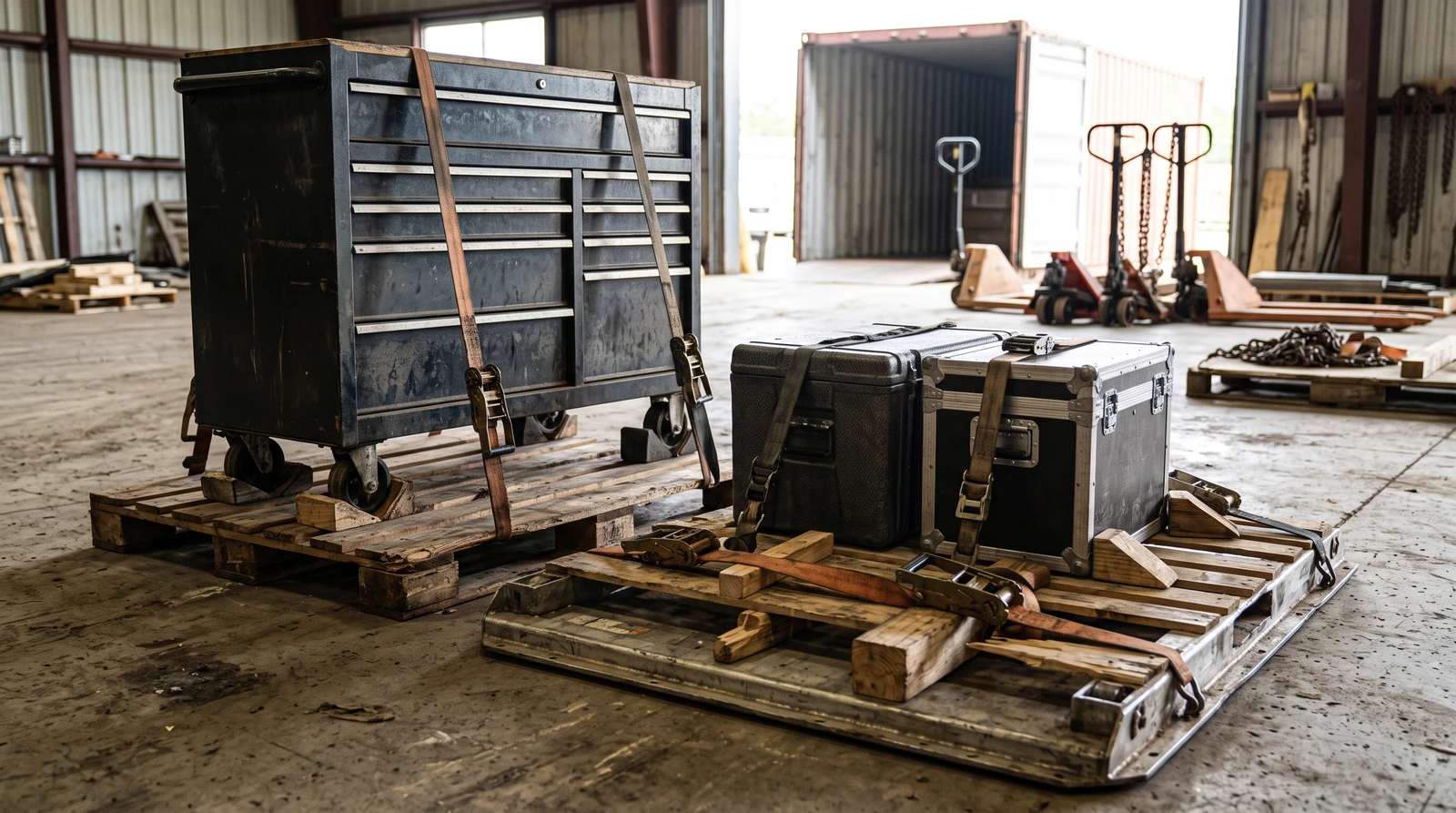
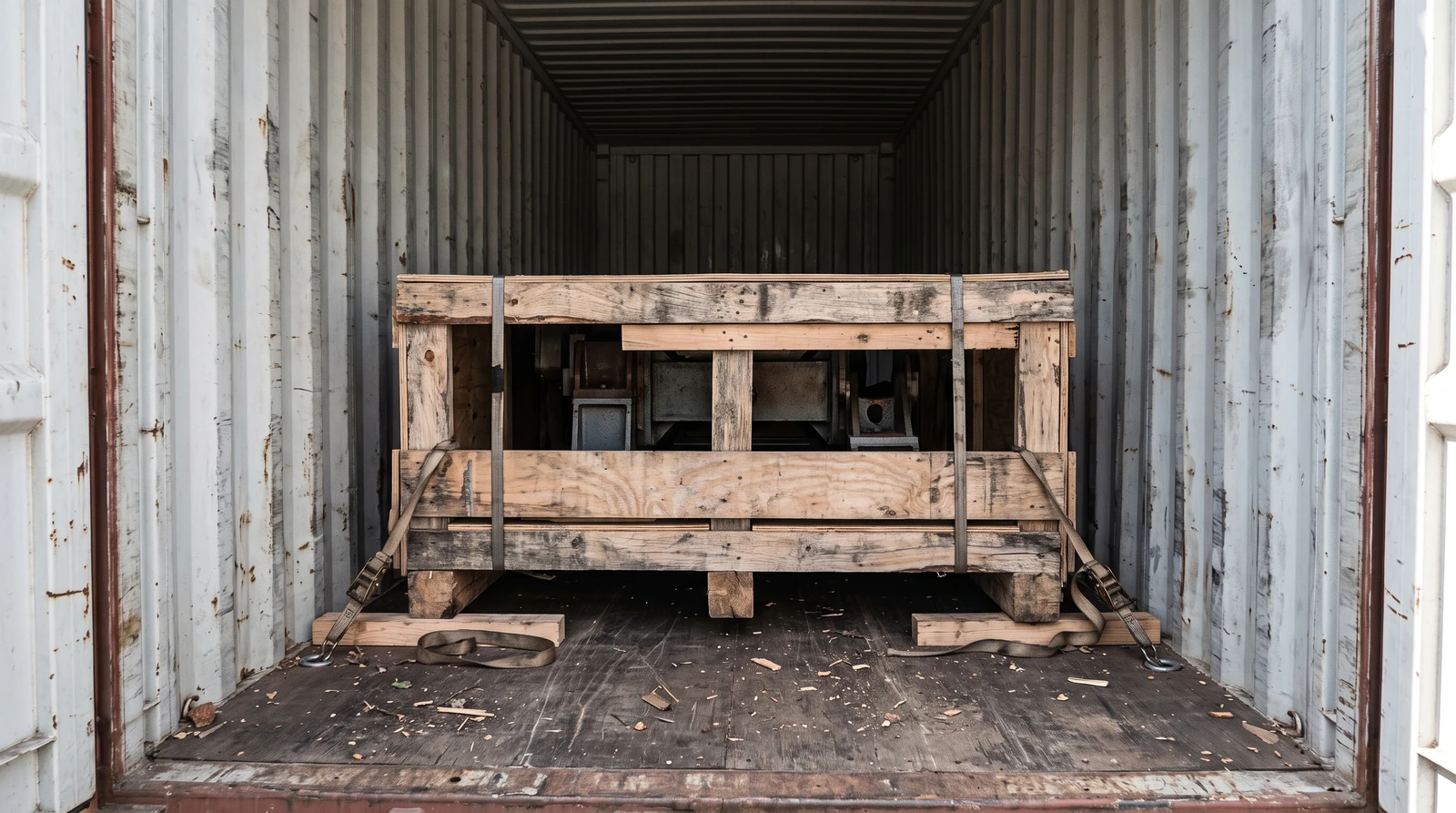
Building materials can be bulky, dense or both. Plan the load from the actual product list rather than how much empty floor space remains. Tile, stone, metal fittings and other dense products can reach a transport constraint well before a container looks full.
Create a material schedule
List quantities, packed dimensions and weights by product group. Separate fragile finishes from heavy items and identify products that cannot tolerate moisture or temperature changes. Ask your supplier or loading contractor to select suitable packaging and restraint. Declare paints, solvents, aerosols or other products needing special review before transport is accepted.
Check the delivery setting
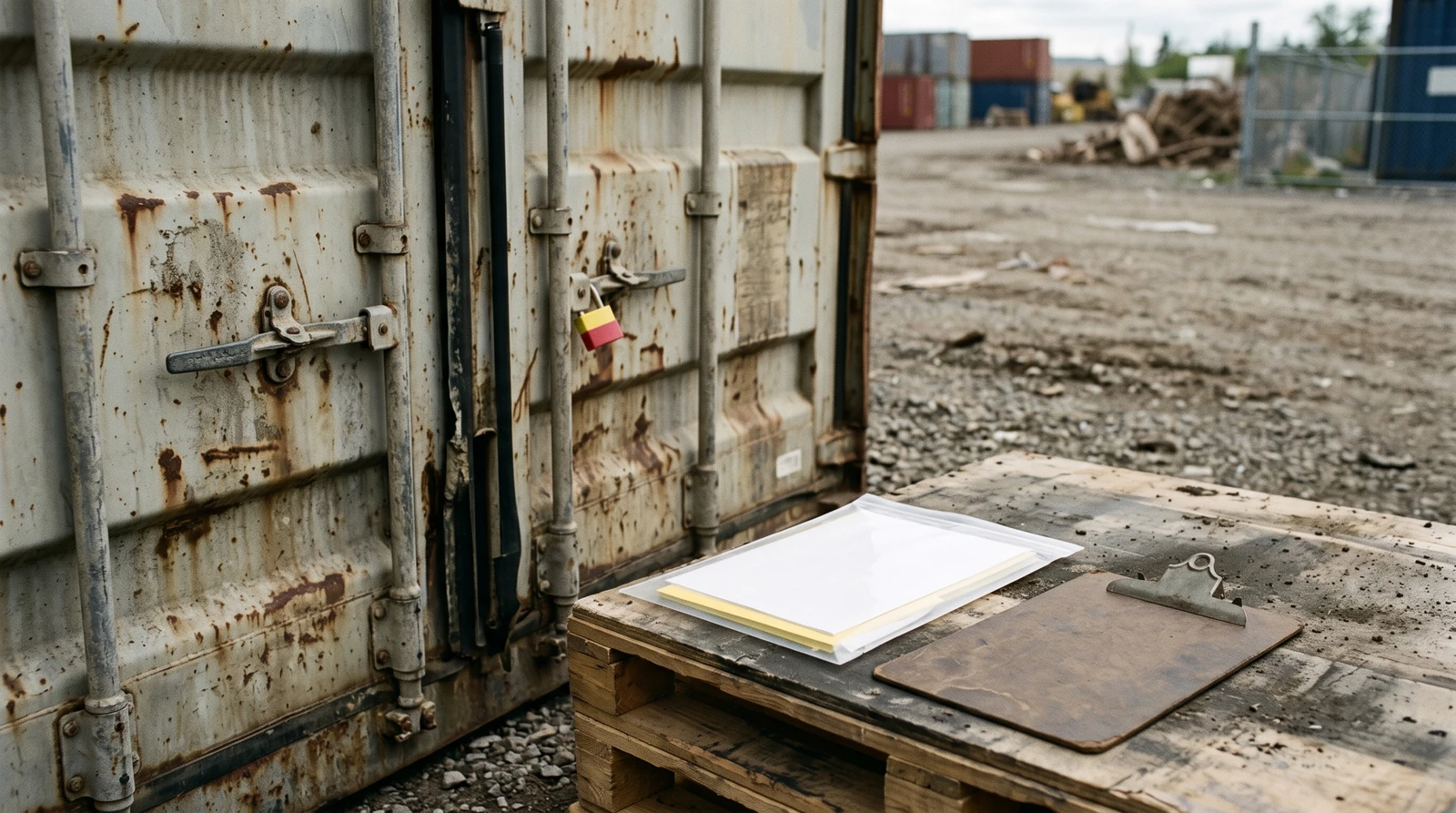
A construction address may not have a finished yard or a suitable unloading area. Confirm road access, ground condition, overhead obstacles, turning space and who controls site entry. Have the responsible people review the actual vehicle approach. Do not assume a container truck can use an unfinished driveway.
Arrange labour and equipment
Confirm who unloads and with what equipment. Coordinate the transport with your site handling team and its chosen unloading equipment. Match the arrival window to the crew and site access rather than simply the construction start date.
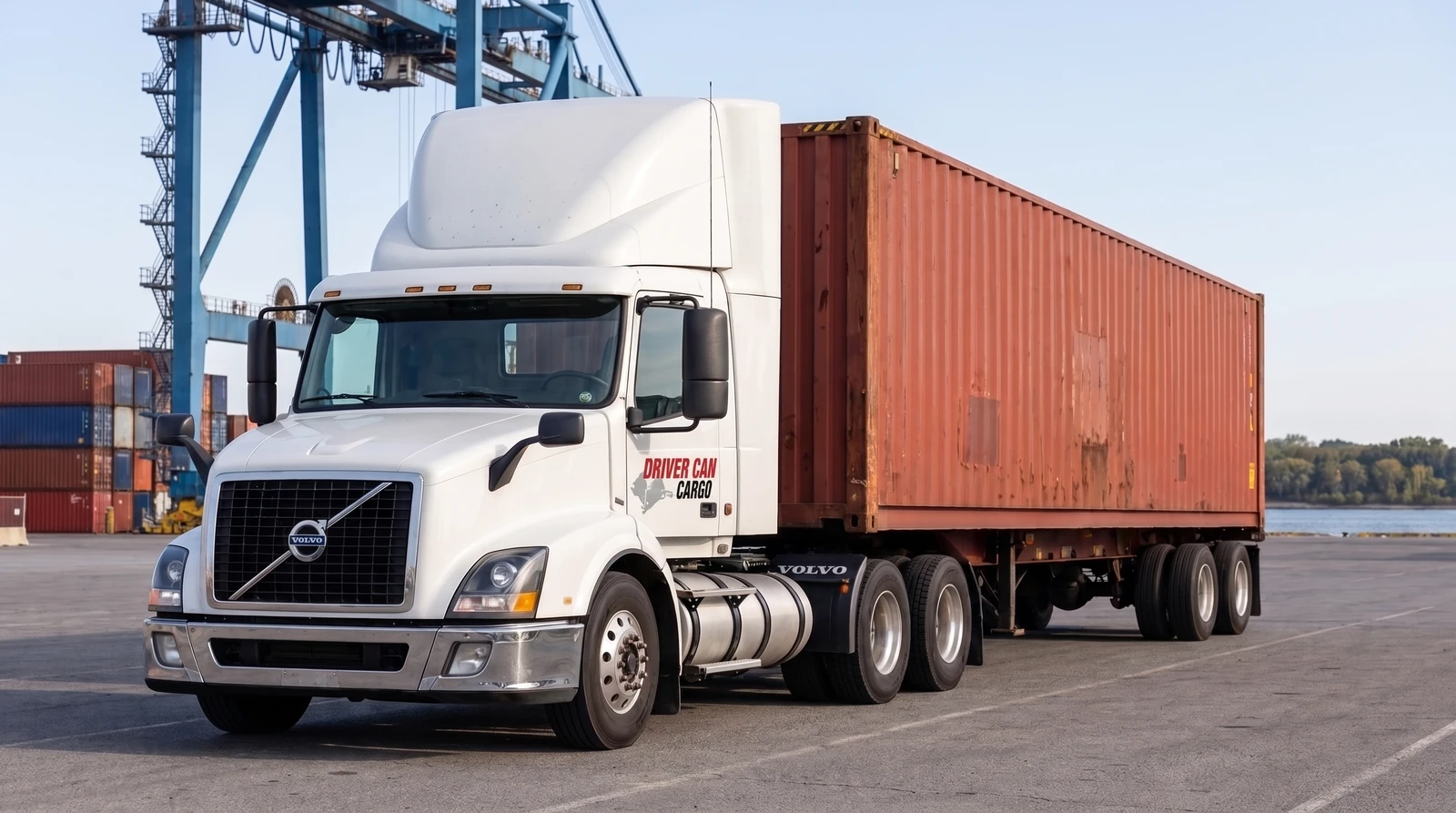
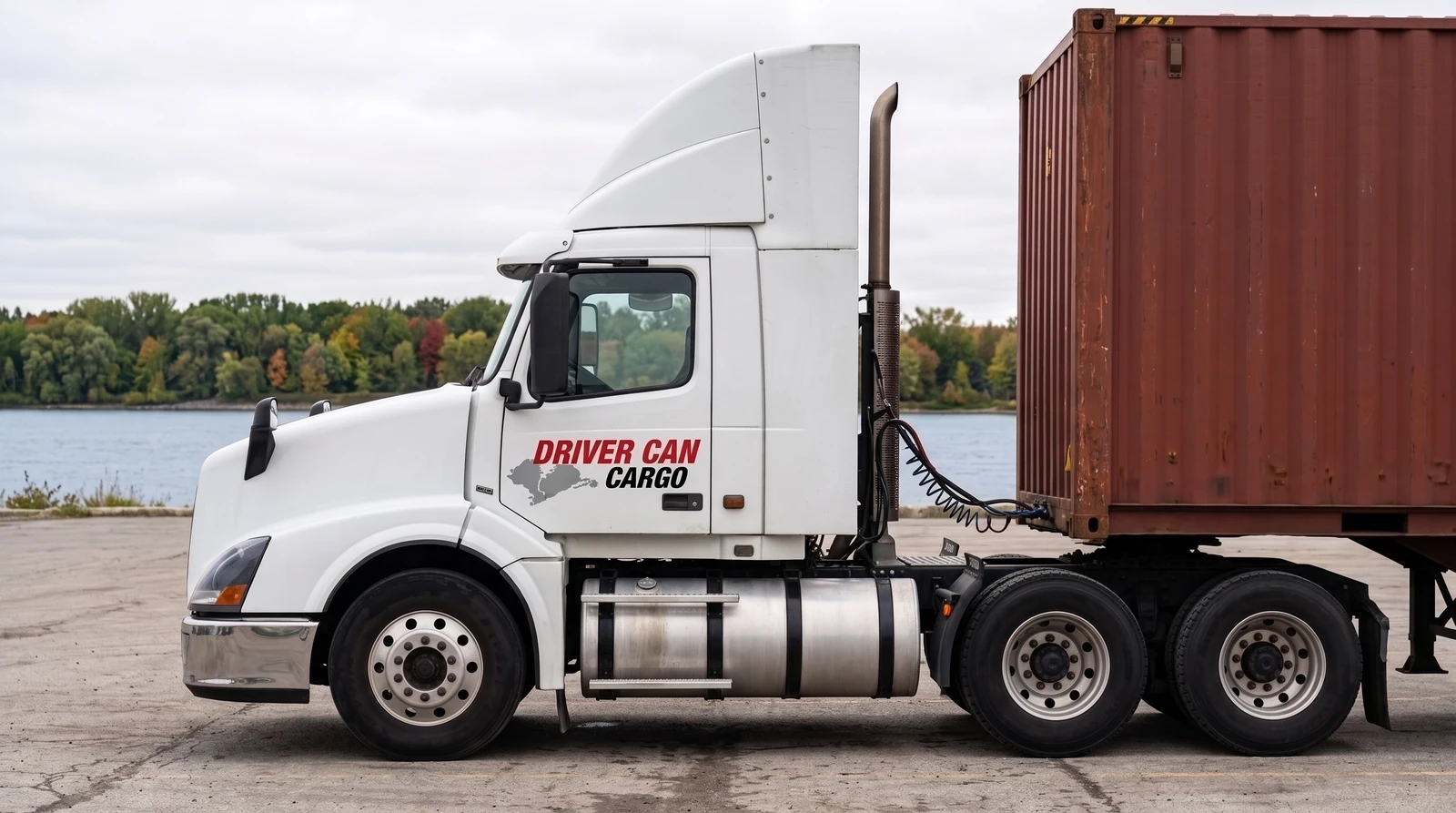
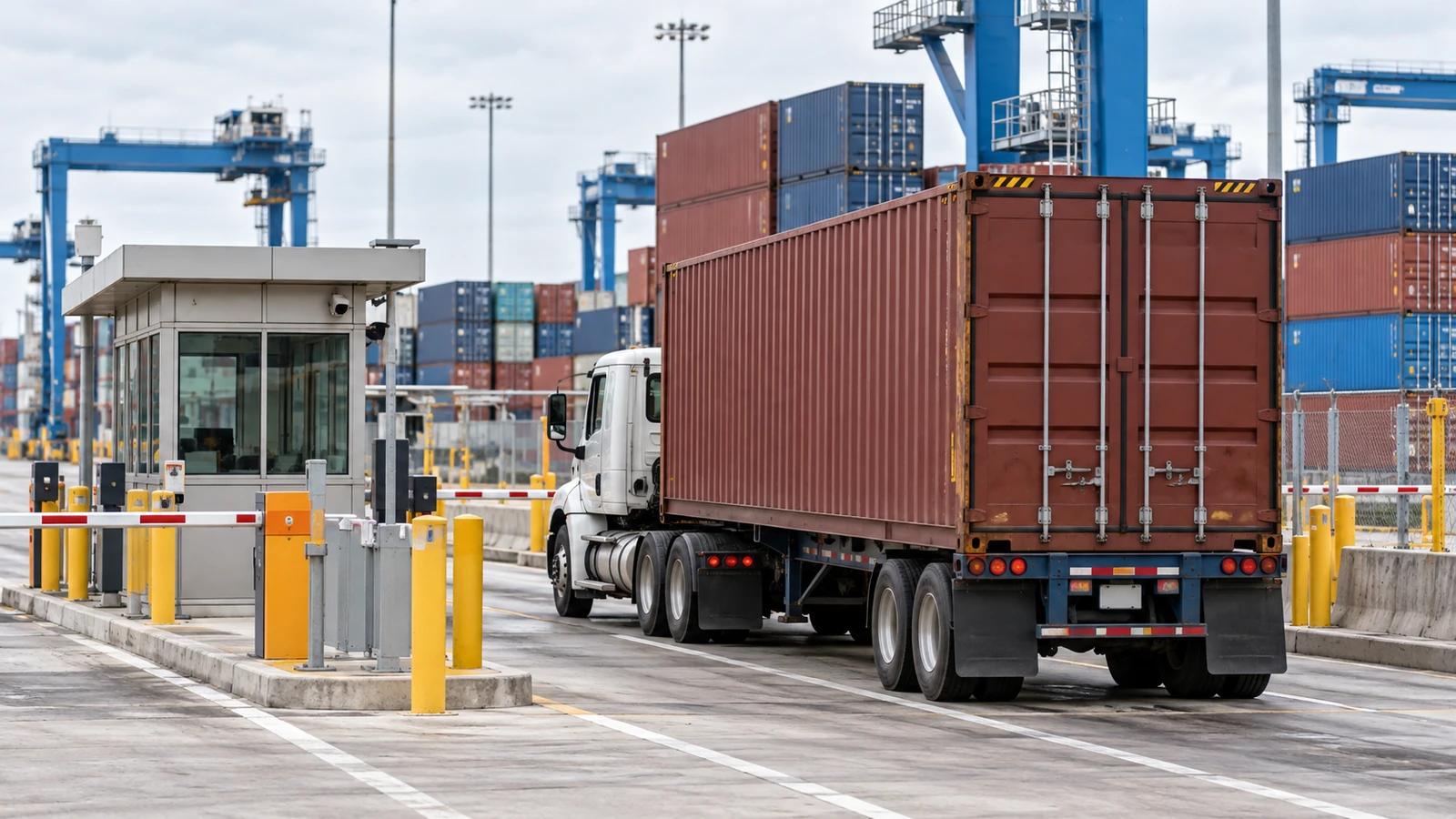
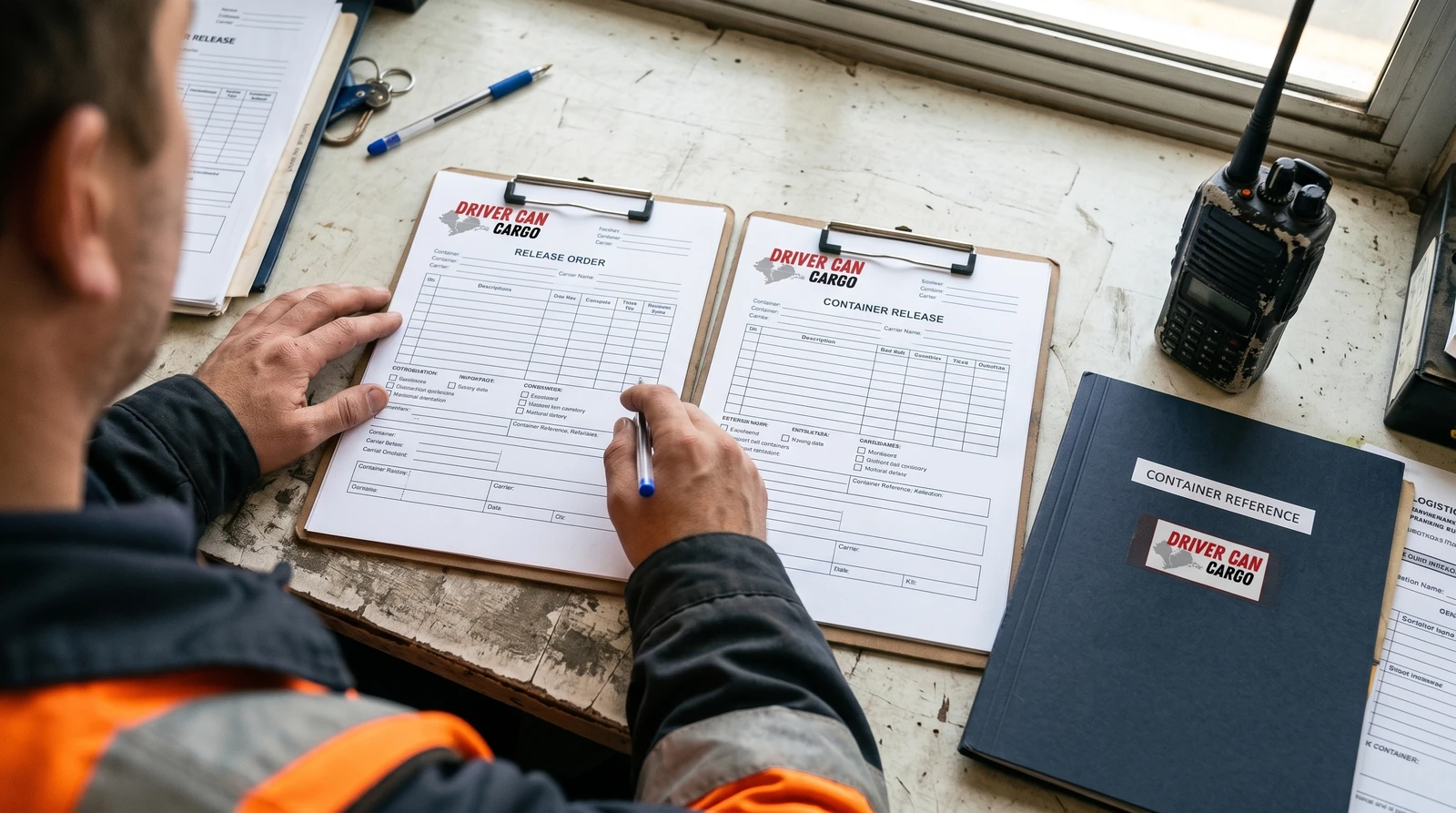
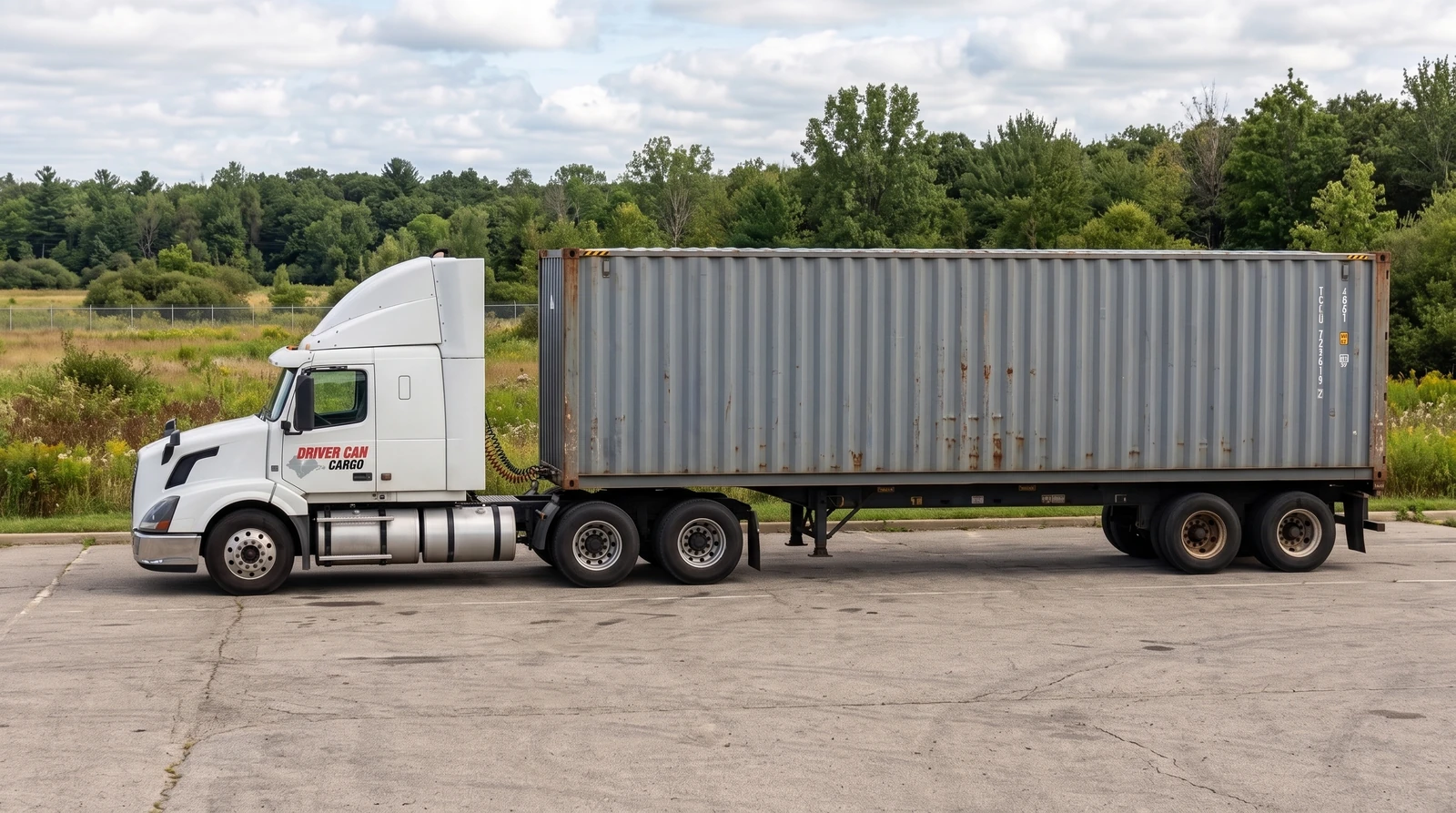
Driver Can Cargo can review a dry-container road move for eligible goods. Send the exact addresses, estimated loaded weight and requested dates. Coordinate the transport with your container provider and loading team.
Plan your route
Share your addresses, dates and loading and receiving arrangements.
Start a move request →