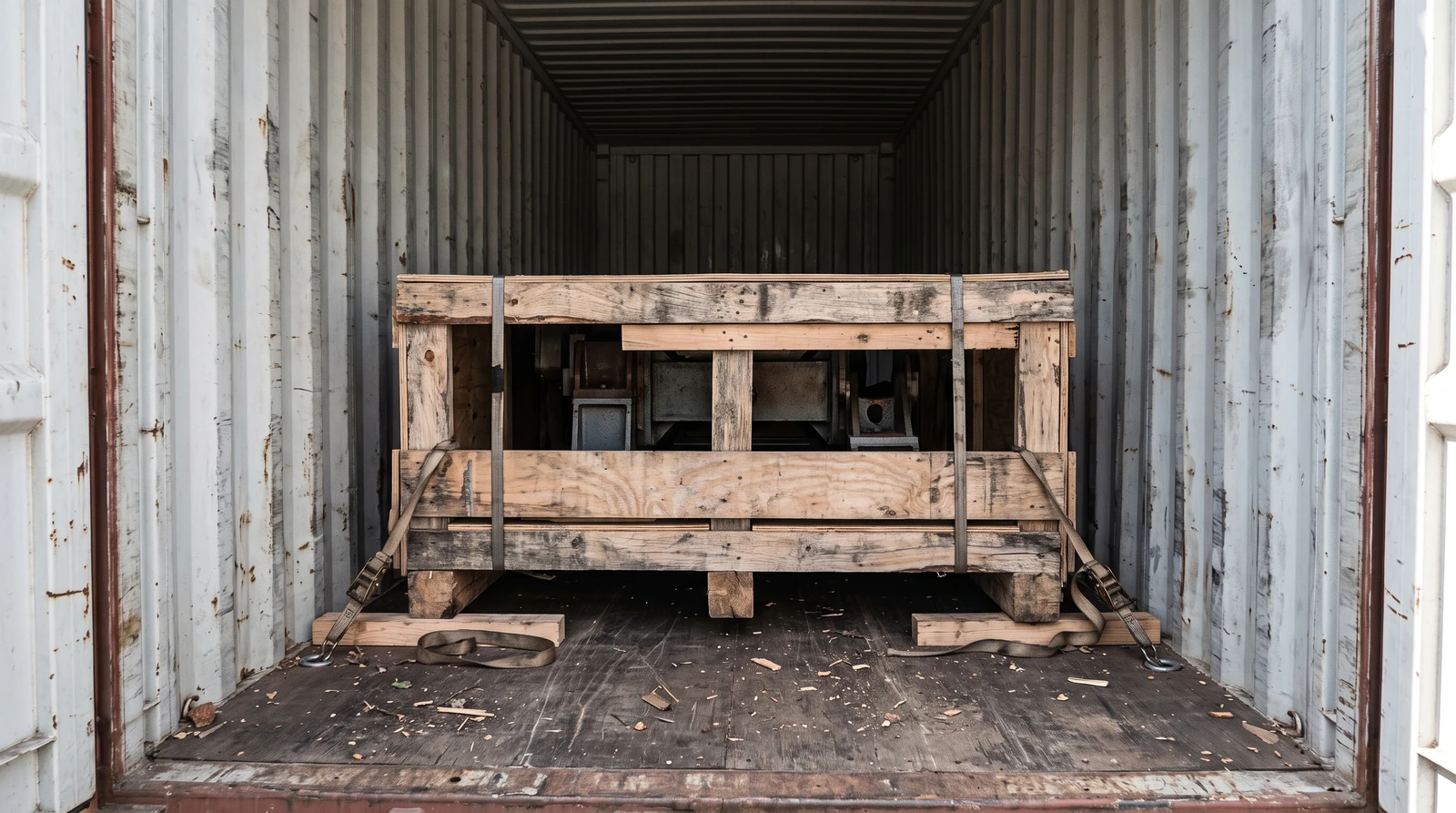
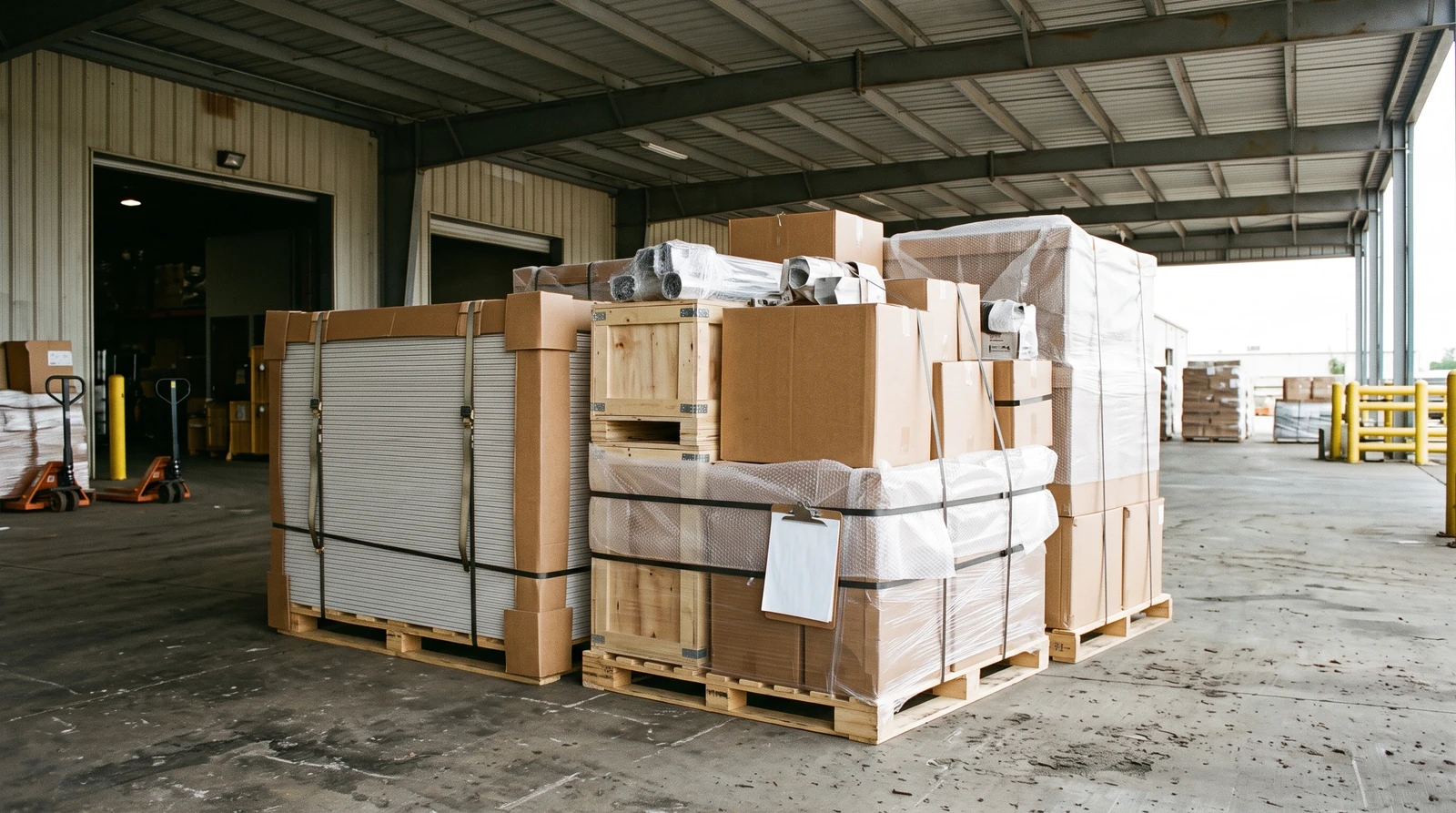
Workshop loads can combine heavy machines, hand tools and small parts that are easy to misplace. Begin with a numbered inventory and record the dimensions and weight of each substantial item. List valuable tools separately so their location remains known through packing and unloading.
Prepare equipment before loading
Have competent personnel isolate and prepare equipment according to its manufacturer instructions. Identify batteries, fluids, compressed gases or other materials requiring special review rather than assuming everything in a workshop can enter the same dry container. Describe those items to the carrier before acceptance; this page does not advertise dangerous-goods transport.
Match handling equipment to the load
Confirm how heavy pieces will move into and out of the container. Share lifting points, packed dimensions and the intended load arrangement with your loading provider. The site needs suitable equipment and people for the work. Confirm suitable handling and placement equipment with your site team.
Make the handoff manageable
Label drawers, accessories and spare parts by their parent equipment number. Photograph the packed condition and keep the item list available to the destination supervisor. Give dispatch the estimated total weight and both site access plans.
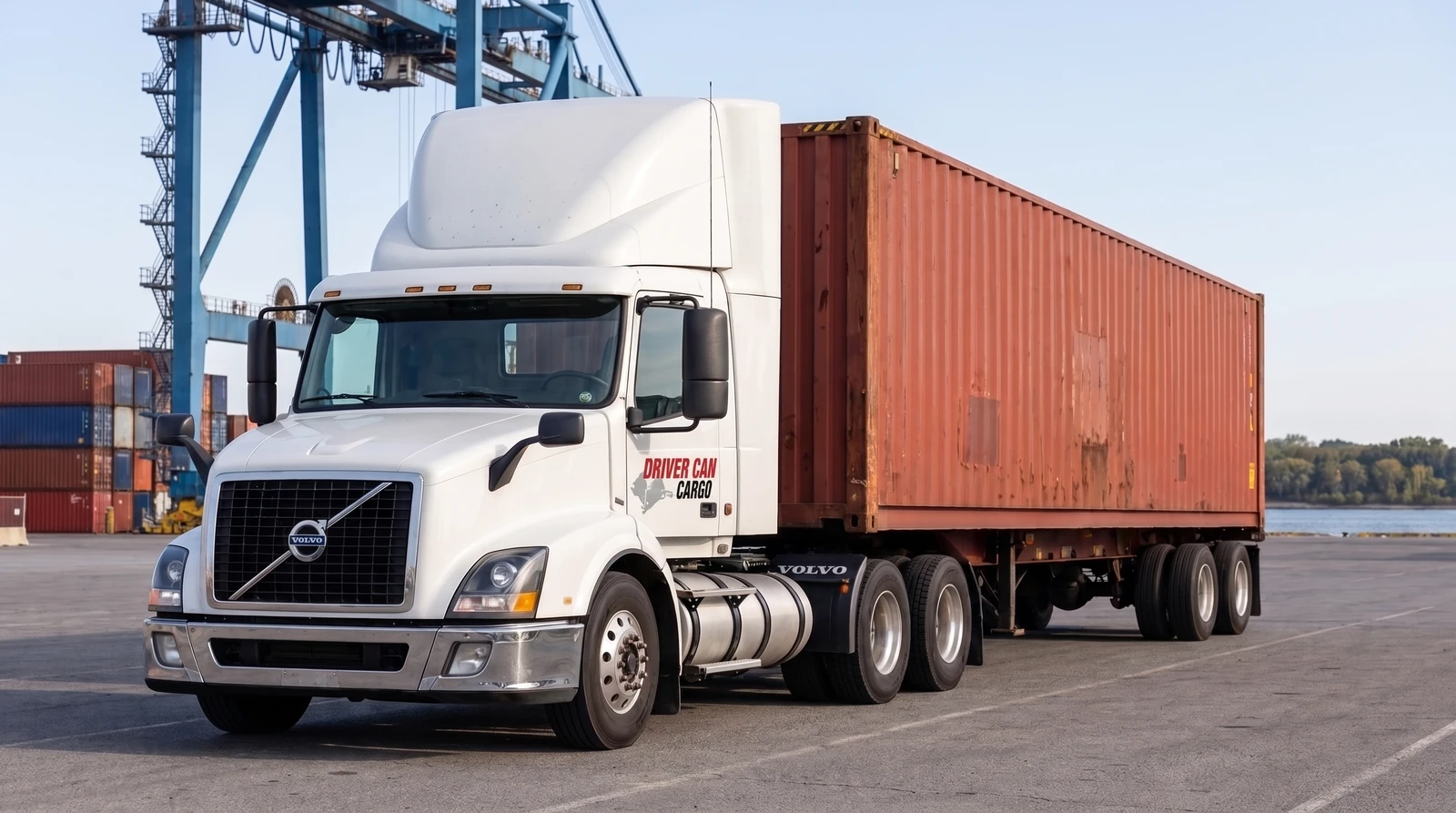
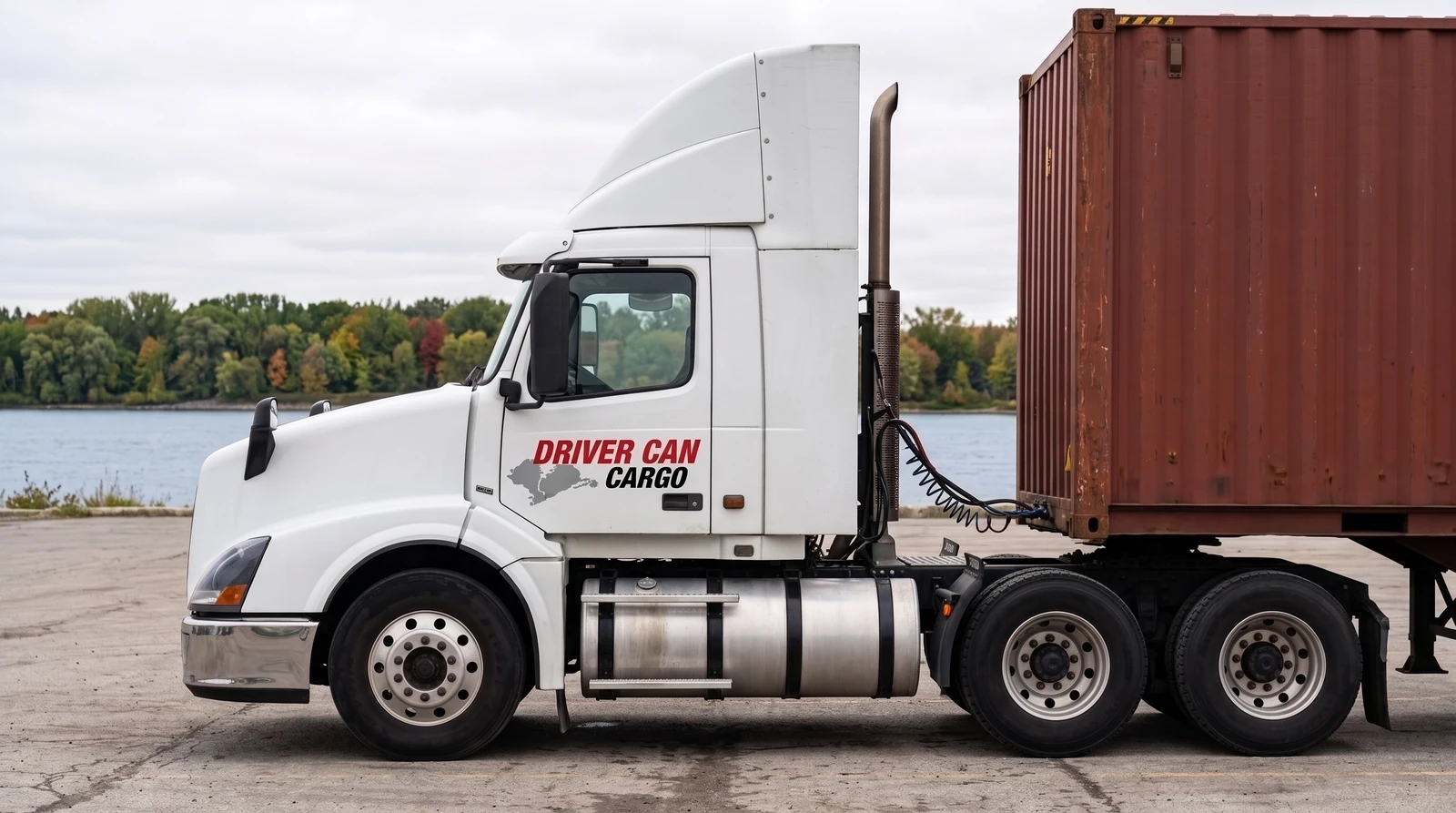
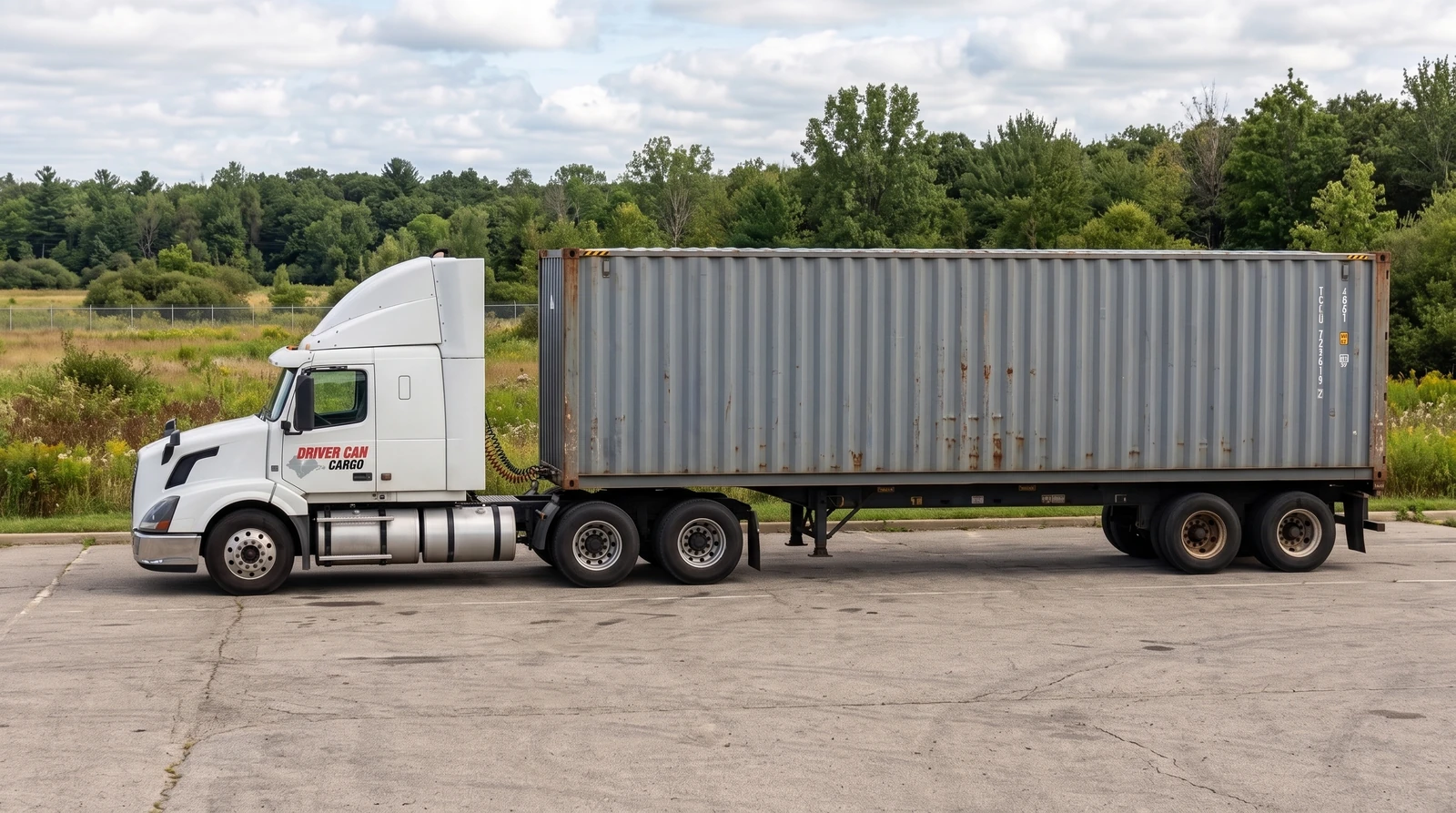
Driver Can Cargo provides the container transport leg after shipment review. Align the road schedule with your workshop preparation and installation teams.
Plan your route
Share your addresses, dates and loading and receiving arrangements.
Start a move request →