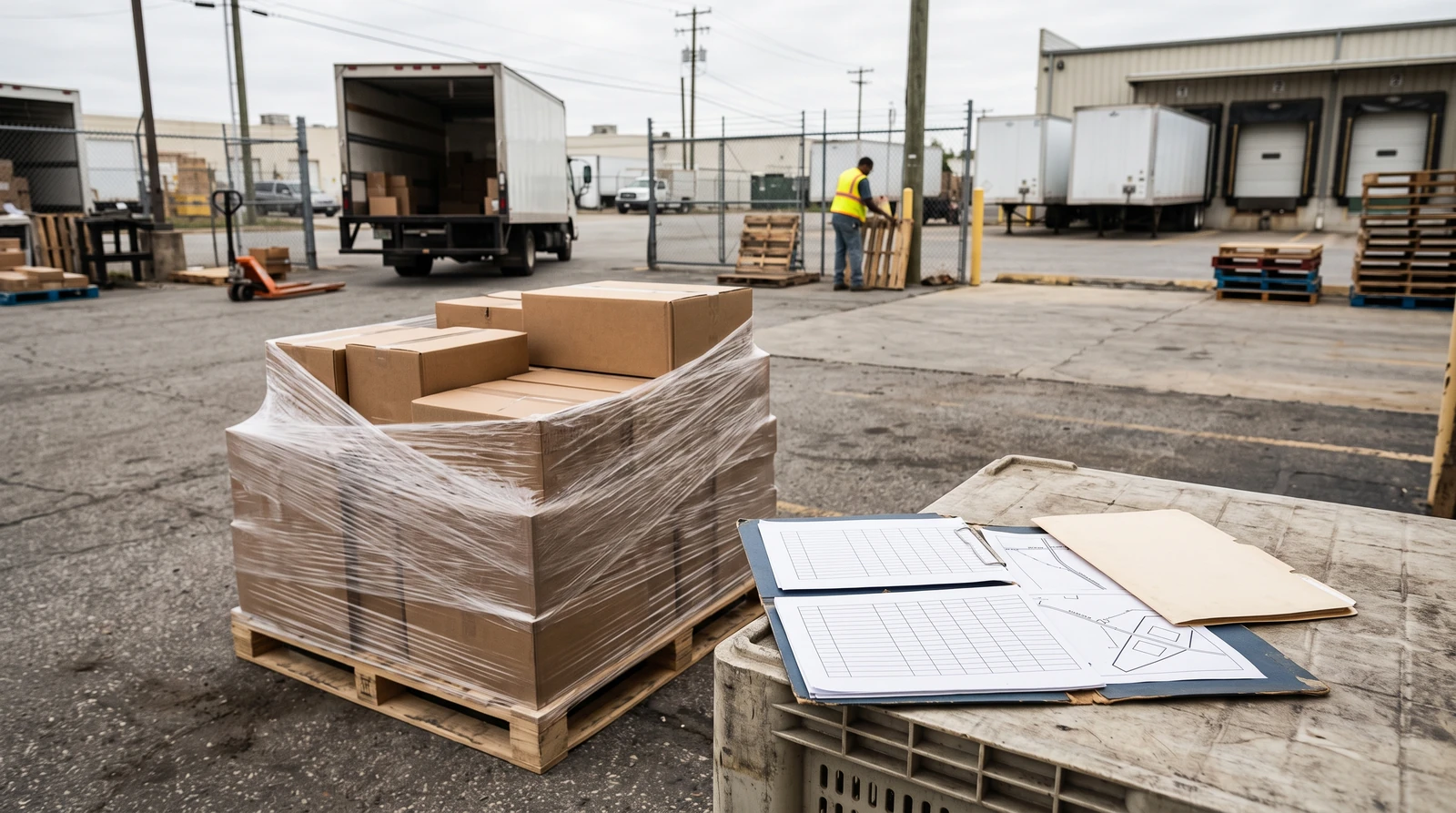
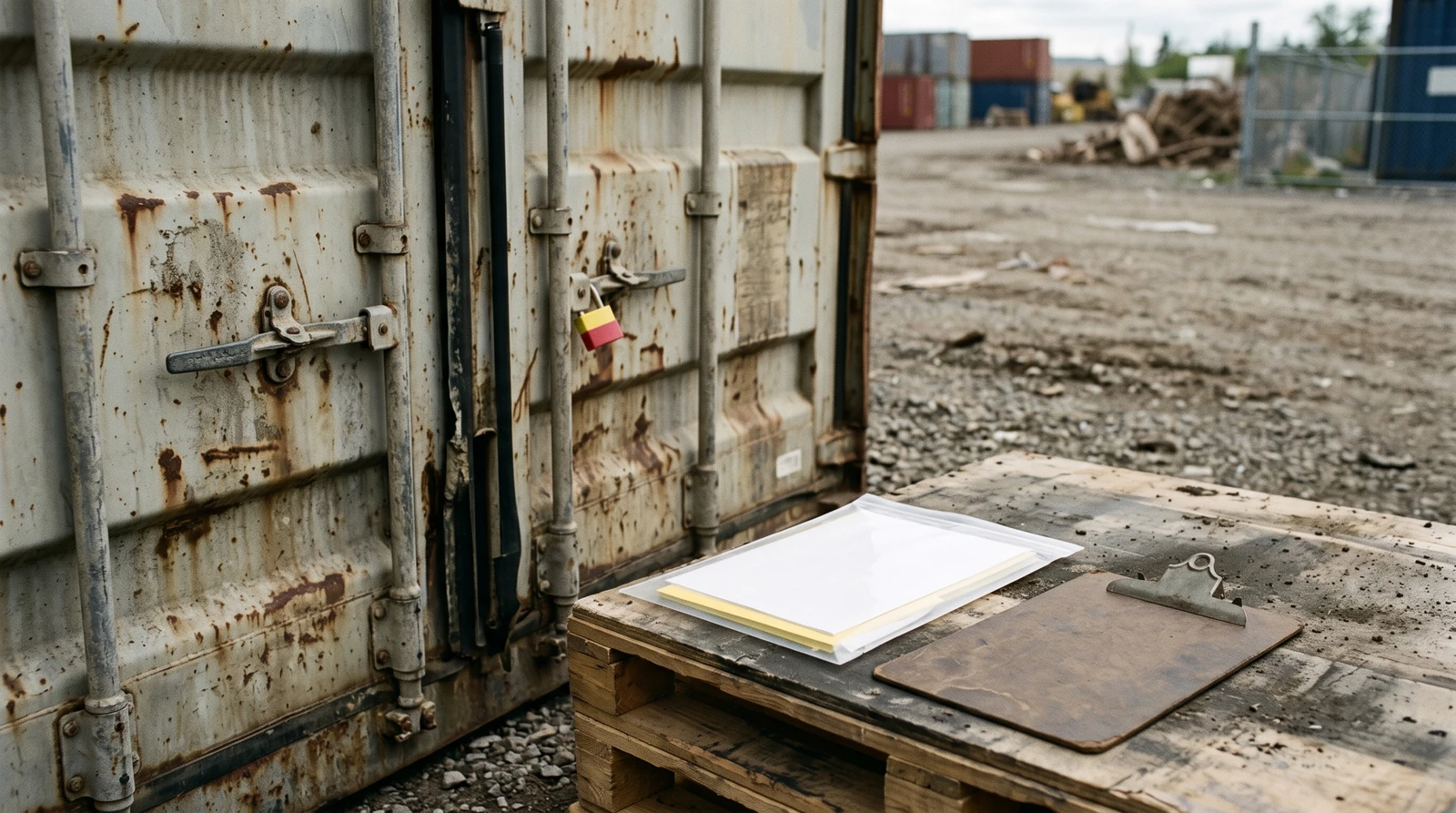
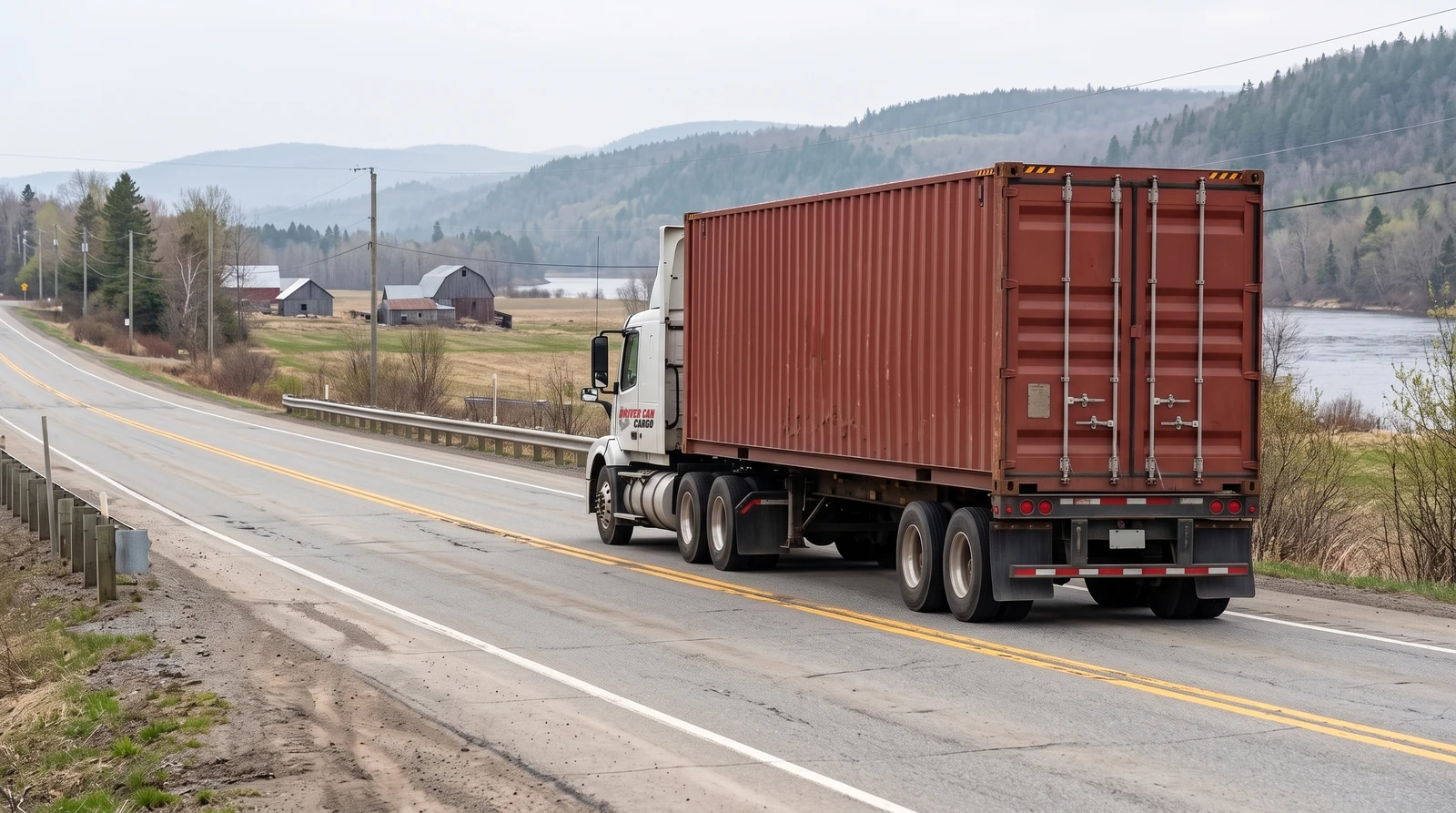
A Coaticook-area address should be accompanied by the entrance actually intended for the tractor and chassis. A receiver’s map note can identify a gate or commercial access that differs from the mailing address. Provide a contact familiar with the site and explain the receiving method before the transport proposal is finalized.
Turn “call on arrival” into useful instructions
Name the person to call, the number provided for the operation and the place where the driver is expected to check in. Confirm that the person will be available during the proposed window. Keep site instructions with the load reference so they remain connected if another dispatcher takes over the file.
Describe the container and both locations
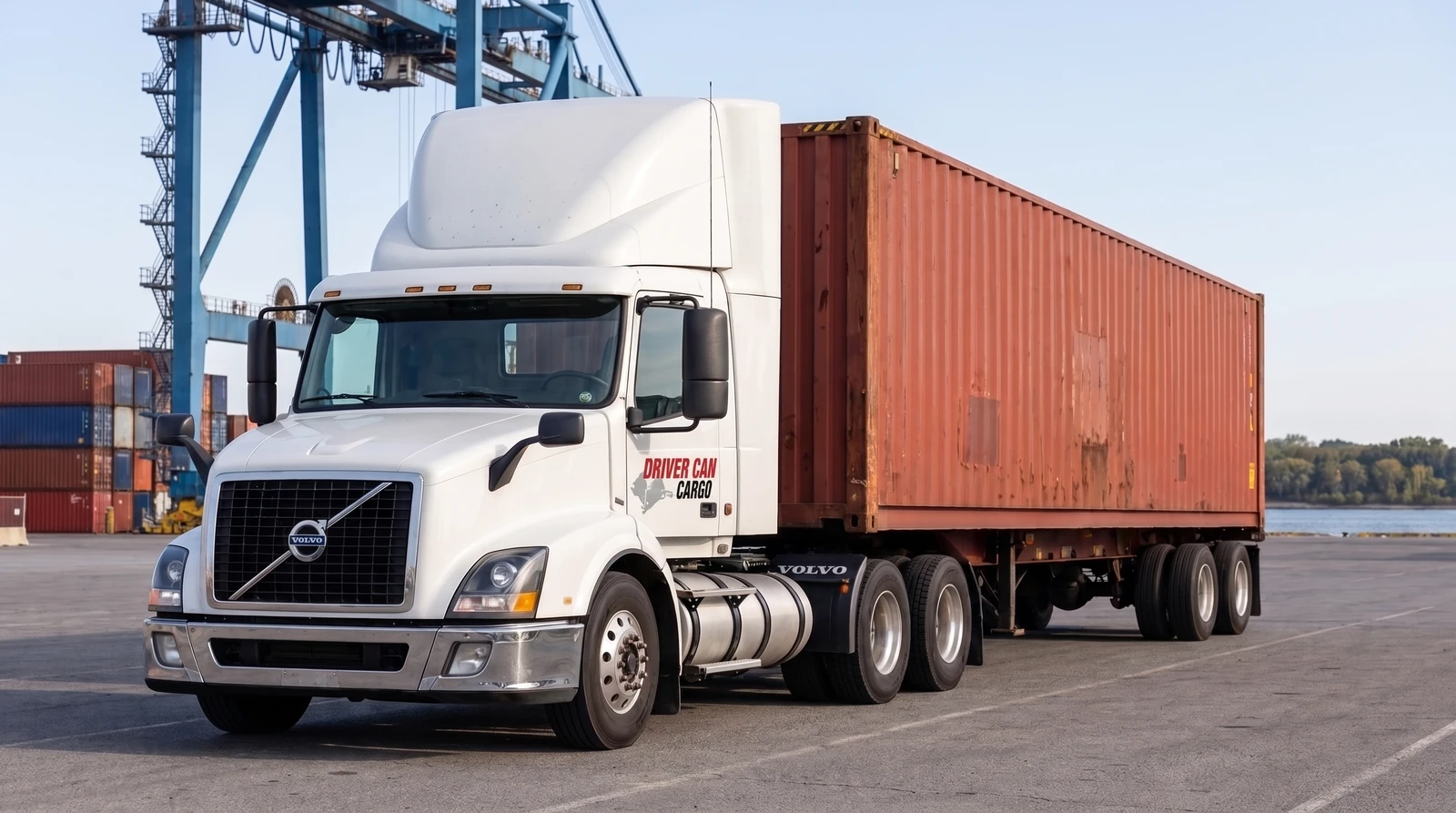
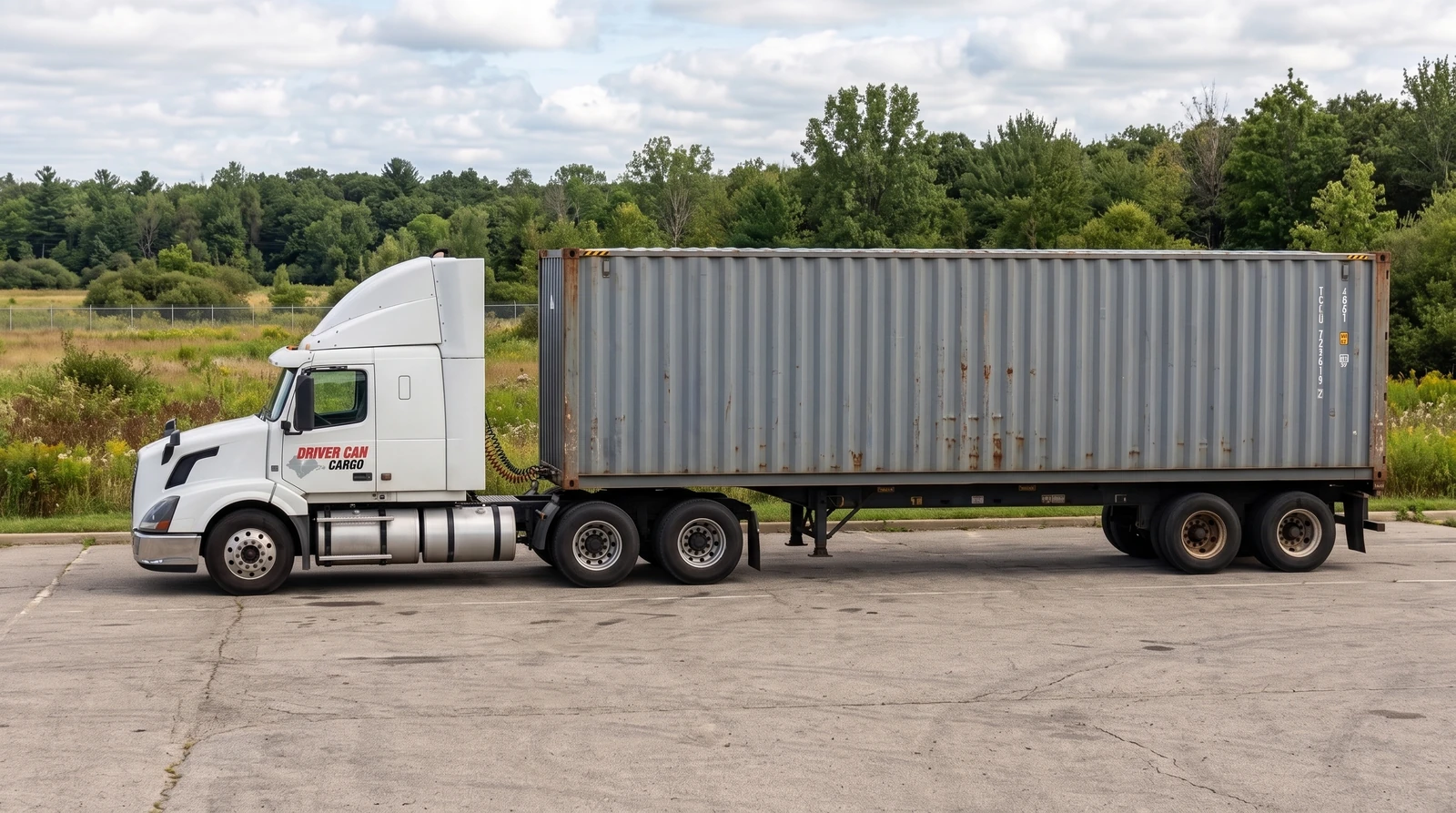
Provide the number and size of the 20- or 40-foot dry container, its loaded or empty status, a cargo description and known weight. Clearly identify any estimate. Include the Québec pickup and delivery addresses, postal codes and operating contacts. “Coaticook” locates the project; it does not replace those details.
Give every team a usable transport brief
- Name the person confirming that the load is ready.
- State the receiving window and the contact authorized to change it.
- Describe the truck entrance and receiving method agreed with your teams.
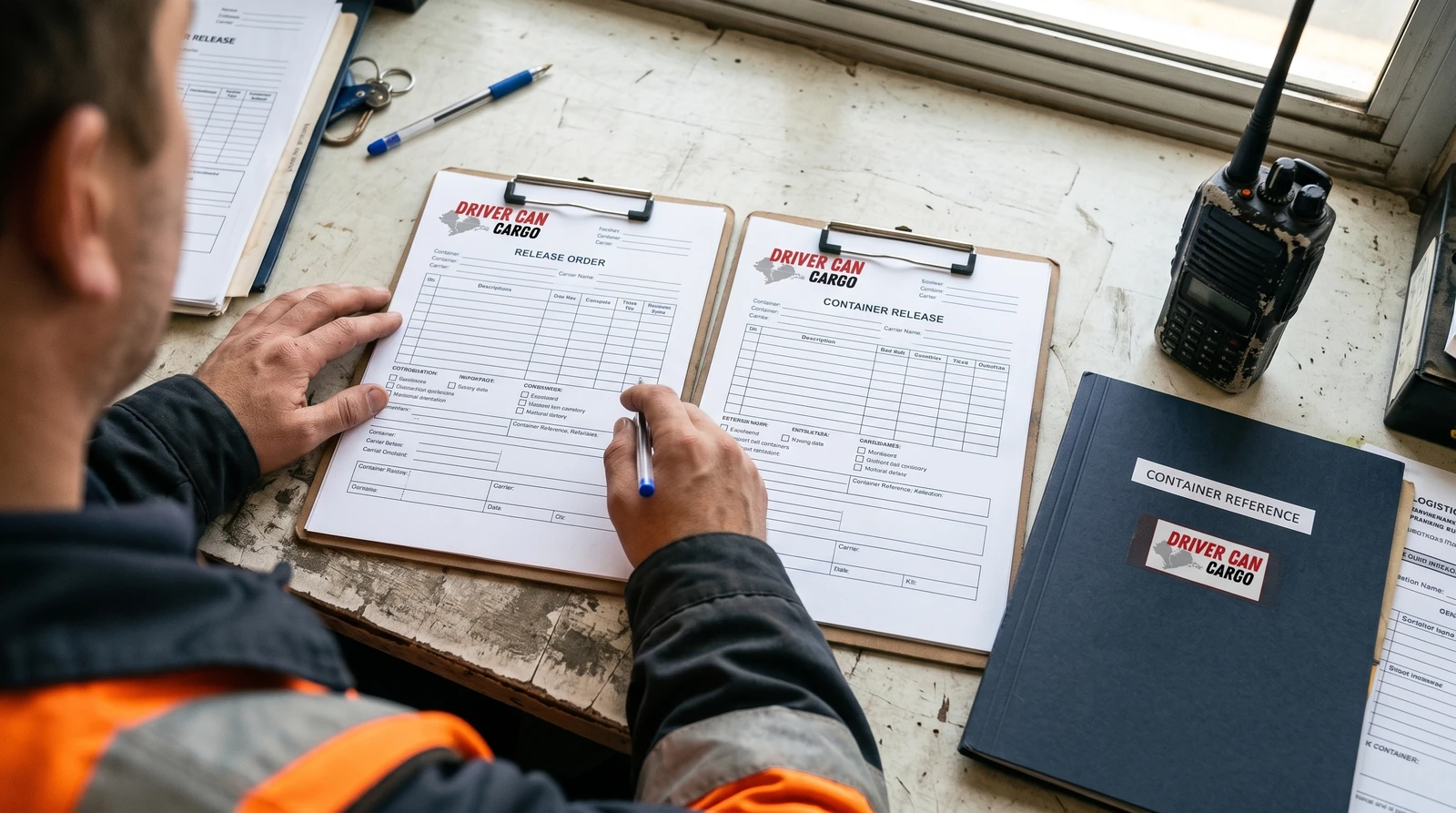
- Keep the container number, customer references and latest instructions together.
- Distinguish requested dates from appointments already agreed.
When the job changes
A new receiving site, revised weight or different container size may change the transport review. Send the correction before dispatch and have the proposal’s assumptions checked. The road schedule is coordinated with the providers you choose to prepare, load and receive the goods.
Take the next step
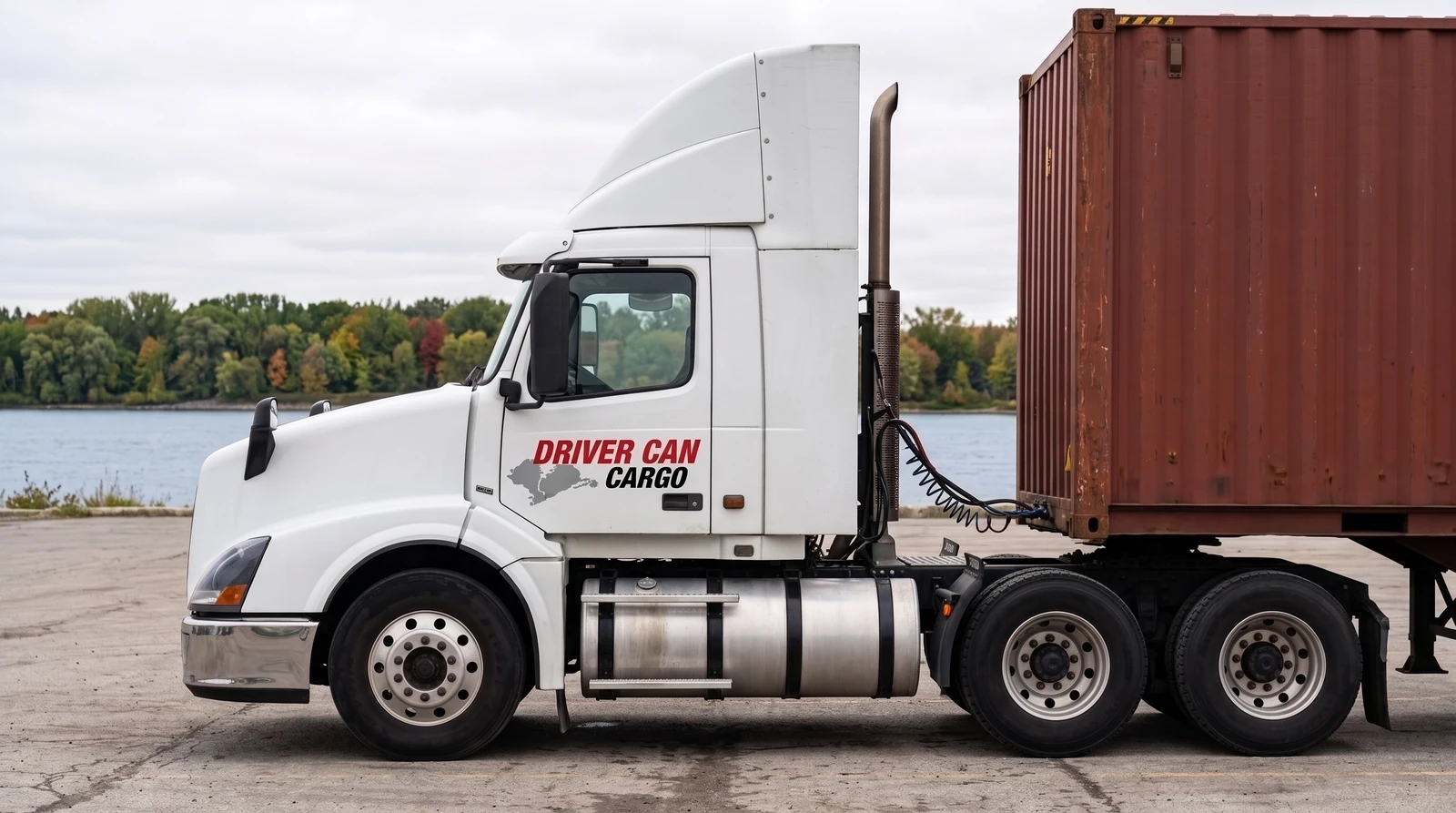
Driver Can Cargo reviews road movements of third-party 20- and 40-foot dry containers on chassis within Québec. Brokers can also submit recurring lanes and expected volume for a collaboration discussion. A detailed request supports a job-specific reply; endpoints, equipment and availability are confirmed during the review.
Plan your route
Share your addresses, dates and loading and receiving arrangements.
Start a move request →