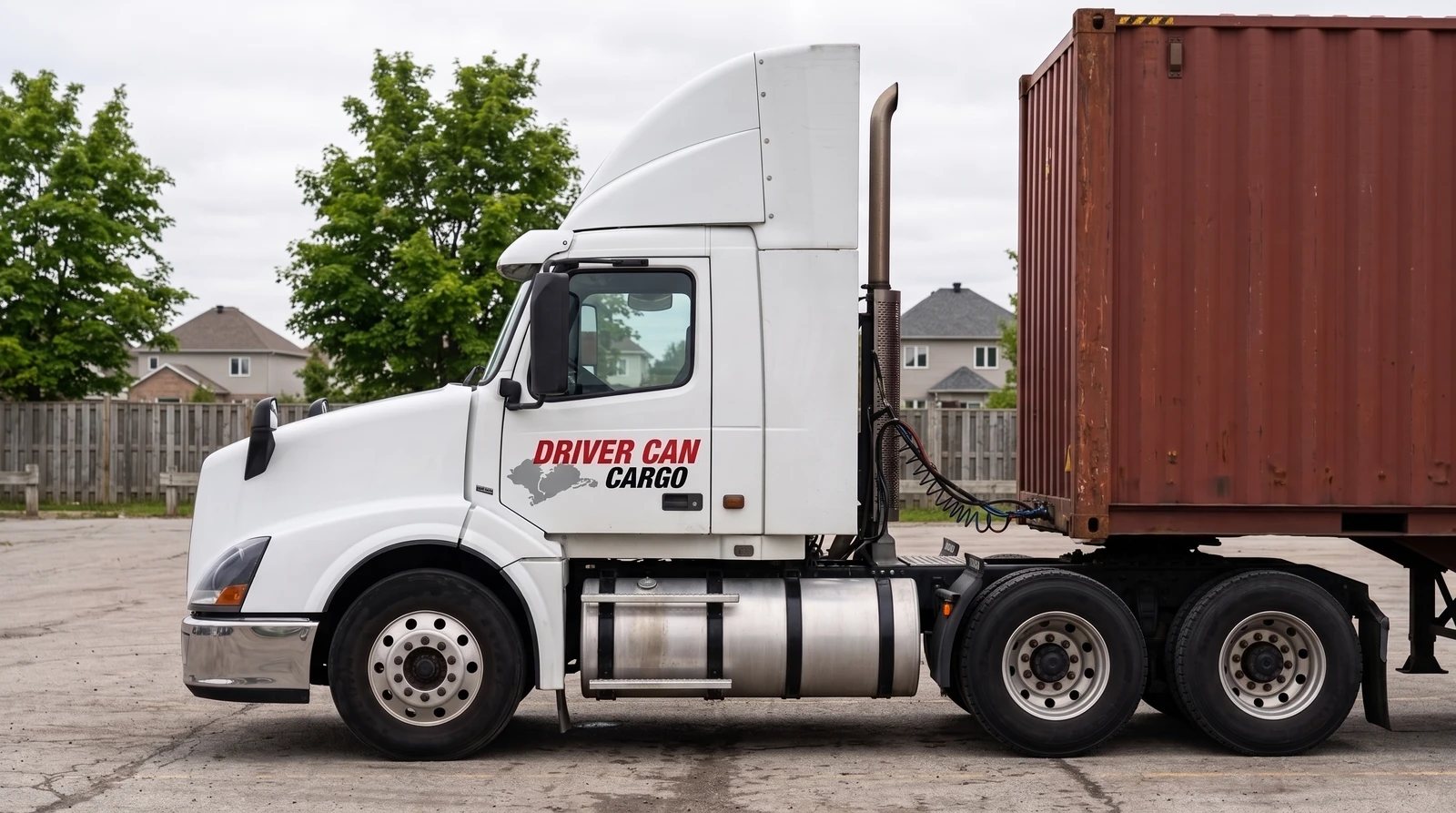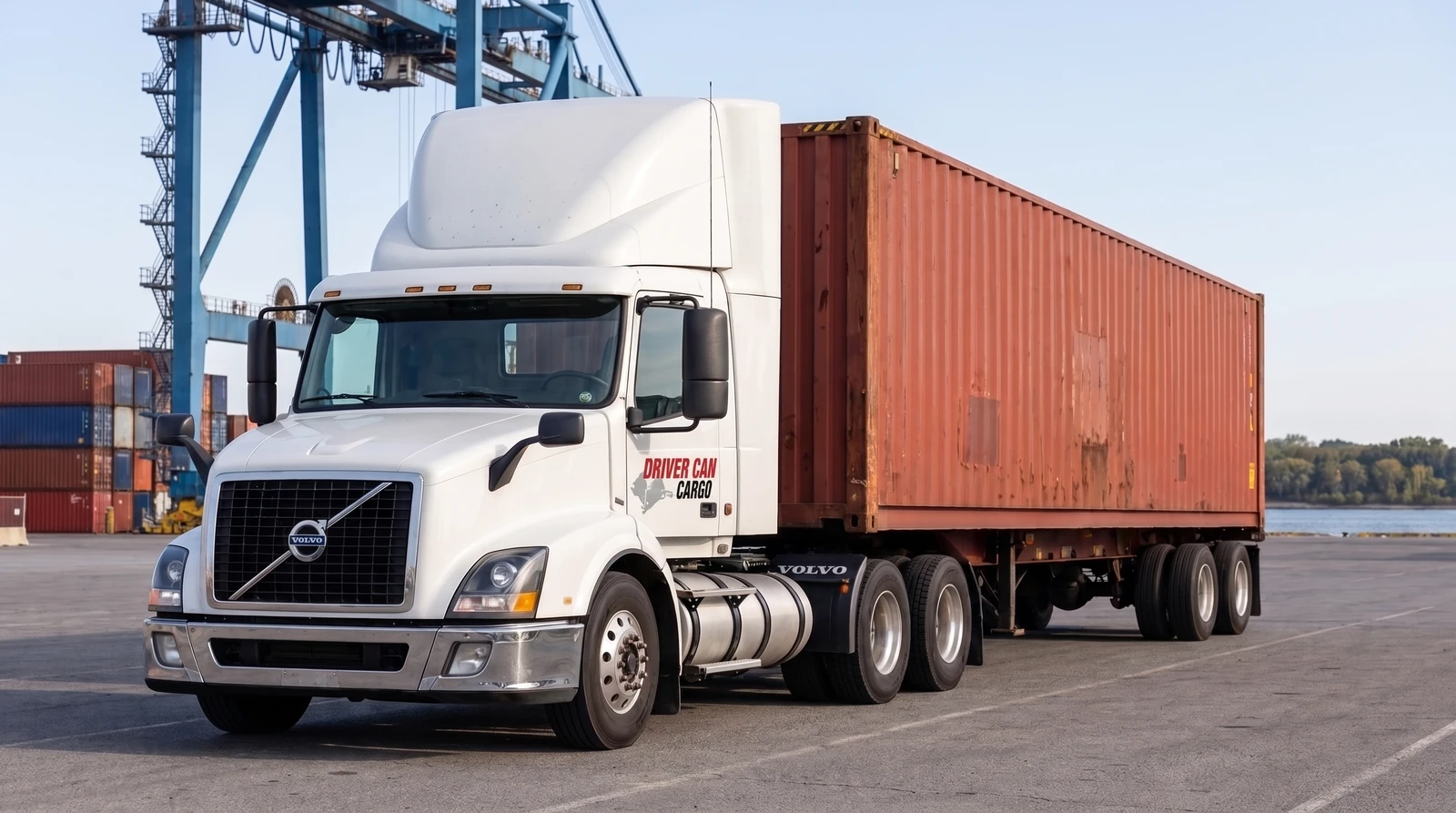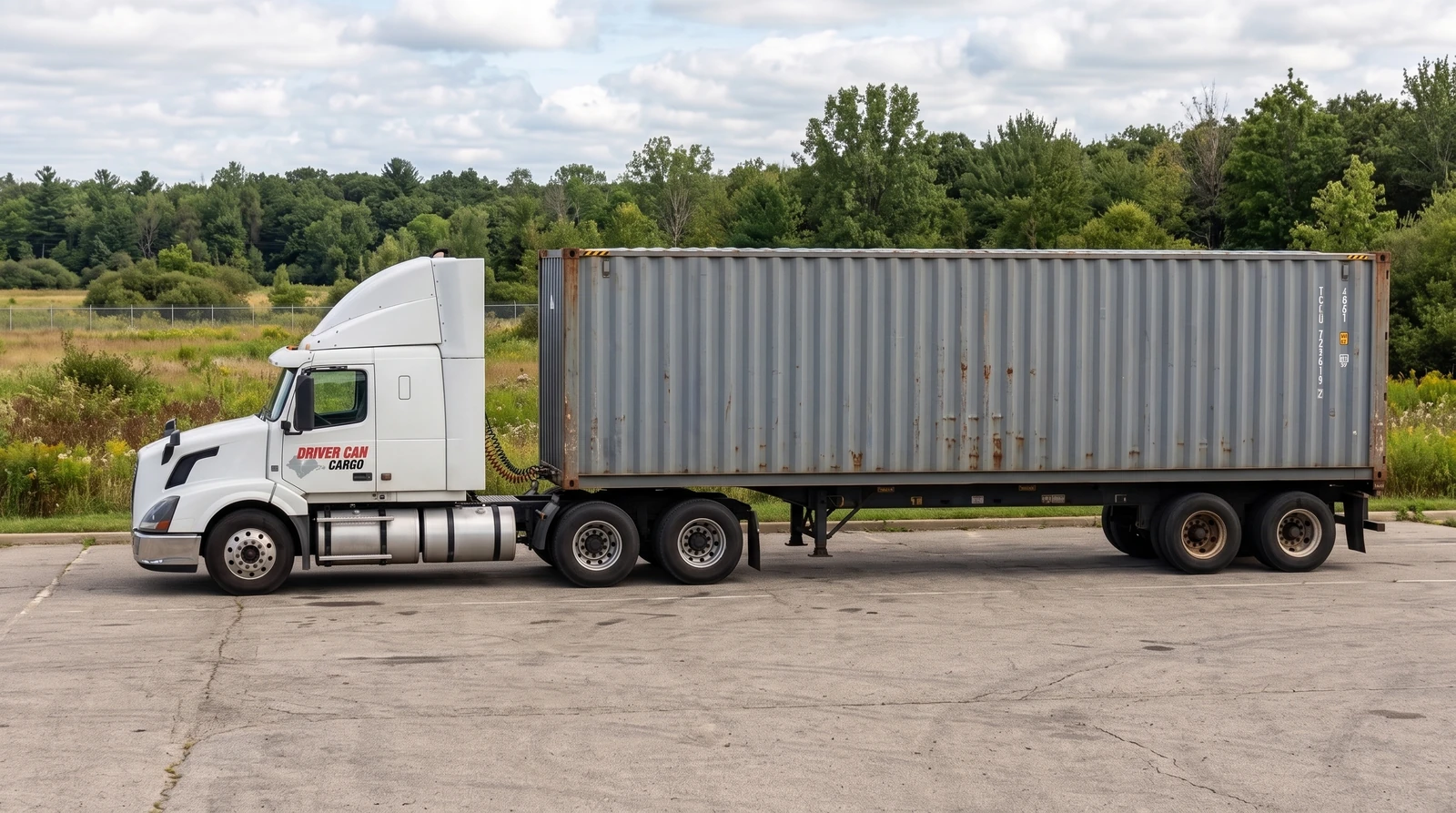
A container can consolidate furniture and boxed belongings into one road shipment, but it needs a loading plan. Begin with an inventory of large pieces and their packed dimensions. Identify items that come apart, fragile surfaces and belongings you need during the journey. Keep essentials with you rather than behind a sealed load.
Protect and group the contents
Have your loading team choose suitable wrapping, padding and restraint for the actual pieces. Separate furniture hardware into labelled bags and associate each bag with an inventory item. Photograph the prepared condition before loading. Leave handling and restraint decisions to competent people; filling every visible gap is not a substitute for a secure load.
Confirm how the container will be loaded
A container on a chassis may have a raised floor. Ask about the loading location, suitable access equipment and destination unloading before committing to a date. Ground placement, container rental and labour are separate arrangements unless expressly confirmed. Check whether both sites can accommodate the full vehicle.
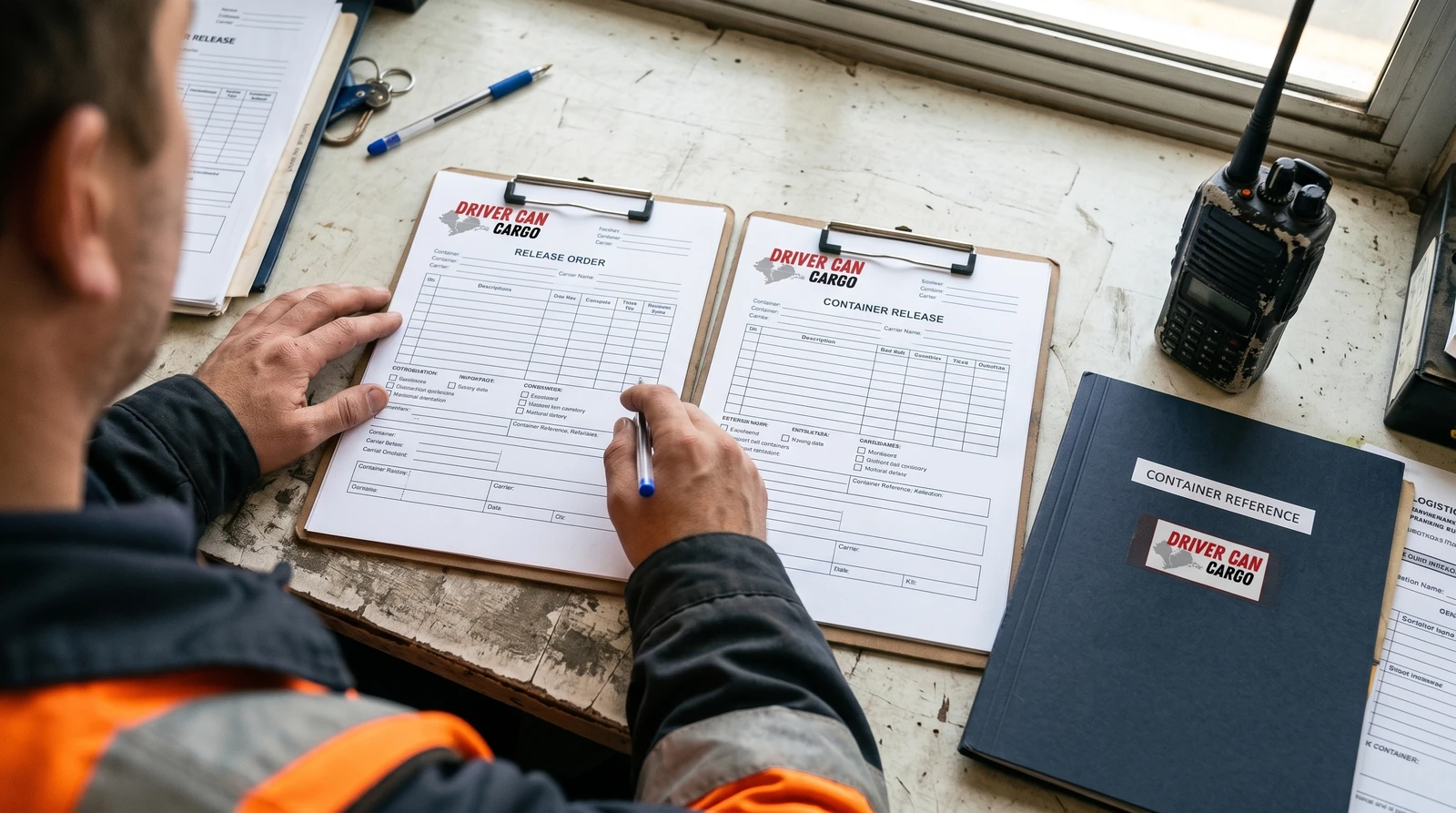
Prepare the transport request
Send both addresses, a preferred date range, container ownership details, estimated total weight and the loading/unloading plan. Mention stairs or apartment access only as context for your movers; Driver Can Cargo coordinates the container road transport around your chosen packing, loading and receiving arrangements. The team reviews the shipment and route before confirming availability.
Plan your route
Share your addresses, dates and loading and receiving arrangements.
Start a move request →